How Did Andy Warhol Make His Art
Andy Warhol is one of the most recognized names in the history of modern art, known for his unique ability to transform everyday objects and celebrities into bold visual statements. Many people wonder, how did Andy Warhol make his art? The answer lies in his innovative use of techniques, materials, and ideas that changed the way people look at popular culture. His approach combined creativity, commercial processes, and a fascination with repetition, making his work stand out in the Pop Art movement. Understanding his methods provides insight into why his art continues to inspire artists and audiences worldwide.
The Role of Pop Art in Warhol’s Career
To understand how Andy Warhol made his art, it is important to look at the rise of Pop Art. This movement celebrated everyday images from advertising, consumer goods, and mass media. Warhol embraced this cultural shift by focusing on things that people saw daily soup cans, soda bottles, movie stars, and magazine covers. By elevating these ordinary subjects into high art, he blurred the line between commercial imagery and fine art. His approach reflected society’s obsession with consumerism and fame during the mid-20th century.
Silkscreen Printing Warhol’s Signature Technique
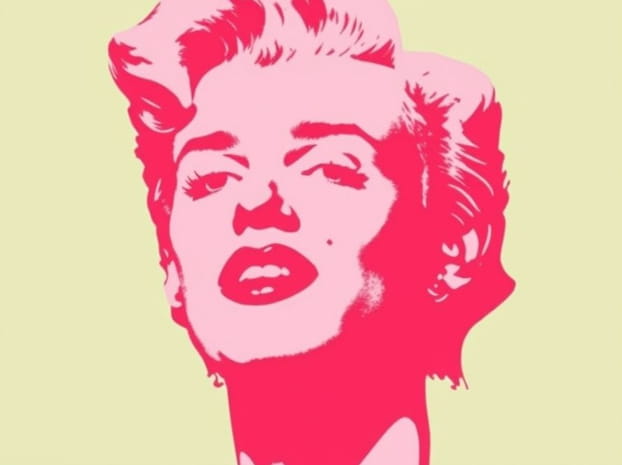
One of the most iconic methods used by Andy Warhol was silkscreen printing. This process allowed him to reproduce images multiple times with slight variations in color and detail. By doing so, Warhol could explore repetition, a theme central to his philosophy. For example, his famous Marilyn Monroe portraits were created by transferring the same photographic image onto canvas and experimenting with different color combinations.
Steps in Silkscreen Printing
-
First, Warhol would select a photograph, often from publicity shots or advertisements.
-
Next, he transferred the image onto a silk mesh screen coated with light-sensitive material.
-
When ink was pressed through the screen, the image appeared on the canvas beneath it.
-
By repeating this process, he could create multiple versions of the same image.
This method was revolutionary because it broke away from traditional painting, introducing a mechanical and commercial element into fine art. It also allowed Warhol to comment on mass production and consumer culture.
The Use of Everyday Objects
Another key aspect of Warhol’s art was his focus on ordinary consumer goods. He made famous pieces featuring Campbell’s Soup Cans, Coca-Cola bottles, and Brillo boxes. These objects were chosen deliberately, as they represented products everyone recognized and used. By turning them into art, Warhol questioned what society valued and what could be considered beautiful. His method was simple he reproduced these items as faithfully as possible, sometimes hand-painting details before later relying more heavily on silkscreen.
Portraits of Celebrities
Warhol also became known for his celebrity portraits. He painted and printed famous figures such as Marilyn Monroe, Elvis Presley, and Elizabeth Taylor. The way he made these portraits was both mechanical and personal. He started with a photo, converted it into a high-contrast image, and then applied vibrant colors in unconventional ways. The repetition of faces highlighted the idea of fame as a product that could be consumed, just like soup or soda. By using mass-production techniques, Warhol suggested that celebrities themselves were brands created for public consumption.
The Factory Warhol’s Studio
To understand how Andy Warhol made his art, one must also look at his studio, famously called The Factory. This was not just a workspace but also a cultural hub where artists, musicians, actors, and thinkers gathered. At The Factory, assistants often helped produce Warhol’s works, especially when creating large batches of silkscreens. This collaborative environment mirrored the assembly-line process of factories, again connecting art to industrial production. Warhol saw himself less as a traditional painter and more as a director overseeing a creative team.
Experimental Film and Multimedia Art
Although known mainly for his paintings and prints, Warhol also experimented with other forms of art. He made avant-garde films, such as Sleep and Empire, which reflected his interest in repetition and stillness. His film projects were made using simple equipment and often focused on long, unedited takes. He also worked on multimedia projects, combining music, light, and performance. These explorations showed that his creativity extended far beyond traditional visual art.
Influence of Commercial Art Background
Before becoming a famous artist, Warhol worked as a commercial illustrator. This background influenced how he made his art. His skills in advertising and design taught him how to grab attention with bold colors and simple, recognizable imagery. Many of his paintings and prints reflect the clean, graphic style of advertisements. He understood the power of branding and used it to shape his artistic identity. This blend of commercial and fine art was unusual at the time and became a defining characteristic of his work.
Color Choices in Warhol’s Work
Warhol’s use of color was deliberate and striking. He often used bright, unnatural colors to alter the meaning of an image. For instance, a portrait of Marilyn Monroe might feature neon pink skin and turquoise hair. These bold combinations made the familiar appear strange, forcing viewers to see the subject in a new light. Warhol applied color both by hand-painting areas and by layering inks during the silkscreen process. The results were playful yet thought-provoking, emphasizing both glamour and artificiality.
Repetition as a Statement
Repetition is central to how Andy Warhol made his art. By repeating the same image over and over, he mimicked the way products are advertised and consumed in modern society. A row of soup cans or multiple portraits of a celebrity suggested both abundance and emptiness. Repetition stripped images of their uniqueness, turning them into patterns rather than singular works. This concept was both a critique and a celebration of consumer culture.
Legacy of Warhol’s Methods
The techniques Warhol used influenced generations of artists. His embrace of commercial tools and collaborative production opened the door for contemporary art practices that blur the line between high and low culture. Street artists, digital creators, and multimedia designers continue to draw inspiration from Warhol’s methods. The question of how did Andy Warhol make his art is not just historical it is ongoing, as his techniques continue to shape art today.
Andy Warhol made his art by combining commercial techniques, everyday subjects, and bold creativity. Through silkscreen printing, he reproduced images with variations in color, creating iconic works like the Marilyn Monroe series and Campbell’s Soup Cans. His studio, The Factory, functioned like an assembly line, emphasizing mass production. He also explored celebrity culture, consumer goods, and experimental film, making his influence broad and lasting. By taking familiar objects and transforming them into art, Warhol redefined what could be considered artistic and meaningful. His methods continue to inspire people to look at the ordinary in extraordinary ways.