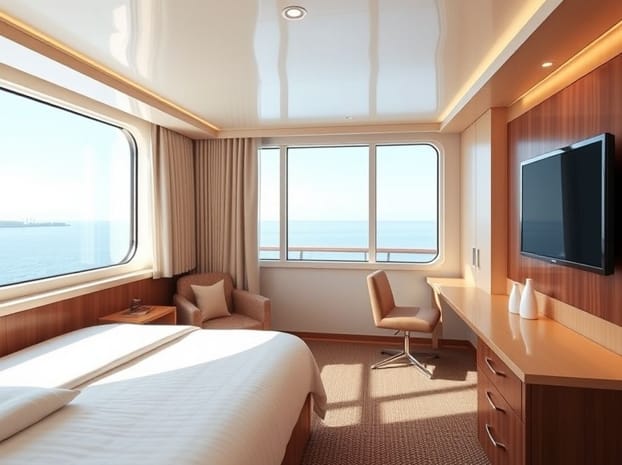
How Big Is A Stateroom On A Cruise Ship
When planning a cruise vacation, one of the most important considerations is the size and comfort of your stateroom. A stateroom on a cruise ship serves as your private space for sleeping, relaxing, and storing belongings, and its dimensions can vary widely depending on the type of cabin and the cruise line. Understanding how big a stateroom is, the different categories available, and what to expect in terms of space can help travelers make informed decisions, ensure a comfortable stay, and optimize their overall cruise experience. The size of a stateroom can affect everything from personal comfort to mobility and storage options.
Understanding Cruise Ship Staterooms
Staterooms are the basic passenger accommodations on a cruise ship. They come in different sizes and styles, each designed to meet the needs of various travelers. Staterooms are generally classified based on location, amenities, and whether they include a window or balcony. The size of a stateroom typically depends on its category and the cruise line’s design standards.
Standard Inside Staterooms
Inside staterooms are usually the most affordable option and are located in the interior sections of the ship. They do not have windows or balconies, which can make them feel smaller but often more cozy and private. The average size of an inside stateroom ranges from 150 to 200 square feet (approximately 14 to 19 square meters). These rooms generally include two beds that can be converted into a queen-size bed, a small bathroom, and basic storage areas. Despite their compact size, modern inside staterooms are designed efficiently to maximize comfort for short to medium-length cruises.
Oceanview Staterooms
Oceanview staterooms offer a window or porthole to the outside, providing natural light and views of the sea. These staterooms are slightly larger than inside cabins, typically ranging from 180 to 220 square feet (approximately 17 to 20 square meters). The additional space can make a noticeable difference in comfort, allowing for a small sitting area, better storage options, and more room for movement. Some oceanview staterooms have obstructed views depending on the ship’s design, so it is important to check the cabin location when booking.
Balcony Staterooms
Balcony staterooms are a popular choice for travelers who enjoy private outdoor space. These staterooms range from 200 to 300 square feet (approximately 19 to 28 square meters), with the balcony adding 30 to 60 square feet (3 to 6 square meters) of additional space. Balconies allow passengers to enjoy fresh air and scenic views, enhancing the overall cruise experience. Inside, these rooms usually include a sitting area, a larger bathroom, and improved storage, making them ideal for longer cruises or travelers who value extra space.
Suites and Specialty Staterooms
For those seeking luxury and ample space, suites and specialty staterooms offer significant upgrades. Suite sizes can range from 300 to 1,200 square feet (28 to 111 square meters), depending on the cruise line and ship. Suites often feature separate living and sleeping areas, larger bathrooms with showers or bathtubs, multiple balconies, and premium amenities such as priority boarding, dedicated concierge service, and exclusive access to certain areas of the ship. Some specialty suites, such as penthouse or family suites, are designed for groups or families and provide multiple bedrooms and bathrooms to accommodate several passengers comfortably.
Factors Affecting Stateroom Size
Several factors influence the size of a stateroom on a cruise ship. Understanding these can help travelers choose a cabin that meets their comfort and budget requirements.
Cruise Line and Ship Design
Each cruise line has its own design philosophy and standard for stateroom sizes. Luxury cruise lines often offer more spacious cabins, while budget or mass-market cruise lines focus on maximizing the number of rooms, sometimes resulting in smaller accommodations. Newer ships may also feature more efficiently designed staterooms with innovative layouts that make compact spaces feel larger and more functional.
Cabin Location
The location of a stateroom on the ship can also impact its size. For example, forward or aft cabins may have slightly different shapes or dimensions due to the ship’s structure. Higher deck levels often include larger or more luxurious staterooms, while lower decks may have standard-sized cabins. Additionally, corner or obstructed-view staterooms can differ in layout, sometimes providing additional space in unconventional areas.
Number of Occupants
The intended occupancy of a stateroom affects its layout and amenities. Staterooms designed for singles or couples may prioritize comfort and storage, while cabins for families include bunk beds, sofa beds, or pull-down beds to accommodate children. Family-friendly staterooms often provide slightly more square footage and flexible seating arrangements to ensure adequate space for all occupants.
Maximizing Comfort in a Small Stateroom
Even in compact staterooms, passengers can optimize comfort and usability through careful planning and organization. Here are some tips to make the most of limited space
Efficient Packing
Travelers should pack light and use luggage that fits under the bed or in designated storage areas. Rolling clothes instead of folding can save space, and packing cubes help keep items organized.
Utilizing Storage Options
Most staterooms include closets, drawers, and shelves. Using these efficiently, along with hooks or over-the-door organizers, can maximize available space. Keep frequently used items accessible while storing less-used items neatly.
Maintaining a Clutter-Free Environment
Regularly tidying up the stateroom helps maintain a comfortable and functional space. Avoid leaving personal items scattered, and return items to their designated storage areas after use.
The size of a stateroom on a cruise ship can vary widely depending on the cabin type, cruise line, ship design, and intended occupancy. Inside staterooms typically range from 150 to 200 square feet, oceanview rooms from 180 to 220 square feet, and balcony staterooms from 200 to 300 square feet, with suites offering 300 to over 1,200 square feet of space. Understanding these differences helps travelers select accommodations that meet their comfort and budget needs. By planning effectively, using storage efficiently, and choosing the right stateroom type, passengers can enjoy a pleasant and comfortable cruise experience regardless of cabin size. Knowledge of stateroom dimensions and layouts ensures that travelers can make informed decisions and maximize their enjoyment while sailing.