How Big Is A Polecat
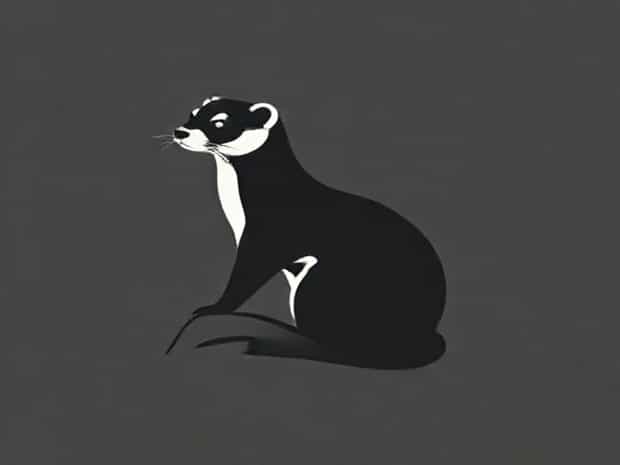
When people hear the word polecat, they often imagine a mysterious animal with a wild appearance and curious habits. Native to parts of Europe and closely related to ferrets, polecats have fascinated naturalists and animal lovers for centuries. One of the most common questions people ask about this animal is how big is a polecat? The size of the polecat is not only important for understanding its place in the animal kingdom but also for appreciating how it survives in the wild. By examining their average length, weight, and physical features, we can gain a better idea of just how large these intriguing mammals truly are.
General Size of a Polecat
Polecats are medium-sized carnivorous mammals, belonging to the Mustelidae family, which also includes weasels, ferrets, stoats, and otters. Their size can vary slightly depending on the region where they are found, as well as their diet and environment. On average, polecats measure between 14 and 18 inches in body length, with an additional tail length of about 5 to 7 inches. This makes them similar in size to domesticated ferrets, although wild polecats tend to be more robust in build.
When it comes to weight, most adult polecats range from 1.5 to 3 pounds. Males are generally larger and heavier than females, which is a common trait among members of the mustelid family. Despite their relatively small stature compared to larger carnivores, polecats are strong, agile, and perfectly suited for hunting small prey in their natural habitats.
Comparing Males and Females
Like many animals, polecats display sexual dimorphism, meaning there are visible differences in size between males and females. Male polecats can reach the higher end of the size range, often measuring closer to 18 inches in length and weighing up to 3 pounds. Females, on the other hand, are generally smaller, averaging around 14 to 16 inches in body length and weighing closer to 1.5 or 2 pounds.
This difference in size not only affects their overall appearance but can also play a role in their hunting strategies and energy needs. Male polecats may be able to take down slightly larger prey due to their size advantage, while females remain just as efficient in hunting smaller animals like rodents and birds.
Physical Features That Add to Their Size
Although polecats may not be very large compared to other predators, their physical features give them a powerful presence. They have long, slender bodies that allow them to move easily through burrows, forests, and fields. Their muscular build makes them excellent hunters, while their sharp teeth and claws are perfectly adapted for gripping prey.
- Body LengthBetween 14 and 18 inches, depending on sex and region.
- Tail LengthTypically 5 to 7 inches, adding balance and mobility.
- WeightFrom 1.5 to 3 pounds, with males being heavier.
- BuildSlender but muscular, designed for speed and agility.
How Big is a Polecat Compared to Other Animals?
To better understand the size of a polecat, it helps to compare it with other animals. A polecat is larger than a weasel but smaller than an otter. They are about the same size as a domesticated ferret, though polecats tend to appear bulkier and more rugged due to their wild nature.
Compared to common household pets, polecats are smaller than most cats and medium-sized dogs. However, their sharp instincts, hunting skills, and muscular bodies make them formidable predators within their own ecological niche. In the wild, their size is perfectly balanced for stealth, speed, and survival.
The Role of Size in Survival
The size of a polecat plays an essential role in its ability to thrive in different environments. Being small enough to slip through burrows and tight spaces allows them to pursue prey that larger predators cannot access. At the same time, being large enough to overpower rodents, amphibians, and small birds gives them a steady food supply.
Hunting Advantages
Polecats use their long bodies to move swiftly and quietly through dense vegetation. Their medium size allows them to remain hidden from larger predators while still being strong enough to take down prey effectively. Their size also helps them conserve energy, which is crucial in the wild.
A Balance Between Predator and Prey
Because polecats are not very large, they do face threats from bigger predators such as foxes and birds of prey. Their moderate size, however, allows them to escape danger quickly and find shelter in areas that larger animals cannot reach.
Regional Variations in Size
While the general size of a polecat remains consistent, slight variations can occur depending on their habitat. Polecats living in areas with plentiful food sources may grow larger, while those in more challenging environments may remain on the smaller side. This adaptability demonstrates how well polecats can adjust to changing conditions.
In some regions, polecats have also interbred with domesticated ferrets, producing hybrids that may differ in size. These ferret-polecat hybrids often display characteristics of both species, including variations in weight and length.
Misconceptions About Polecat Size
Because of their name, some people mistakenly believe polecats are similar in size to cats. In reality, polecats are significantly smaller. Their name comes from old European terms that referred to their appearance and habits, not their size. The confusion often arises because polecats have a bold, striking appearance that makes them seem larger than they are.
Another common misconception is that polecats are dangerous to humans due to their size. While they are capable hunters, polecats pose no significant threat to people. Their size makes them more interested in small prey than in confronting larger animals or humans.
Importance of Understanding Polecat Size
Knowing how big a polecat is can help people appreciate these fascinating creatures in the right context. Whether observed in the wild or studied by biologists, their size is one of the keys to understanding their behavior, diet, and ecological role. For wildlife enthusiasts, recognizing their modest yet effective size helps highlight why polecats are such successful survivors in their habitats.
So, how big is a polecat? The answer lies in its balance between strength, agility, and adaptability. With an average body length of 14 to 18 inches, a tail of 5 to 7 inches, and a weight ranging from 1.5 to 3 pounds, the polecat is a medium-sized mustelid perfectly suited to its lifestyle. While not as large as otters or as small as weasels, the polecat occupies a unique place in the animal kingdom. Its size allows it to be an efficient predator while remaining elusive from larger threats. Understanding the dimensions of a polecat not only satisfies curiosity but also deepens our appreciation for this remarkable animal and its role in the natural world.