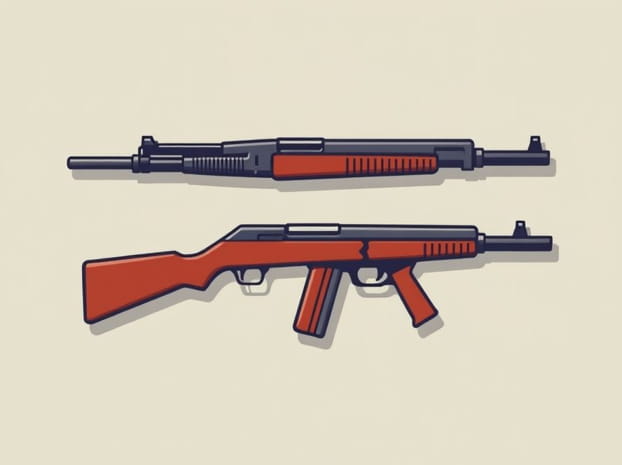
How Are Shotguns Classified
Shotguns are one of the most versatile firearms used in hunting, sport shooting, and home defense. They are designed to fire a wide range of ammunition types, from birdshot to slugs, making them effective for different purposes. Understanding how shotguns are classified is essential for enthusiasts, hunters, law enforcement, and regulators alike. Classification impacts legal regulations, safety standards, and appropriate usage in various settings. This topic explores the main ways shotguns are categorized, including by action type, gauge, barrel configuration, and intended use, offering a comprehensive guide for anyone interested in firearms.
Classification by Action Type
The action type of a shotgun refers to the mechanism used to load, fire, and eject shells. This is one of the primary ways shotguns are classified, as it affects the speed of fire, ease of use, and reliability. The most common types include
Pump-Action Shotguns
Pump-action shotguns require the shooter to manually slide a fore-end back and forth to eject a spent shell and chamber a new one. This design is popular for home defense and hunting due to its reliability and simplicity. Pump-action shotguns are often used by law enforcement because they can handle a variety of ammunition and are less prone to jamming.
Semi-Automatic Shotguns
Semi-automatic shotguns automatically chamber the next round after firing, allowing for faster follow-up shots. These shotguns use the energy from the fired shell, either gas or recoil-operated, to cycle the action. They are commonly used in sport shooting, such as clay target competitions, as well as for hunting larger game where quick successive shots may be needed.
Break-Action Shotguns
Break-action shotguns, including single-barrel and double-barrel variants, open at the breech to load shells manually. Double-barrel shotguns can be side-by-side or over-and-under configurations. These shotguns are favored in sporting and hunting scenarios due to their simplicity, durability, and accuracy for the first shot. They are less suited for rapid-fire situations compared to pump or semi-automatic models.
Lever-Action and Bolt-Action Shotguns
Less common in modern use, lever-action and bolt-action shotguns are manually operated and often appreciated by collectors or for specialized hunting. Bolt-action shotguns provide precision and reliability, while lever-action models offer a traditional design reminiscent of older firearm technology.
Classification by Gauge
Shotguns are also classified by gauge, which refers to the diameter of the barrel and consequently the size of the shell it fires. The gauge system is somewhat counterintuitive a smaller gauge number corresponds to a larger barrel diameter. Common gauges include
- 12 GaugeThe most popular and versatile shotgun size, suitable for hunting, sport, and defense.
- 20 GaugeSlightly smaller than 12 gauge, offering less recoil and often preferred by younger or smaller-framed shooters.
- 16, 28, and.410 BoreLess common, used for specific hunting purposes or as beginner-friendly options due to lighter recoil.
Gauge affects both the power and range of the shotgun, influencing what type of game can be hunted or how the firearm is utilized in sporting contexts.
Classification by Barrel Configuration
The barrel design of a shotgun impacts its performance, spread pattern, and suitability for different shooting activities. Shotguns can have
Single Barrel
Single-barrel shotguns are straightforward and easy to maintain. They are commonly used for general hunting or home defense and can accommodate various chokes to modify the spread of shot.
Double Barrel
Double-barrel shotguns feature two parallel barrels, which can be side-by-side or over-and-under. Side-by-side models provide a wider sighting plane, while over-and-under shotguns are popular in sporting clays and competitive shooting due to their precision and balance.
Drilling and Combination Guns
Combination guns, often called drillings, integrate shotgun barrels with rifle barrels, allowing for both shot and bullet use. These firearms are specialized tools for hunters who may encounter both small game and larger animals in a single outing.
Classification by Intended Use
Shotguns are also categorized based on their intended application. This classification helps determine the appropriate features, ammunition, and barrel length for specific purposes
- Hunting ShotgunsDesigned for game hunting, with attention to weight, balance, and barrel length to accommodate various environments.
- Sporting ShotgunsOptimized for clay target sports, trap, skeet, and sporting clays. Features may include adjustable stocks, extended chokes, and lightweight materials.
- Home Defense ShotgunsFocused on reliability and maneuverability. Shorter barrels, tactical stocks, and ease of use are common characteristics.
- Law Enforcement and Military ShotgunsBuilt for durability and high-capacity use, often equipped with extended magazines, tactical sights, and specialized ammunition.
Additional Factors in Classification
Besides action type, gauge, barrel configuration, and intended use, other factors also play a role in classifying shotguns. These include
- Choke TypeInternal constrictions at the muzzle that control shot spread. Chokes can be fixed or interchangeable.
- Magazine CapacityDetermines how many shells can be loaded, affecting suitability for hunting, sport, or defense.
- Stock DesignThe shape, material, and adjustability of the stock can influence comfort, accuracy, and recoil management.
- Material and FinishStainless steel, blued steel, synthetic stocks, and camouflage finishes are used for corrosion resistance, aesthetics, and practicality.
Legal Classifications
In addition to physical characteristics, shotguns are often classified under legal frameworks that vary by country or region. Legal classifications may define minimum barrel lengths, maximum magazine capacities, and types of permitted ammunition. Understanding these regulations is crucial for lawful ownership and usage.
Shotguns are classified through multiple frameworks that include action type, gauge, barrel configuration, intended use, and additional factors such as chokes, stock design, and legal considerations. Pump-action, semi-automatic, and break-action shotguns represent the primary action types, each with advantages depending on the scenario. Gauge determines power and recoil, while barrel configuration influences accuracy, spread, and overall handling. Intended use, whether hunting, sport, home defense, or law enforcement, further refines classification. Together, these factors provide a comprehensive understanding of how shotguns are categorized, enabling enthusiasts, professionals, and regulators to select, utilize, and manage these versatile firearms effectively.