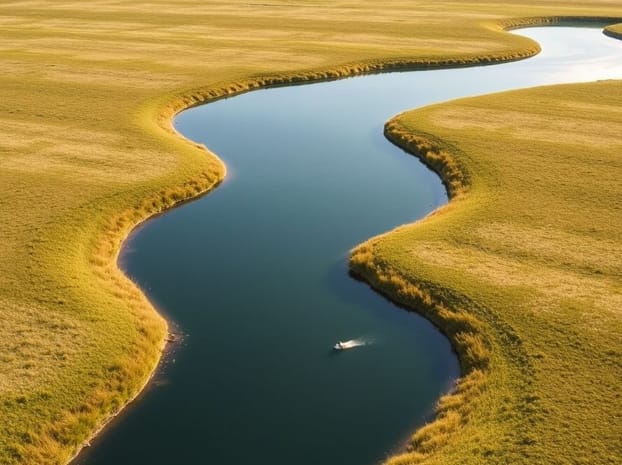
How Are Oxbow Lakes Formed Class 7
Oxbow lakes are fascinating natural features that demonstrate the dynamic processes of rivers and the landscapes they shape. These lakes are crescent-shaped and often form in the floodplains of meandering rivers. Understanding how oxbow lakes are formed helps students and enthusiasts grasp concepts of erosion, deposition, and river dynamics, which are important topics in Class 7 geography. The formation of oxbow lakes illustrates how natural forces gradually alter river courses, create unique habitats, and influence surrounding ecosystems. By studying these lakes, one can appreciate the continuous interaction between water flow, sediment transport, and landforms.
What is an Oxbow Lake?
An oxbow lake is a U-shaped body of water that forms when a wide meander from a river is cut off, creating a free-standing lake. These lakes are usually found in the lower courses of rivers where the gradient is gentle, allowing the river to meander significantly. Oxbow lakes are temporary in geological terms and may gradually fill with sediment, becoming marshes or meadows over time. They provide important habitats for wildlife, contribute to local biodiversity, and are key indicators of river processes.
Characteristics of Oxbow Lakes
- Crescent or U-shaped, reflecting the former path of the river.
- Located in the floodplain of rivers with gentle gradients.
- Shallow and often rich in nutrients, supporting diverse flora and fauna.
- Isolated from the main river, forming independent water bodies.
Formation Process of Oxbow Lakes
The formation of an oxbow lake involves several stages that demonstrate river dynamics, including erosion, deposition, and the eventual cutoff of a meander. Each stage contributes to the distinctive shape and characteristics of the lake.
Stage 1 Meandering of the River
Rivers naturally meander, especially in their lower courses where the slope is gentle. Meanders are curves or bends in the river created by the flow of water eroding the outer banks and depositing sediment on the inner banks. The continuous erosion and deposition make the bends more pronounced over time. Water moves faster on the outer side of the bend, causing erosion, and slower on the inner side, causing deposition, gradually exaggerating the curve.
Stage 2 Narrowing of the Neck
As erosion continues on the outer banks of the meander, the neck of the bend the narrow strip of land between the two closest parts of the river becomes increasingly narrow. Deposition on the inner banks may also contribute to bringing the bends closer together. This stage is critical as it sets the stage for the river to eventually break through the neck during high flow events.
Stage 3 Cutoff Formation
During periods of flooding or strong river flow, the river may take a shorter and straighter path, breaking through the narrow neck. This process is known as a cutoff. Once the river flows through the new, straighter channel, the original meander is isolated from the main flow of water. The cutoff process can happen suddenly during floods or gradually through continuous erosion and sediment deposition.
Stage 4 Formation of the Oxbow Lake
After the cutoff, the abandoned meander forms an oxbow lake. The ends of the lake are sealed off by deposition of sediment, fully isolating it from the river. Over time, oxbow lakes may shrink due to sediment accumulation and evaporation, eventually turning into marshes or dry land. These lakes are typically rich in nutrients, making them ideal habitats for aquatic plants, fish, and birds.
Factors Influencing Oxbow Lake Formation
Several factors affect how and where oxbow lakes are formed. These include the river’s velocity, sediment load, the gradient of the river, and the frequency of flooding events. Understanding these factors helps explain the variability in the size, shape, and lifespan of oxbow lakes.
River Velocity
Higher water velocities increase the rate of erosion on the outer banks of meanders, promoting the formation of pronounced bends. Slow-moving rivers with fine sediment are more likely to form oxbow lakes as deposition occurs more easily on the inner banks.
Flooding Frequency
Frequent floods can accelerate the cutoff process by enabling the river to breach the narrow neck of a meander. Rivers in flood-prone areas are therefore more likely to create oxbow lakes compared to those with stable flows.
Soil and Sediment Type
Rivers flowing over easily erodible soil, such as clay or sand, are more prone to forming oxbow lakes. Hard, rocky substrates slow down erosion, reducing the likelihood of meander cutoffs.
Examples of Oxbow Lakes Around the World
Oxbow lakes can be found in many regions globally, illustrating how common this river phenomenon is. Examples include
- Lake Chicot, USAFormed from the Mississippi River, this oxbow lake is one of the largest in the United States.
- Uluabat Lake, TurkeyCreated by the meandering of the MustafakemalpaÅa River.
- Tonlé Sap, CambodiaIncludes oxbow lakes formed by the seasonal meandering of the Mekong River.
Educational Importance for Class 7 Students
For Class 7 students, studying oxbow lakes provides a practical example of river processes, including erosion, deposition, and meander dynamics. It helps students visualize how rivers change over time and the resulting impact on the landscape. Learning about oxbow lakes also introduces students to concepts of physical geography, hydrology, and ecology, making it a comprehensive topic for understanding natural processes in an engaging way.
Key Learning Points
- Rivers continuously reshape their course through erosion and deposition.
- Oxbow lakes are formed when a meander is cut off from the main river.
- The formation process involves meandering, neck narrowing, cutoff, and isolation.
- Oxbow lakes are ecologically significant, providing habitats for various species.
Oxbow lakes are an excellent example of how natural forces continually shape the Earth’s surface. Formed through the processes of meandering, erosion, deposition, and river cutoffs, these lakes provide insight into the dynamic behavior of rivers. They illustrate the interplay between water flow, sediment movement, and landscape formation. For Class 7 students, understanding how oxbow lakes are formed is a key part of learning about physical geography and river systems. These lakes not only serve as natural laboratories for studying geological and ecological processes but also enhance our appreciation of the complexity and beauty of riverine landscapes. By studying oxbow lakes, students can better understand the power of rivers to transform the land over time and the significance of preserving these unique water bodies for ecological balance and educational value.