Hot Water Circulation Pump
A hot water circulation pump is an essential component in modern plumbing and heating systems, designed to provide instant hot water to taps, showers, and appliances throughout a building. By continuously circulating hot water through the pipes, this pump reduces the wait time for hot water, increases energy efficiency, and improves overall comfort in residential, commercial, and industrial settings. The technology behind hot water circulation pumps has evolved significantly, offering a range of models that cater to different installation needs, flow rates, and energy-saving requirements. Understanding how these pumps operate and their benefits can help homeowners, facility managers, and engineers make informed decisions for optimizing hot water systems.
How Hot Water Circulation Pumps Work
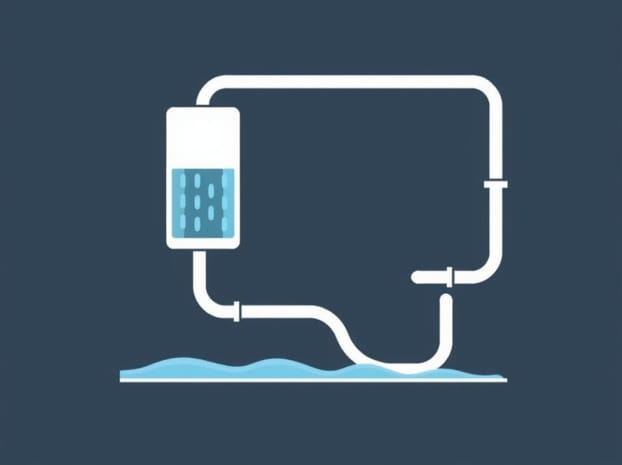
Hot water circulation pumps operate by creating a loop in which hot water from the water heater or boiler is constantly circulated through the piping system. This loop ensures that hot water is always near faucets and appliances, minimizing the delay typically experienced when waiting for hot water to reach the tap. The pump is usually installed near the water heater, and in some systems, a dedicated return line is used to bring unused hot water back to the heater. In other designs, a comfort system uses the cold water line as a return path. The pump may operate continuously, on a timer, or with a temperature sensor to optimize energy use.
Key Components
- Pump motorDrives the circulation of hot water through the system.
- Check valvesPrevent backflow and ensure proper water movement.
- Timer or control unitAllows scheduling or automated operation.
- Temperature sensorMonitors water temperature and activates the pump as needed.
- Loop pipingConnects the water heater to faucets and return lines.
Types of Hot Water Circulation Pumps
There are several types of hot water circulation pumps available, each designed to meet specific needs. Continuous circulation pumps run constantly, ensuring immediate hot water but consuming more energy. Timer-controlled pumps operate during peak usage times, balancing convenience with energy efficiency. Demand-controlled pumps use sensors or user-activated switches to circulate water only when hot water is needed, providing significant energy savings. Some advanced systems integrate smart home technology, allowing remote control and monitoring of hot water usage patterns.
Common Pump Types
- Continuous circulation pumps for constant hot water availability.
- Timer-controlled pumps for scheduled operation and energy efficiency.
- Demand-controlled pumps that activate when water is required.
- Smart pumps with connectivity for monitoring and remote control.
Benefits of Hot Water Circulation Pumps
Installing a hot water circulation pump offers multiple advantages, improving comfort, efficiency, and water conservation. One of the primary benefits is the reduction in wait time for hot water, which enhances daily convenience for showers, handwashing, and kitchen use. Additionally, less water is wasted while waiting for it to heat up, contributing to environmental sustainability and lower utility bills. Circulation pumps can also help maintain consistent water temperature throughout the building, preventing temperature fluctuations that can be uncomfortable or inefficient.
Main Advantages
- Immediate access to hot water at faucets and appliances.
- Reduced water waste, leading to lower water bills.
- Energy savings with demand or timer-controlled operation.
- Improved comfort and consistent water temperature.
- Enhanced efficiency of water heating systems by reducing standby heat loss.
Applications and Use Cases
Hot water circulation pumps are widely used in residential, commercial, and industrial settings. In homes, they are especially beneficial in larger properties or multi-story buildings where hot water has to travel long distances. Hotels, hospitals, and office buildings benefit from reduced wait times and improved water system efficiency. In industrial environments, circulation pumps help maintain steady hot water supply for processes such as cleaning, sanitation, and manufacturing. These pumps can also be integrated into solar water heating or heat pump systems to maximize efficiency and convenience.
Common Applications
- Residential homes, particularly multi-story or large properties.
- Hotels, resorts, and hospitality facilities for guest comfort.
- Hospitals, clinics, and healthcare facilities for sanitation and efficiency.
- Office buildings and commercial properties for employee convenience.
- Industrial settings requiring consistent hot water for processes.
Installation and Maintenance
Proper installation of a hot water circulation pump is critical to its performance and longevity. Pumps should be installed close to the water heater with appropriate check valves and piping configuration. Demand or timer-controlled pumps require integration with control systems or temperature sensors. Regular maintenance includes cleaning the pump, checking valves, and monitoring for unusual noises or leaks. Periodic inspection ensures that the pump operates efficiently and prolongs its lifespan. Homeowners or facility managers should consult a licensed plumber or professional installer to ensure compliance with local codes and optimal system performance.
Maintenance Tips
- Inspect and clean the pump and associated valves regularly.
- Check for leaks in the piping and pump housing.
- Monitor performance and listen for unusual noises that may indicate wear.
- Ensure sensors and timers are functioning correctly.
- Schedule professional servicing periodically for system longevity.
Energy Efficiency and Environmental Impact
Hot water circulation pumps can significantly contribute to energy efficiency and water conservation. By reducing the need to run taps while waiting for hot water, they lower water consumption and associated energy costs for heating. Demand-controlled pumps further optimize energy use by circulating water only when needed. Integrating these pumps with modern, high-efficiency water heaters or renewable energy sources can enhance overall sustainability. Environmentally conscious homeowners and businesses benefit from the reduced carbon footprint and improved resource management offered by well-designed circulation pump systems.
Energy-Saving Strategies
- Use demand-controlled pumps to minimize unnecessary circulation.
- Integrate with timers or smart home systems to match peak usage periods.
- Pair with energy-efficient water heaters for optimal performance.
- Insulate hot water pipes to reduce heat loss.
- Monitor water and energy usage to identify further efficiency improvements.
Hot water circulation pumps are an effective solution for enhancing comfort, efficiency, and sustainability in modern plumbing systems. By providing instant hot water, reducing waste, and maintaining consistent temperatures, these pumps improve daily life in residential, commercial, and industrial settings. Advances in demand-controlled and smart circulation pumps offer additional energy savings and convenience, making them a valuable investment for any building. Proper installation, regular maintenance, and strategic use can maximize their benefits, ensuring a reliable, efficient, and environmentally friendly hot water system for years to come.