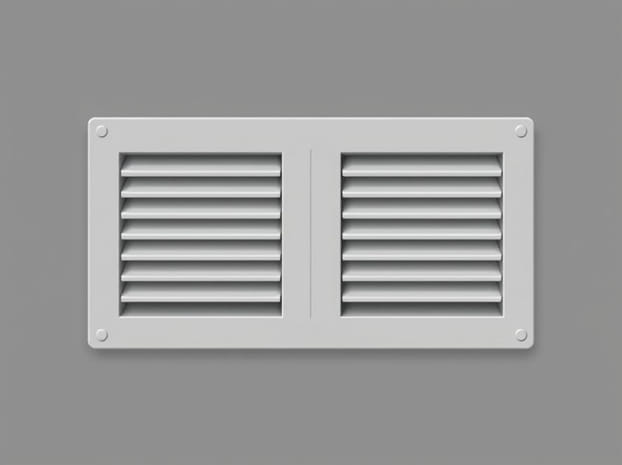
Horizontal Louver In Ac
Horizontal louvers in air conditioning systems are an essential component for controlling the flow and direction of air within a room. They are widely used in both residential and commercial HVAC systems to enhance comfort, improve energy efficiency, and maintain consistent indoor air quality. Unlike fixed vents, horizontal louvers are adjustable, allowing users to direct cool or warm air exactly where it is needed. Their design not only improves airflow distribution but also reduces drafts and minimizes hotspots, making them an integral part of modern air conditioning setups.
Understanding Horizontal Louvers
Horizontal louvers are slatted panels installed in air conditioning vents that can be tilted up or down to control the direction of airflow. They are typically made of materials such as aluminum, plastic, or steel, providing durability and resistance to wear over time. In central air conditioning systems, these louvers are often part of the main supply diffusers or individual room registers, giving users the flexibility to manage air distribution in specific zones.
Components and Structure
The basic structure of a horizontal louver consists of multiple parallel slats connected by a frame. Each slat can pivot on its axis, enabling adjustment of the air angle. Some advanced models come with motorized controls, allowing integration with smart home systems. These components work together to
- Regulate the direction of airflow
- Prevent direct air blasts on occupants
- Distribute conditioned air evenly across the room
- Enhance overall energy efficiency
Benefits of Using Horizontal Louvers in AC
Incorporating horizontal louvers in air conditioning systems offers multiple benefits. The most significant advantage is improved comfort. By directing air where it is needed, occupants can avoid unpleasant drafts and maintain a consistent temperature. Additionally, horizontal louvers contribute to energy savings by reducing the workload on the AC system. Proper airflow management minimizes overcooling or overheating, which in turn decreases energy consumption and lowers utility bills.
Enhanced Air Distribution
Horizontal louvers are particularly effective in distributing air evenly throughout a space. In larger rooms or open-plan areas, improper air distribution can lead to hotspots or cold zones. Adjustable louvers allow users to modify airflow angles so that every corner of the room receives balanced ventilation. This ensures that the AC system operates efficiently and maintains consistent comfort levels for all occupants.
Noise Reduction
Another advantage of horizontal louvers is noise reduction. By controlling the velocity and direction of the air, these louvers can minimize the whistling or hissing sounds that sometimes occur in AC vents. This feature is especially important in office spaces, libraries, or bedrooms, where a quiet environment is essential for productivity or rest.
Installation and Maintenance
Installing horizontal louvers is generally straightforward, but it requires careful consideration of the room layout and AC system design. Proper installation ensures that the louvers effectively guide airflow without obstructing the vent opening. Most louvers are designed to fit standard duct sizes, but custom options are available for unique requirements.
Maintenance Tips
Maintaining horizontal louvers is crucial for long-term performance and air quality. Dust and debris can accumulate on the slats over time, reducing airflow efficiency. Regular cleaning with a soft cloth or vacuum attachment helps maintain optimal performance. For motorized louvers, checking the mechanical components periodically ensures smooth operation. Neglecting maintenance can lead to uneven air distribution, reduced comfort, and higher energy costs.
Types of Horizontal Louvers
There are several types of horizontal louvers available for air conditioning systems, each designed for specific purposes
- Manual LouversThese are adjusted by hand, allowing users to tilt the slats to the desired angle.
- Motorized LouversIntegrated with smart controls or thermostats, these louvers automatically adjust airflow based on room temperature or occupancy.
- Fixed LouversThese provide a set airflow angle and are commonly used where uniform distribution is required without manual adjustment.
- Decorative LouversDesigned to blend with interior aesthetics, these louvers combine functionality with visual appeal.
Applications in Residential and Commercial Settings
Horizontal louvers are versatile and can be found in various settings. In residential homes, they are commonly used in living rooms, bedrooms, and kitchens to provide targeted cooling and heating. In commercial buildings, such as offices, hotels, and retail spaces, horizontal louvers help manage airflow in large areas and multiple zones, contributing to occupant comfort and operational efficiency.
Choosing the Right Horizontal Louver
Selecting the appropriate horizontal louver involves considering factors such as room size, AC system capacity, and user preferences. For larger spaces, motorized louvers with automated controls are recommended to maintain consistent airflow. For smaller rooms, manual louvers provide sufficient control while remaining cost-effective. Material selection also matters, as aluminum and steel offer greater durability, while plastic options may be lighter and easier to install.
Energy Efficiency Considerations
Using horizontal louvers effectively can enhance the energy efficiency of an air conditioning system. By directing airflow precisely, the AC system does not need to work harder to maintain the desired temperature. Combining horizontal louvers with programmable thermostats or zoning systems can further optimize energy usage, reduce operating costs, and extend the life of the HVAC equipment.
Horizontal louvers are a critical component of modern air conditioning systems, offering adjustable airflow control, improved comfort, and energy efficiency. Their versatility makes them suitable for both residential and commercial applications. By understanding their function, types, and proper maintenance, users can maximize the benefits of horizontal louvers, ensuring consistent indoor air quality, reduced energy consumption, and a more comfortable living or working environment. Whether manual or motorized, horizontal louvers remain an indispensable part of effective HVAC design and operation.