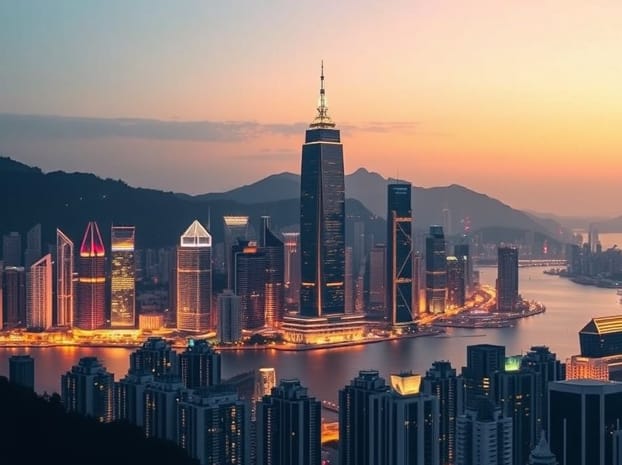
Hong Kong Handover 2047
As Hong Kong approaches the year 2047, the question of what will happen to the region’s political and legal systems becomes increasingly pertinent. The year 2047 marks the end of the 50-year One Country, Two Systems” arrangement established between the United Kingdom and China in the 1984 Sino-British Joint Declaration. This agreement allowed Hong Kong to maintain a high degree of autonomy, including its legal and economic systems, separate from those of mainland China. However, as the expiration of this framework nears, uncertainties and debates about Hong Kong’s future intensify.
The “One Country, Two Systems” Framework
The “One Country, Two Systems” principle was introduced by Chinese leader Deng Xiaoping as a way to reunify China with Hong Kong and Macau while preserving their existing economic and administrative systems. Under this framework, Hong Kong retained its capitalist system, legal independence, and civil liberties, which were distinct from the socialist system of mainland China. The Basic Law, Hong Kong’s mini-constitution, enshrined these rights and freedoms, promising that they would remain unchanged for 50 years after the 1997 handover, until 2047.
Key Provisions of the Basic Law
- High Degree of AutonomyHong Kong was granted autonomy in all areas except foreign affairs and defense.
- Preservation of Legal SystemThe common law system, inherited from British rule, was maintained.
- Protection of Rights and FreedomsFundamental rights such as freedom of speech, assembly, and press were safeguarded.
- Independent JudiciaryThe judiciary remained separate from the executive and legislative branches.
Approaching 2047 Uncertainties and Concerns
As the 2047 deadline approaches, questions arise about the future of Hong Kong’s autonomy and freedoms. While the Chinese government has stated that the “One Country, Two Systems” framework will continue beyond 2047, there is skepticism about the commitment to this promise. Critics argue that recent actions, such as the imposition of the National Security Law in 2020, have eroded the freedoms guaranteed under the Basic Law.
Legal and Property Concerns
One of the pressing issues is the status of land leases in Hong Kong. Many land leases granted before the 1997 handover are set to expire in 2047. The Basic Law does not provide clear guidance on whether these leases can be renewed or extended after that date. This uncertainty has raised concerns among property owners and businesses about the future of their investments.
Political Freedoms and Civil Liberties
There is growing concern about the erosion of political freedoms and civil liberties in Hong Kong. The National Security Law has been used to arrest pro-democracy activists, journalists, and opposition politicians, leading to fears that the region’s unique freedoms are being undermined. The closure of media outlets and the suppression of dissenting voices have further fueled these concerns.
Perspectives on Hong Kong’s Future
Opinions on what will happen to Hong Kong after 2047 vary. Some believe that the region will continue to enjoy a high degree of autonomy, with its legal and economic systems remaining intact. Others fear that Hong Kong will be fully integrated into mainland China, losing the freedoms and autonomy it has enjoyed for over a century.
Optimistic Viewpoints
Supporters of the “One Country, Two Systems” framework argue that it has been beneficial for both Hong Kong and China. They point to Hong Kong’s role as a global financial hub and its contributions to China’s economic development as evidence of the success of the arrangement. These individuals hope that the principles enshrined in the Basic Law will continue to guide Hong Kong’s future.
Pessimistic Viewpoints
Critics, however, believe that the erosion of freedoms and the increasing influence of Beijing indicate a shift away from the promises made in the 1984 Joint Declaration. They argue that the imposition of the National Security Law and other recent actions are signs that Hong Kong’s autonomy is being undermined, and they fear that the region will lose its unique identity and freedoms after 2047.
As 2047 approaches, the future of Hong Kong remains uncertain. While the Chinese government has pledged to uphold the “One Country, Two Systems” framework beyond that year, recent developments have raised questions about the region’s autonomy and freedoms. The coming years will be crucial in determining whether Hong Kong can maintain its unique status or if it will undergo further integration into mainland China. The international community continues to watch closely, hoping for a peaceful and prosperous future for Hong Kong and its people.