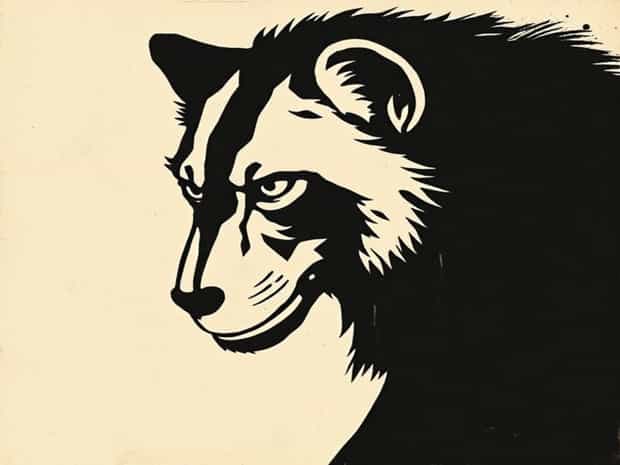
Homo Homini Lupus Georges Rouault
Georges Rouault, one of the most influential French painters and printmakers of the 20th century, created a powerful body of work that often explored human suffering, morality, and the darker aspects of society. Among his striking pieces, Homo Homini Lupus” stands out as a vivid exploration of human cruelty and the innate violence within mankind. This phrase, meaning “man is a wolf to man,” perfectly encapsulates the thematic essence of Rouault’s artwork, which combines expressive brushwork, dramatic contrasts of light and shadow, and deeply symbolic imagery to confront viewers with the unsettling truths of human nature.
Georges Rouault Life and Artistic Vision
Born in Paris in 1871, Georges Rouault trained as a stained-glass artist before turning to painting and printmaking. His early exposure to the luminous and colorful world of stained glass deeply influenced his later works, giving them a luminous intensity and a focus on emotional resonance. Rouault’s art was characterized by thick black outlines, vivid colors, and a deeply expressive style that conveyed both spiritual and existential themes. Throughout his career, he was driven by a desire to reflect the moral and social realities of his time, often depicting marginalized figures, clowns, beggars, and the suffering of humanity with compassion and stark honesty.
The Meaning of “Homo Homini Lupus”
The phrase “Homo Homini Lupus,” attributed to the Roman playwright Plautus and later popularized by Thomas Hobbes, suggests that human beings can be predators to one another. Rouault’s adoption of this concept in his art underscores his concern with the capacity for violence, betrayal, and moral corruption inherent in human society. The artwork titled “Homo Homini Lupus” depicts human figures in anguished, distorted forms, emphasizing the brutality and inner turmoil that can exist within people. Through this work, Rouault invites viewers to reflect on the ethical responsibilities of humanity and the consequences of social neglect and moral failure.
Artistic Techniques and Style
Rouault’s style in “Homo Homini Lupus” exemplifies his signature approach, combining elements of Expressionism and Fauvism with influences from medieval stained glass. He used heavy black outlines to define figures, creating a sense of structural rigidity while simultaneously conveying emotional intensity. His color palette often included deep reds, blues, and earthy tones that amplified the drama and emotional impact of the scenes. The composition of the work directs attention to the faces and gestures of the figures, highlighting their inner conflict, despair, and sometimes violent tendencies.
Symbolism in the Artwork
Symbolism played a central role in Rouault’s interpretation of human cruelty in “Homo Homini Lupus.” Figures may be depicted as hunched or exaggerated, symbolizing moral corruption or psychological burden. The use of stark contrasts and dark backgrounds enhances the sense of isolation and foreboding, creating a visual metaphor for the darkness that can reside within humanity. Rouault often incorporated religious and spiritual motifs to juxtapose hope and redemption against suffering and sin, suggesting that even amidst human cruelty, there remains the possibility of moral awareness and compassion.
The Social and Historical Context
Rouault created “Homo Homini Lupus” during a period marked by social upheaval, war, and political instability. The brutality of World War I and the societal inequalities of early 20th-century France profoundly influenced his thematic choices. His works frequently addressed the suffering of the poor, the marginalized, and the innocent, highlighting the contrast between human potential for kindness and the tendency toward selfishness and violence. This contextual understanding enhances the impact of “Homo Homini Lupus,” revealing the artwork not merely as a depiction of individual human behavior, but as a reflection of broader social and historical realities.
Reception and Influence
Rouault’s work was widely recognized for its emotional intensity and moral depth, although it was often considered challenging or unsettling due to its unflinching depiction of human suffering. “Homo Homini Lupus” resonated with audiences who were grappling with the ethical dilemmas and social turbulence of the time. His style influenced later expressionist and modernist artists, and his exploration of human cruelty and morality continues to be relevant in contemporary discussions of art and society. Critics have praised Rouault for his ability to combine visual beauty with profound moral and philosophical inquiry, creating works that are both aesthetically compelling and intellectually provocative.
Exhibitions and Legacy
“Homo Homini Lupus” has been featured in numerous exhibitions dedicated to Georges Rouault’s work, showcasing his unique ability to merge expressive form with moral commentary. Museums around the world, including the Centre Pompidou in Paris and the Metropolitan Museum of Art in New York, have celebrated Rouault’s contributions to modern art. The piece continues to be studied for its innovative techniques, symbolic depth, and the way it embodies Rouault’s concern with the human condition. Through these exhibitions, new generations of viewers can engage with the artwork’s timeless themes of morality, empathy, and the struggle between human cruelty and compassion.
Educational and Interpretive Programs
- Guided ToursMany institutions offer guided tours explaining the historical and artistic context of “Homo Homini Lupus.”
- WorkshopsArt programs allow participants to explore Rouault’s techniques, including his use of line, color, and symbolism.
- LecturesScholars provide in-depth analysis of the themes of human nature, morality, and social critique in Rouault’s work.
- Interactive Digital ExhibitsSome museums offer virtual experiences highlighting the intricate details and expressive techniques of Rouault’s art.
“Homo Homini Lupus” by Georges Rouault remains a profound exploration of the duality of human nature, the capacity for both cruelty and empathy, and the moral questions that arise from social inequality and human conflict. Through his distinctive use of color, line, and symbolism, Rouault creates a powerful visual narrative that continues to resonate with audiences today. The artwork serves not only as a striking aesthetic experience but also as a moral reflection, challenging viewers to consider the ethical implications of their actions and the enduring struggle between humanity’s darker impulses and its potential for goodness. Rouault’s work exemplifies how art can serve as a mirror to society, revealing uncomfortable truths while inspiring contemplation and, ultimately, hope.