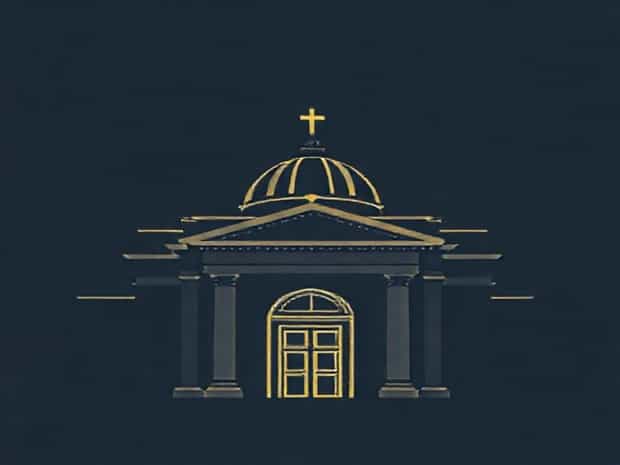
Holy Door Of St Peter’S Basilica
The Holy Door of St. Peter’s Basilica stands as one of the most iconic and spiritually significant symbols within the Vatican and the wider Catholic Church. Every year, thousands of pilgrims and visitors from around the world gather in St. Peter’s Square to behold this sacred portal, especially during Holy Years or Jubilee Years, when the door is ceremonially opened. The Holy Door represents forgiveness, renewal, and the passage from sin to grace. Passing through it is more than a physical act; it is a profound spiritual experience, symbolizing a journey of repentance, reflection, and reconciliation with God. Its history, rituals, and theological significance make it a central feature of Catholic devotion and a compelling destination for the faithful.
Historical Background of the Holy Door
The tradition of the Holy Door dates back several centuries. Originally, the doors of major basilicas in Rome were designated as holy doors to mark special occasions known as Jubilee Years. The first documented Holy Year was declared by Pope Boniface VIII in 1300. Since then, the Holy Door of St. Peter’s Basilica has been ceremonially opened every 25 years or during extraordinary jubilees as a symbol of God’s mercy and the invitation to spiritual renewal. The door itself, usually sealed with bricks from the inside, is only opened by the Pope during these designated years. Pilgrims often await this opening with great anticipation, understanding the profound spiritual significance of crossing through this sacred threshold.
Symbolism and Spiritual Meaning
The Holy Door represents the passage from sin to grace, from despair to hope, and from mortality to spiritual renewal. Crossing through the door symbolizes the believer’s journey toward repentance and reconciliation with God. It is a tangible expression of faith, a moment when the faithful acknowledge human imperfection while embracing divine mercy. The ritual emphasizes the themes of forgiveness, transformation, and the pursuit of holiness, reminding all who pass through that the path of faith requires humility, reflection, and dedication to spiritual growth.
Rituals and Ceremonies Associated with the Holy Door
The opening of the Holy Door is marked by solemn liturgical ceremonies. The Pope, accompanied by cardinals, clergy, and faithful pilgrims, performs the ritual with prayer, blessing, and symbolic gestures. Traditionally, the door is sealed for 25 years and then ceremonially unsealed. During the Jubilee, the faithful are invited to pass through the door as an act of devotion, prayer, and penance. This act is often accompanied by
- Recitation of prayers for forgiveness and renewal
- Confession and sacramental reconciliation
- Participation in Mass and other liturgical celebrations
- Reflection on one’s spiritual journey and commitment to faith
These rituals are not merely formalities; they represent an opportunity for personal and communal transformation, allowing pilgrims to deepen their spiritual lives and embrace the mercy offered by God.
The Architecture and Design of the Holy Door
The Holy Door of St. Peter’s Basilica is an architectural marvel. Typically constructed from bronze, it is adorned with intricate religious artwork, depicting scenes from Scripture, saints, and symbols of divine grace. The craftsmanship of the door reflects centuries of devotion and artistic excellence. Its monumental presence at the basilica’s entrance emphasizes its significance as a threshold between the secular and the sacred. The design invites contemplation and reverence, reminding pilgrims that entering the basilica is not just a physical journey, but a spiritual passage toward holiness and communion with God.
Jubilee Years and Extraordinary Holy Years
Holy Years, or Jubilee Years, are special occasions in which the Pope calls the faithful to spiritual renewal and pilgrimage. During these years, the Holy Door is ceremonially opened to symbolize an extraordinary opportunity for forgiveness and grace. The faithful who pass through the door may receive indulgences, a practice rooted in the Church’s teachings on penance and spiritual growth. While regular Holy Years occur every 25 years, extraordinary jubilees may be declared by the Pope to mark significant events in the Church or in response to global needs, emphasizing the universal call to repentance and renewal.
Pilgrimage and Devotion
Visiting the Holy Door is a central act of pilgrimage for many Catholics. Pilgrims often journey from distant countries to Rome, experiencing a sense of spiritual anticipation and devotion as they approach St. Peter’s Basilica. Walking through the Holy Door is considered an act of immense spiritual significance, providing an opportunity for prayer, reflection, and commitment to live according to the teachings of Christ. Pilgrimage itself embodies a journey not only across physical space but also within the heart and soul, fostering a deeper connection with God and the universal Church.
Modern Practices and Global Influence
In contemporary times, the Holy Door continues to inspire devotion among Catholics worldwide. Even outside of Jubilee Years, the symbolism of the door resonates in churches and communities across the globe, reminding believers of the continual invitation to seek forgiveness and embrace grace. Many dioceses create local holy doors to allow the faithful who cannot travel to Rome to participate spiritually in the Jubilee, demonstrating the universal relevance of this sacred tradition. The Holy Door serves as a reminder that God’s mercy is always accessible, and that spiritual renewal is an ongoing process for every believer.
Impact on Catholic Faith and Practice
The Holy Door of St. Peter’s Basilica reinforces several essential aspects of Catholic faith and practice. It emphasizes the importance of pilgrimage, prayer, confession, and participation in the sacraments. By passing through the door, believers are reminded of the transformative power of God’s mercy and the call to live a life of holiness and compassion. The ritual strengthens communal identity, unites the faithful across cultures, and encourages reflection on the path of spiritual growth. It is a visible and tangible expression of Catholic devotion, inspiring believers to embrace faith with renewed fervor.
The Holy Door of St. Peter’s Basilica stands as a powerful symbol of faith, mercy, and spiritual renewal. Its rich history, intricate design, and profound theological significance make it a focal point of Catholic devotion and pilgrimage. By passing through the Holy Door, the faithful participate in a centuries-old tradition that embodies repentance, reconciliation, and the transformative power of grace. Whether during Jubilee Years or through local adaptations, the door continues to inspire believers to deepen their relationship with God, embrace forgiveness, and live in accordance with Christ’s teachings. It reminds all who approach it that the journey of faith is both a personal and communal path, offering hope, spiritual renewal, and an enduring connection with the divine.
Ultimately, the Holy Door of St. Peter’s Basilica is more than an architectural feature; it is a gateway to spiritual transformation. Each pilgrim who crosses its threshold engages in an act of devotion that transcends time, linking the present with centuries of Catholic tradition. The Holy Door invites reflection, prayer, and renewal, making it a living symbol of God’s mercy and a central pillar of Catholic faith that continues to inspire generations of believers around the world.