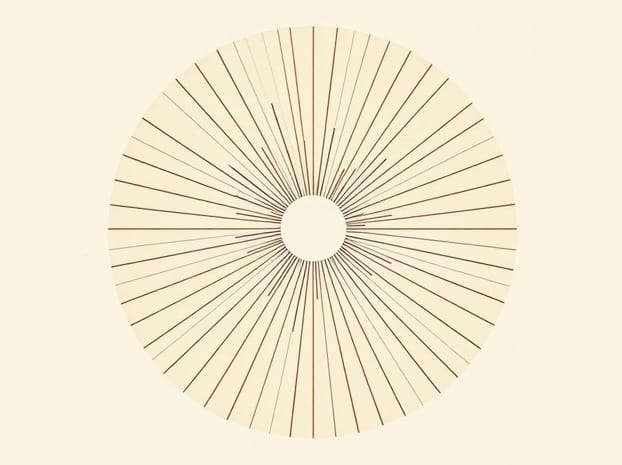
Hilma Af Klint Parsifal
Hilma af Klint, a pioneering Swedish artist, created a body of work that continues to intrigue and inspire the art world. Among her many explorations of spirituality, mysticism, and abstraction, the series titled Parsifal” stands out for its symbolic depth and innovative use of color, form, and geometry. Painted in the early 20th century, this series exemplifies af Klint’s unique vision of translating metaphysical concepts into visual art. The “Parsifal” works reflect her interest in spiritualism, Theosophy, and the quest for enlightenment, bridging the gap between traditional artistic practices and modern abstract experimentation. Examining these works offers a window into the intricate interplay between symbolism, personal philosophy, and avant-garde experimentation that defined her career.
Hilma af Klint’s Spiritual Context
Hilma af Klint’s artistic vision was deeply intertwined with her spiritual beliefs. She was influenced by Theosophy, a philosophical movement that emphasized the exploration of the unseen and the connection between the material and spiritual worlds. Af Klint believed that art could serve as a channel for communicating higher truths and spiritual insights, and the “Parsifal” series reflects this aspiration. The series’ symbolic forms and vibrant colors are not merely aesthetic choices but are intended to convey complex spiritual ideas and emotional resonance. Her works often function as visual manifestations of spiritual journeys, inviting viewers to engage in contemplation and introspection.
The Significance of the Title “Parsifal”
The title “Parsifal” references the legendary Arthurian knight who embarks on a quest for the Holy Grail, a symbol of spiritual enlightenment and purity. By adopting this reference, af Klint aligned her work with the themes of quest, transformation, and spiritual awakening. The “Parsifal” series can be interpreted as a visual exploration of the journey toward understanding and higher consciousness. Each painting within the series functions as a symbolic stage in this journey, representing challenges, revelations, and the pursuit of inner truth. This connection to mythic and esoteric narratives underscores af Klint’s commitment to integrating storytelling, philosophy, and abstraction.
Visual Language and Symbolism
Af Klint’s “Parsifal” series is characterized by an innovative use of geometric shapes, abstract forms, and vibrant colors. Circles, spirals, triangles, and other symbolic shapes recur throughout the series, often arranged in complex compositions that suggest balance, harmony, and spiritual evolution. Color plays a crucial role, with each hue selected to evoke specific emotions or convey metaphysical significance. For example, blue may symbolize calm and reflection, while red conveys energy or transformation. The careful orchestration of form and color allows viewers to experience the series not only visually but emotionally and spiritually.
Integration of Mystical Concepts
The “Parsifal” series integrates mystical concepts drawn from af Klint’s study of spiritualism and esoteric traditions. Her works often function as visual diagrams of spiritual ideas, mapping the unseen forces that govern human experience and the universe. By employing abstraction rather than representational imagery, af Klint was able to convey complex spiritual relationships that might be difficult to express through traditional artistic methods. This innovative approach places her among the earliest pioneers of abstract art, predating many well-known modernists who would later explore similar concepts.
Techniques and Materials
Af Klint employed a variety of techniques to achieve the ethereal quality of her “Parsifal” paintings. She often worked on large-scale sheets of paper, layering watercolors, gouache, and ink to create vibrant, luminous compositions. The precision of her geometric forms, combined with the fluidity of her color application, results in a dynamic tension between order and spontaneity. Her meticulous attention to detail and deliberate execution reflect her belief in the spiritual purpose of art, transforming the act of painting into a ritualistic process. These technical choices enhance the visual impact of the series and support its symbolic intent.
Impact on Modern Art
The “Parsifal” series has had a lasting influence on the trajectory of modern art, particularly in the development of abstract painting. Af Klint’s early use of geometric abstraction, symbolic color coding, and integration of spiritual themes anticipated many trends that would dominate the 20th century. While her work remained largely unknown during her lifetime, contemporary recognition has positioned her as a pivotal figure in the history of abstraction. The “Parsifal” series demonstrates how spiritual exploration can intersect with formal experimentation, offering a model for subsequent artists seeking to combine meaning with aesthetic innovation.
Interpretation and Reception
Interpreting the “Parsifal” series requires consideration of both its visual and symbolic elements. The works invite multiple readings, as viewers are encouraged to engage with their forms, colors, and relationships rather than seeking literal narratives. Scholars and critics often emphasize the series’ spiritual and philosophical dimensions, noting how af Klint translates metaphysical ideas into visual codes. Exhibitions of the “Parsifal” series highlight the interplay between personal vision and universal symbolism, inviting audiences to experience a dialogue between the material and spiritual realms.
Challenges of Interpretation
One challenge in interpreting af Klint’s work lies in its esoteric nature. The artist herself left extensive notes and diagrams explaining her intentions, but the symbolic system can still appear enigmatic to contemporary viewers. Understanding “Parsifal” often requires familiarity with Theosophy, spiritualist practices, and af Klint’s personal philosophies. Despite these challenges, the series resonates broadly due to its aesthetic power and the universal themes of quest, transformation, and self-discovery. This combination of accessibility and depth is part of what makes af Klint’s work enduringly compelling.
Legacy and Continued Influence
The legacy of Hilma af Klint and the “Parsifal” series is evident in the continued interest of scholars, artists, and collectors. Her approach to abstraction and spiritual symbolism has inspired contemporary artists exploring themes of metaphysics, identity, and transformation. The series is often cited in studies of early abstract art as an example of how abstraction can serve both aesthetic and philosophical purposes. Furthermore, exhibitions dedicated to af Klint’s work have helped to reposition her as a central figure in modern art history, ensuring that the “Parsifal” series reaches audiences who appreciate both its beauty and its intellectual depth.
Exhibitions and Public Engagement
Recent exhibitions of the “Parsifal” series have provided audiences with opportunities to engage directly with af Klint’s visionary approach. Museums and galleries often contextualize the works with explanatory texts and multimedia presentations, helping viewers navigate the complex symbolic language. These exhibitions emphasize the importance of scale, color, and spatial relationships, allowing audiences to experience the immersive quality of the series. Public engagement with “Parsifal” highlights the continuing relevance of af Klint’s exploration of spirituality, abstraction, and the human search for meaning.
The “Parsifal” series by Hilma af Klint stands as a testament to the power of art to bridge the visible and invisible worlds. Through her innovative use of abstraction, symbolic color, and geometric form, af Klint created works that convey profound spiritual insights and invite contemplation. The series reflects her engagement with Theosophy, mysticism, and the quest for enlightenment, positioning her as a pioneering figure in the development of modern abstract art. Today, “Parsifal” continues to inspire viewers, offering both aesthetic pleasure and intellectual stimulation, while affirming the enduring significance of Hilma af Klint’s visionary contributions to art and spirituality.
“