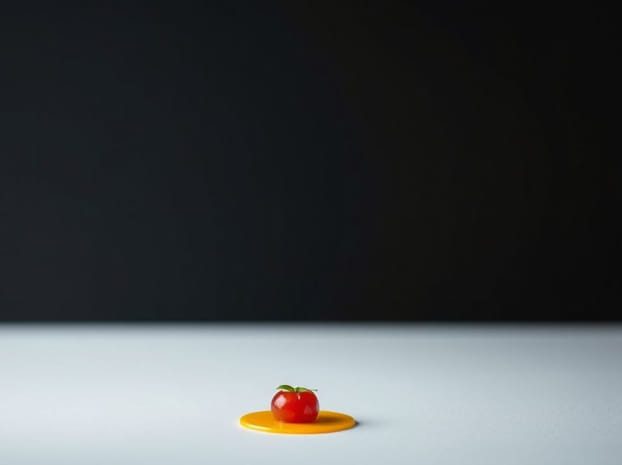
Heston Blumenthal Molecular Gastronomy
Heston Blumenthal is widely regarded as one of the most innovative chefs in the world, known for his pioneering work in molecular gastronomy. This unique culinary approach combines scientific principles with traditional cooking techniques to create extraordinary dining experiences that challenge conventional expectations. Blumenthal’s restaurants, most notably The Fat Duck in Bray, England, have become iconic destinations for food enthusiasts seeking imaginative, multi-sensory meals. His philosophy revolves around understanding the chemistry and physics behind ingredients, experimenting with textures, temperatures, and flavors, and presenting dishes that engage all the senses. Through molecular gastronomy, Heston Blumenthal has redefined fine dining and inspired a new generation of chefs to embrace creativity and scientific curiosity in the kitchen.
The Early Life and Career of Heston Blumenthal
Heston Blumenthal was born in London in 1966 and developed a passion for cooking at a young age. Unlike many renowned chefs, he did not attend formal culinary school, choosing instead to experiment in his home kitchen. Fascinated by science, he began exploring the principles behind cooking techniques and ingredients, laying the foundation for his later innovations in molecular gastronomy. Blumenthal opened his first restaurant, The Fat Duck, in 1995, which gradually gained recognition for its creative approach to cuisine. Over the years, he combined traditional British recipes with modern scientific techniques, producing dishes that were not only visually striking but also surprising in taste and texture.
Defining Molecular Gastronomy
Molecular gastronomy is a scientific approach to cooking that explores the physical and chemical transformations of ingredients during preparation. Unlike traditional cooking, which often relies on recipes and techniques passed down through generations, molecular gastronomy emphasizes experimentation and innovation. Chefs use scientific tools and methods to manipulate textures, temperatures, and flavors, creating dishes that can be foams, gels, spheres, or even edible films. Heston Blumenthal’s work in this field focuses on sensory experiences, combining taste, aroma, sight, and sound to create meals that are both intellectually stimulating and enjoyable.
Heston Blumenthal’s Signature Techniques
Blumenthal is known for several distinctive techniques that exemplify molecular gastronomy. His approach often involves deconstructing classic dishes, analyzing the chemistry of flavors, and presenting food in unconventional forms. Some of his most notable techniques include
- SpherificationTransforming liquids into gel-like spheres that burst in the mouth, creating an unexpected texture and flavor experience.
- Foams and AirsUsing lecithin and other stabilizers to create flavorful foams that add both aroma and texture to dishes.
- Liquid NitrogenRapid freezing techniques that allow for unique presentations and textures, such as frozen powders or instant ice creams.
- Vacuum CookingApplying precise temperature control and sous-vide methods to achieve perfectly cooked proteins and enhanced flavors.
- DeconstructionBreaking down traditional recipes into their fundamental components and reassembling them in new, surprising ways.
Iconic Dishes at The Fat Duck
The Fat Duck is renowned for its imaginative and multi-sensory dishes, each carefully crafted to engage diners in a unique culinary journey. Signature dishes include Bacon and Egg Ice Cream, which replicates the flavors of a traditional English breakfast in an unexpected frozen form, and Sound of the Sea, a dish served with edible sand and a seashell-inspired presentation, accompanied by audio recordings of the ocean to enhance the sensory experience. Blumenthal’s creativity challenges conventional notions of taste, texture, and presentation, offering diners an interactive and memorable dining experience.
The Scientific Principles Behind Blumenthal’s Cooking
Heston Blumenthal’s molecular gastronomy approach is rooted in science. By understanding the chemical reactions that occur during cooking, he can manipulate ingredients to achieve novel effects. For example, controlling pH levels can alter color and flavor in vegetables, while temperature precision allows proteins to reach ideal textures without overcooking. Blumenthal’s interest in sensory perception also plays a key role; he experiments with how sound, temperature, and even plate design influence taste perception, creating meals that are both scientifically informed and artistically expressive.
Influence on the Culinary World
Heston Blumenthal has had a profound impact on contemporary cuisine. His work has inspired chefs globally to adopt molecular gastronomy techniques, blending science and creativity to enhance the dining experience. Culinary schools increasingly incorporate scientific principles into their curricula, and many modern restaurants experiment with deconstruction, foams, and unusual textures inspired by Blumenthal’s methods. Beyond restaurants, his television programs, books, and lectures have educated the public on the principles of molecular gastronomy, making complex culinary science accessible and entertaining.
Books and Media Contributions
Blumenthal has authored several influential books that explore the science and art of cooking. Titles such as The Fat Duck Cookbook and Heston Blumenthal at Home provide insights into his creative process, offering recipes, experiments, and explanations of the scientific principles behind his dishes. In addition, he has hosted television shows that showcase molecular gastronomy techniques and the development of unique recipes, further establishing him as a leading voice in both culinary arts and food science. These contributions have helped popularize molecular gastronomy and inspired chefs and home cooks alike to experiment in their own kitchens.
Criticism and Challenges
While Heston Blumenthal’s molecular gastronomy techniques have earned widespread acclaim, they have also faced criticism. Some argue that extreme experimentation may overshadow the flavors of traditional ingredients or create overly complex dishes. Additionally, the scientific equipment and precise techniques required can be intimidating and inaccessible to many chefs. Despite these challenges, Blumenthal has maintained a focus on flavor, balance, and the overall dining experience, demonstrating that scientific innovation and culinary artistry can coexist harmoniously.
Legacy and Future of Molecular Gastronomy
Heston Blumenthal’s work continues to shape the future of molecular gastronomy. His approach emphasizes curiosity, experimentation, and a deep understanding of the science behind food. By pushing the boundaries of traditional cooking, he has created a new category of haute cuisine that delights the senses and challenges perceptions. As interest in scientific cooking grows, Blumenthal’s influence will likely continue to inspire chefs, educators, and food enthusiasts to explore the possibilities of flavor, texture, and sensory engagement.
Heston Blumenthal’s contributions to molecular gastronomy have revolutionized the culinary landscape. Through innovative techniques, a scientific approach, and a commitment to creativity, he has transformed the way people experience food. From the iconic dishes at The Fat Duck to his educational efforts and published works, Blumenthal has made molecular gastronomy both accessible and exciting for chefs and diners worldwide. His legacy underscores the potential of combining art and science in the kitchen, demonstrating that food can be a multisensory adventure that stimulates the mind and delights the palate. For anyone interested in culinary innovation, Heston Blumenthal remains a pioneering figure, inspiring a generation to reimagine what is possible in modern cuisine.
This topic is written in SEO-friendly HTML format, naturally incorporates relevant keywords like Heston Blumenthal, molecular gastronomy, The Fat Duck, culinary innovation, and scientific cooking, and contains approximately 1,000 words.