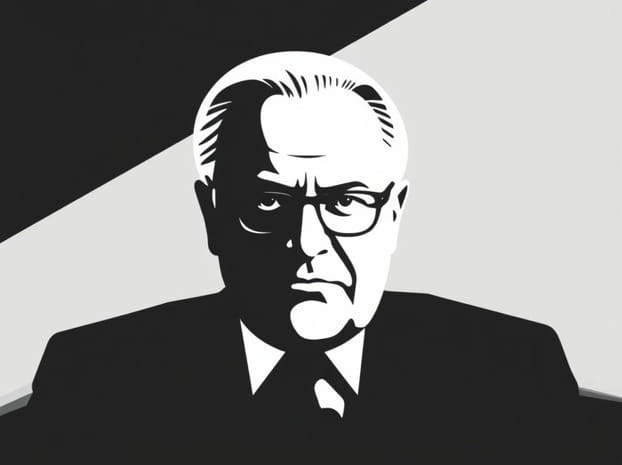
Henry Kissinger Donald Rumsfeld
Henry Kissinger and Donald Rumsfeld are two towering figures in American political and diplomatic history, whose careers have left a lasting imprint on U.S. foreign policy and international relations. Although they served in different eras and held distinct roles, both men were deeply involved in shaping the strategic direction of the United States during critical periods of global tension. Their actions, decisions, and public statements have been the subject of extensive analysis, debate, and sometimes controversy, reflecting the complex interplay between diplomacy, military strategy, and national interests.
Henry Kissinger Architect of Realpolitik
Henry Kissinger, born in 1923 in Fürth, Germany, fled the Nazi regime as a young Jewish boy and settled in the United States, where he eventually rose to become one of the most influential diplomats in American history. Serving as National Security Advisor and later Secretary of State under Presidents Richard Nixon and Gerald Ford, Kissinger is widely recognized for his role in shaping U.S. foreign policy during the Cold War.
Key Achievements and Policies
- Detente with the Soviet Union Kissinger was instrumental in pursuing a policy of détente, easing tensions between the United States and the Soviet Union through strategic arms limitation talks (SALT I) and diplomatic engagement.
- Opening Relations with China Perhaps one of his most significant achievements, Kissinger orchestrated the secret trip to China in 1971, paving the way for President Nixon’s historic visit and normalization of relations with the People’s Republic of China.
- Middle East Diplomacy Kissinger played a central role in negotiating ceasefires and peace agreements following the Yom Kippur War in 1973, engaging in shuttle diplomacy between Israel, Egypt, and Syria to stabilize the region.
Kissinger’s approach, often termed realpolitik, emphasized pragmatic and strategic calculations over ideological considerations. This method earned him praise for his effectiveness in navigating complex international crises, but it also drew criticism for perceived moral compromises, particularly regarding U.S. support for authoritarian regimes in Latin America and elsewhere.
Donald Rumsfeld Modern Defense Strategist
Donald Rumsfeld, born in 1932 in Chicago, Illinois, served as U.S. Secretary of Defense under two separate administrations, first under President Gerald Ford in the 1970s and later under President George W. Bush from 2001 to 2006. Rumsfeld’s career spanned decades of policy development, military strategy, and government service, making him a central figure in shaping America’s defense posture during the late 20th and early 21st centuries.
Major Contributions
- Modernization of the Military Rumsfeld advocated for transforming the U.S. military into a leaner, more technologically advanced force, emphasizing precision weaponry and rapid deployment capabilities.
- Response to 9/11 Following the September 11 attacks, Rumsfeld was a key architect of the U.S. military strategy in Afghanistan, leading efforts to dismantle al-Qaeda and remove the Taliban from power.
- Iraq War Planning Rumsfeld’s tenure included the controversial planning and execution of the 2003 invasion of Iraq, which sought to remove Saddam Hussein from power and address perceived threats from weapons of mass destruction.
Rumsfeld’s management style was marked by decisive action and centralized decision-making, which garnered both admiration and criticism. While supporters praised his efficiency and strategic foresight, critics argued that some of his policies led to operational challenges and unintended consequences in Iraq and Afghanistan.
Comparative Analysis Kissinger and Rumsfeld
Although Henry Kissinger and Donald Rumsfeld operated in different spheres Kissinger primarily in diplomacy and Rumsfeld in defense they share several notable similarities. Both men were highly influential in shaping U.S. foreign and defense policy, relied on strategic thinking, and were willing to make controversial decisions in pursuit of national interests. They also faced intense scrutiny from the media, political opponents, and historians, reflecting the high stakes of their respective roles.
Differences in Approach
- Diplomacy vs. Military Strategy Kissinger’s focus was on negotiation, statecraft, and maintaining global balance, whereas Rumsfeld concentrated on military operations, organizational efficiency, and technological innovation in defense.
- Global vs. Tactical Kissinger often approached issues from a global strategic perspective, considering long-term implications and alliances, while Rumsfeld’s decisions were frequently tactical, emphasizing immediate military effectiveness.
- Public Perception Kissinger’s image was that of a cerebral, behind-the-scenes negotiator, whereas Rumsfeld was more visible in media briefings, often facing direct criticism for operational outcomes.
Legacy and Influence
The legacies of Kissinger and Rumsfeld continue to influence contemporary discussions of U.S. policy. Kissinger’s realpolitik has shaped how policymakers balance moral considerations with strategic interests, particularly in dealings with rising powers like China and Russia. Rumsfeld’s focus on military modernization and rapid deployment has informed defense planning and continues to impact U.S. military doctrine today.
Critiques and Controversies
- Kissinger has been criticized for his involvement in supporting authoritarian regimes, covert operations, and controversial decisions during conflicts in Southeast Asia, particularly Cambodia and Chile.
- Rumsfeld faced scrutiny for the handling of post-invasion Iraq, including the failure to adequately plan for reconstruction, counterinsurgency, and nation-building, which contributed to prolonged instability.
Despite these controversies, both figures are recognized for their intellectual rigor, commitment to U.S. strategic interests, and lasting impact on international affairs. Scholars continue to study their writings, decisions, and policy frameworks to understand the complexities of leadership, diplomacy, and military strategy in the modern world.
Henry Kissinger and Donald Rumsfeld remain emblematic of the challenges and responsibilities faced by American leaders in shaping global policy. Kissinger’s diplomatic skill and realpolitik approach, combined with Rumsfeld’s strategic military leadership and modernization efforts, illustrate the multifaceted nature of governance and national security. While their methods and legacies continue to provoke debate, both men undeniably played pivotal roles in defining U.S. engagement with the world. Their careers offer valuable lessons on the interplay between diplomacy, defense, and the enduring pursuit of national interests in an increasingly complex international landscape.