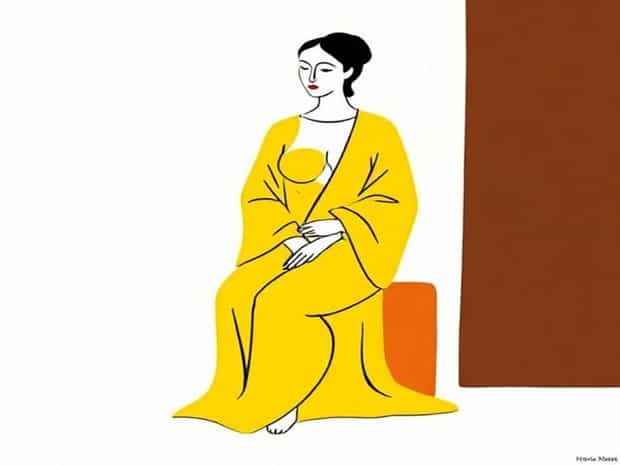
Henri Matisse Odalisque In Yellow Robe
Henri Matisse’s painting,Odalisque in Yellow Robe, is a remarkable example of the artist’s exploration of color, form, and exotic themes during the early 20th century. Matisse, a leading figure of the Fauvist movement, was known for his bold use of color and expressive brushwork, and this work demonstrates his mastery in transforming a seemingly simple subject into a vibrant, emotionally charged composition. The painting features a reclining odalisque, a motif that fascinated Matisse throughout his career, set against a background of rich, decorative patterns that highlight the interplay between figure and ornamentation.
Historical Context of the Odalisque Theme
The theme of the odalisque has a long history in European art, often associated with representations of the harem in the Ottoman Empire. During the 19th and early 20th centuries, French artists were captivated by Orientalist themes, imagining exotic settings and luxurious garments. Matisse was particularly drawn to the odalisque as a subject because it allowed him to experiment with color contrasts, decorative motifs, and sensual forms without being constrained by realism. InOdalisque in Yellow Robe, the artist transforms the traditional theme into a modern exploration of aesthetic beauty and emotional resonance.
Matisse’s Artistic Approach
Matisse’s approach in this painting reflects his interest in simplifying forms and emphasizing the expressive potential of color. The yellow robe, bright and luminous, dominates the composition and serves as a focal point, drawing the viewer’s eye immediately to the reclining figure. Matisse’s brushstrokes are deliberate yet fluid, creating a sense of movement within the otherwise static pose of the odalisque. By flattening the spatial depth, he allows the patterns in the background to interact visually with the figure, creating a harmonious balance between color, line, and shape.
The Role of Color inOdalisque in Yellow Robe
Color is central to Matisse’s artistic philosophy, and in this work, it is used to evoke mood and emotion rather than to replicate reality. The yellow robe, rich and radiant, symbolizes warmth, vitality, and sensuality. Surrounding patterns in blues, greens, and reds complement the yellow, enhancing the overall vibrancy of the scene. Matisse believed that color could act almost independently from form, creating a rhythm across the canvas that guides the viewer’s eye. The contrast between the luminous robe and the softer hues of the background emphasizes the odalisque’s presence, highlighting her as both an object of beauty and a subject of artistic exploration.
Composition and Design Elements
The composition ofOdalisque in Yellow Robedemonstrates Matisse’s skill in balancing figure and decorative elements. The reclining pose is graceful, yet relaxed, creating a natural flow that leads the viewer through the painting. The intricate patterns in the textiles and surroundings are not mere background but integral components of the composition. Matisse integrates them with the figure, using repetition, color harmony, and contrasting textures to produce a sense of visual rhythm. This interplay between figure and environment exemplifies the artist’s fascination with the decorative arts and his belief in painting as a means to create joy and aesthetic pleasure.
Influence of Fauvism
Matisse was a leading figure in the Fauvist movement, which prioritized strong colors and painterly brushwork over representational accuracy. InOdalisque in Yellow Robe, the influence of Fauvism is evident in the bold color palette, the emphasis on emotional expression, and the simplified forms. The painting’s vibrant hues and confident brushstrokes evoke a sense of immediacy and intensity, inviting viewers to experience the scene through emotion rather than strict observation. Fauvism allowed Matisse to explore the freedom of color and pattern, making the odalisque not only a subject of desire but also a vehicle for artistic innovation.
Matisse’s Fascination with Textiles
Textiles and decorative fabrics play a significant role inOdalisque in Yellow Robe. Matisse often incorporated patterned fabrics, Moroccan rugs, and Oriental motifs into his paintings, both as a nod to exoticism and as a means to experiment with color relationships and compositional structure. In this painting, the yellow robe interacts visually with the surrounding patterns, creating layers of texture and depth without relying on traditional perspective. Matisse’s interest in textiles reflects his belief that decoration and fine art can coexist, enriching the viewer’s experience and reinforcing the beauty of everyday objects.
Interpretation and Emotional Impact
WhileOdalisque in Yellow Robecan be appreciated for its formal qualities, it also carries an emotional resonance. The reclining figure exudes calm and confidence, inviting the viewer into a private, intimate moment. Matisse’s use of bright colors and flowing patterns conveys a sense of joy and vitality, transforming the odalisque into a celebration of life and beauty. The painting embodies Matisse’s philosophy that art should provide pleasure and uplift the spirit, making it both visually captivating and emotionally engaging.
Legacy and Importance
Henri Matisse’sOdalisque in Yellow Roberemains an important work in the history of modern art. It exemplifies the artist’s mastery of color, composition, and decorative elements, while also highlighting his innovative approach to traditional themes. The painting has influenced countless artists, demonstrating how a single subject can be reimagined through modernist sensibilities and bold artistic experimentation. Today, it is celebrated for its vibrant palette, expressive style, and the sense of harmony that Matisse achieved between figure, color, and pattern.
Key Features of the Painting
- Reclining female figure dressed in a luminous yellow robe.
- Use of vibrant, complementary colors to create emotional depth.
- Integration of decorative patterns and textiles in the background.
- Fauvist influence evident through bold color and expressive brushwork.
- Focus on emotional resonance and aesthetic pleasure over realism.
- Exploration of exoticism and Orientalist motifs in a modernist style.
Odalisque in Yellow Robestands as a testament to Henri Matisse’s enduring fascination with color, pattern, and the female form. Through this work, Matisse transcended traditional Orientalist depictions, creating a piece that is both visually striking and emotionally evocative. The painting demonstrates how bold color choices, simplified forms, and decorative elements can combine to produce an artwork that resonates with viewers on multiple levels. It is a celebration of artistic freedom, beauty, and the joy that Matisse believed art should bring to the world.