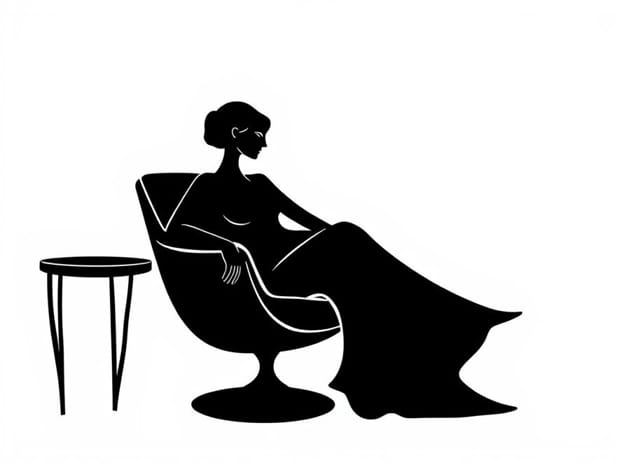
Henri Matisse Odalisque Au Fauteuil Noir
Henri Matisse’s Odalisque au Fauteuil Noir stands as a vivid testament to the artist’s fascination with color, form, and the exoticism of the orientalist aesthetic. Painted in the early 20th century, this artwork captures a reclining female figure in a black armchair, presenting a harmonious blend of bold color contrasts and fluid lines. The piece reflects Matisse’s dedication to exploring the human figure in intimate and decorative settings, a hallmark of his odalisque series. Rich in both visual appeal and cultural connotations, Odalisque au Fauteuil Noir continues to captivate viewers with its elegance and complexity, offering insight into Matisse’s evolving artistic vision during a period marked by experimentation and a deep appreciation for aesthetic beauty.
The Historical Context of Odalisque au Fauteuil Noir
Henri Matisse painted Odalisque au Fauteuil Noir during a period when he was deeply inspired by the themes of the orient and the allure of the odalisque motif. The early 20th century saw a surge of interest in exotic cultures among European artists, and Matisse’s work reflects this fascination through his use of rich textiles, intricate patterns, and sensual compositions. The painting is part of a broader series of odalisques, where Matisse experimented with color theory, spatial arrangements, and the interplay between figure and background. At this time, Matisse was already recognized for his contributions to Fauvism, an artistic movement known for bold colors and expressive brushwork, and Odalisque au Fauteuil Noir exemplifies his mastery of these techniques in a more refined, contemplative setting.
Visual Composition and Artistic Techniques
The composition of Odalisque au Fauteuil Noir demonstrates Matisse’s keen understanding of line, color, and balance. The reclining figure dominates the canvas, creating a sense of intimacy and immediacy. The black armchair contrasts sharply with the vibrant textiles and the soft, pale skin of the subject, drawing the viewer’s eye toward the central figure. Matisse’s brushwork is fluid yet deliberate, emphasizing contours and subtle variations in tone. Through the use of complementary colors and decorative motifs, he establishes a visual rhythm that guides the observer across the painting, making every detail from the folds of fabric to the posture of the odalisque an integral part of the overall harmony.
Symbolism and Cultural References
While Odalisque au Fauteuil Noir can be appreciated purely for its aesthetic qualities, it also carries deeper cultural and symbolic layers. The odalisque motif references the tradition of reclining female figures in Eastern settings, a popular theme among European artists seeking inspiration from the orient. Matisse’s interpretation, however, is unique he combines sensuality with a sophisticated decorative sensibility, reflecting his interest in both the human form and the surrounding environment. The black armchair, an unusual choice compared to traditional settings, serves to anchor the composition while evoking a sense of modernity. The patterns and textures surrounding the figure are not merely decorative; they contribute to the narrative of luxury, leisure, and introspection, all central themes in Matisse’s exploration of the odalisque.
The Role of Color and Pattern
Color is a defining feature of Matisse’s work, and in Odalisque au Fauteuil Noir, it plays a crucial role in creating mood and depth. The stark contrast between the black chair and the luminous hues of the fabrics emphasizes the figure’s presence while enhancing the painting’s overall dynamism. Matisse carefully orchestrates patterns to create visual interest, from the intricate designs on the textiles to the flowing lines of the figure’s garments. The juxtaposition of flat planes of color with detailed patterns exemplifies Matisse’s ability to merge modernist abstraction with traditional motifs. This approach allows the painting to operate on multiple levels, both as a study of form and as a celebration of decorative beauty.
Influence of the Odalisque Series
Odalisque au Fauteuil Noir is part of Matisse’s extensive exploration of the odalisque theme, which he returned to repeatedly throughout his career. These works allowed him to experiment with composition, color, and perspective while engaging with a subject that combined intimacy and exoticism. The odalisque series reflects Matisse’s interest in how the human figure can interact with its surroundings, creating a dialogue between subject and space. By placing the odalisque in a black armchair rather than a more conventional oriental setting, Matisse adds a modern twist to the motif, highlighting his innovative approach to traditional subjects.
Reception and Legacy
Odalisque au Fauteuil Noir has been celebrated for its bold experimentation and enduring visual appeal. Critics and art historians have praised the painting for its sophisticated use of color and the elegant interplay between figure and environment. It remains a prominent example of Matisse’s ability to fuse Fauvist energy with refined compositional techniques. Beyond its immediate aesthetic value, the painting has influenced generations of artists, inspiring a renewed interest in the possibilities of decorative composition and the expressive potential of color. Exhibitions of Matisse’s odalisque works continue to draw large audiences, underscoring the timeless fascination with his interpretation of femininity and exoticism.
Matisse’s Broader Artistic Vision
Odalisque au Fauteuil Noir exemplifies Matisse’s broader artistic vision, which sought to balance emotion, beauty, and intellect in visual art. Throughout his career, he explored how color, line, and form could create a sense of harmony and rhythm, often drawing inspiration from diverse sources including African, Asian, and Middle Eastern art. This painting, in particular, demonstrates his ability to integrate these influences while maintaining a personal, modern style. By doing so, Matisse not only contributed to the development of modern art but also expanded the boundaries of how the human figure could be represented in relation to space and decorative elements.
Henri Matisse’s Odalisque au Fauteuil Noir remains a masterpiece that encapsulates the artist’s dedication to color, form, and the exploration of exotic motifs. Its vibrant palette, sophisticated composition, and evocative patterns continue to engage audiences, revealing layers of meaning and aesthetic delight. As part of Matisse’s broader odalisque series, the painting offers insight into his creative process and his ongoing fascination with the interplay of figure and environment. Today, it stands as both a celebration of artistic innovation and a testament to the enduring allure of Matisse’s vision, making it a seminal work in the history of modern art.
- Odalisque au Fauteuil Noir
- Artist Henri Matisse
- Period Early 20th Century
- Medium Oil on Canvas
- Key Features Bold colors, reclining female figure, decorative patterns
- Significance Demonstrates Matisse’s mastery of Fauvist techniques and modern decorative composition