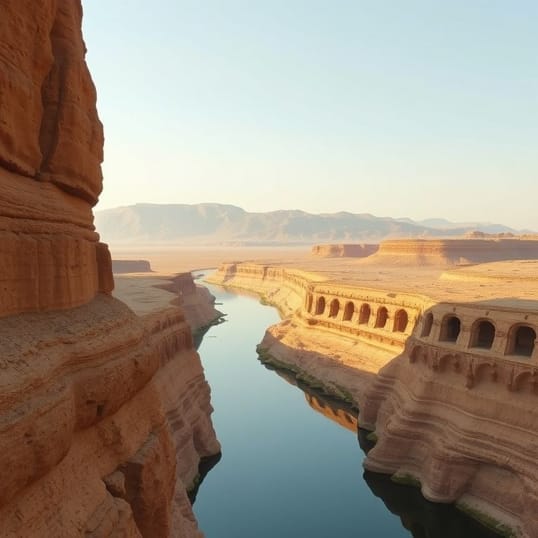
Has The Euphrates Dried Up Before
The Euphrates River is one of the most historically significant and geographically important rivers in the Middle East. Flowing through Turkey, Syria, and Iraq, it has been a lifeline for civilizations for thousands of years, providing water for agriculture, drinking, and transportation. Over the centuries, concerns about the river drying up have surfaced due to natural droughts, climate change, and extensive human interventions like damming and irrigation projects. Investigating whether the Euphrates has dried up before helps us understand its ecological challenges, historical patterns, and the modern pressures affecting this critical waterway.
Geographical Overview of the Euphrates
The Euphrates River stretches approximately 2,800 kilometers, originating from the highlands of eastern Turkey and flowing southeast through Syria and Iraq before merging with the Tigris River to form the Shatt al-Arab, which empties into the Persian Gulf. Along its course, the Euphrates passes through diverse landscapes, including mountains, valleys, and arid plains. Its basin has historically supported dense agricultural communities, making the river crucial for sustaining life in an otherwise dry region.
Historical Significance
The Euphrates has played a central role in the development of ancient civilizations, including Mesopotamia, often referred to as the cradle of civilization.” Cities such as Babylon, Ur, and Mari thrived along its banks due to fertile soil and water accessibility. Historical records and archaeological findings suggest that fluctuations in the river’s flow, including periods of low water levels, significantly influenced settlement patterns, agriculture, and trade routes. These fluctuations often led to challenges for ancient societies, requiring innovative water management techniques such as canals, reservoirs, and irrigation systems.
Has the Euphrates Dried Up Before?
While the Euphrates has never fully dried up along its entire length in recorded history, there have been instances of sections experiencing severe reduction in flow. Droughts, both seasonal and prolonged, have periodically decreased water levels, impacting agriculture and local populations. Historical accounts from Mesopotamian civilizations indicate that low water levels were not uncommon and often coincided with years of poor crop yields. More recently, modern human interventions, climate variability, and upstream water management have amplified concerns about the river’s sustainability.
Impact of Dams and Irrigation
One of the major factors affecting the Euphrates’ flow is the construction of dams and irrigation systems, particularly in Turkey and Syria. Large-scale projects like the Southeastern Anatolia Project (GAP) in Turkey involve multiple dams and reservoirs aimed at generating hydroelectric power and supporting agriculture. While these projects provide economic benefits, they reduce downstream water availability, sometimes causing stretches of the river in Syria and Iraq to experience extremely low water levels during dry seasons. This reduction can give the impression that parts of the Euphrates are drying up, although the river itself still flows in its entirety.
Effects of Climate Change
Climate change has also contributed to reduced water levels in the Euphrates. Rising temperatures, decreased rainfall, and increased evaporation rates have combined to stress the river system. Prolonged droughts in recent decades have exacerbated water scarcity, impacting agriculture, drinking water supply, and ecosystem health. In some regions, the water flow has diminished to levels not seen in centuries, raising concerns among scientists, governments, and local communities about the long-term sustainability of the river.
Environmental and Ecological Consequences
Reduced water levels in the Euphrates have significant ecological consequences. Wetlands, marshes, and riverine ecosystems depend on consistent water flow to support biodiversity. Lower river levels can lead to the loss of habitats for fish, birds, and other wildlife. In Iraq, the Mesopotamian Marshes, which rely heavily on the Euphrates and Tigris, have suffered from drought and reduced inflow, causing ecological stress and threatening species that rely on these wetlands. Environmental experts emphasize the importance of sustainable water management to mitigate these negative effects.
Impact on Agriculture and Communities
Agriculture along the Euphrates is highly dependent on irrigation from the river. Reduced water levels have led to crop failures, reduced harvests, and increased food insecurity in some areas. Communities that rely on the river for drinking water, livestock, and farming face economic and social challenges during periods of low flow. This has prompted governments to explore strategies such as improved water-use efficiency, reservoir management, and regional cooperation to ensure a steady supply for both human and ecological needs.
Historical Droughts and Modern Challenges
Throughout history, the Euphrates has experienced periods of drought that significantly reduced its flow. Ancient records describe years of insufficient water for irrigation and drinking, leading to societal stress and migration. In modern times, these challenges are intensified by the combined effects of climate change, population growth, and upstream dam construction. Water disputes between Turkey, Syria, and Iraq highlight the geopolitical importance of the Euphrates and the need for collaborative water-sharing agreements to prevent severe shortages.
International Cooperation and Water Management
Efforts to address the Euphrates’ water challenges include international treaties, bilateral agreements, and regional initiatives aimed at equitable water distribution. Countries in the river basin are working to balance energy production, agricultural needs, and ecological preservation. Innovative water management strategies, such as modern irrigation techniques, reservoir scheduling, and environmental monitoring, are crucial to maintaining the river’s flow and preventing sections from drying up completely.
While the Euphrates River has never completely dried up along its entire course in recorded history, certain sections have experienced severe reductions in water flow due to natural droughts, climate change, and human interventions like dams and irrigation projects. These reductions have significant environmental, agricultural, and social impacts, highlighting the importance of sustainable water management and international cooperation. Understanding the historical and modern challenges faced by the Euphrates provides valuable insight into the delicate balance between human needs and ecological preservation. By carefully managing its waters and addressing climate-related pressures, the Euphrates can continue to sustain the communities, ecosystems, and civilizations that have relied on it for thousands of years.