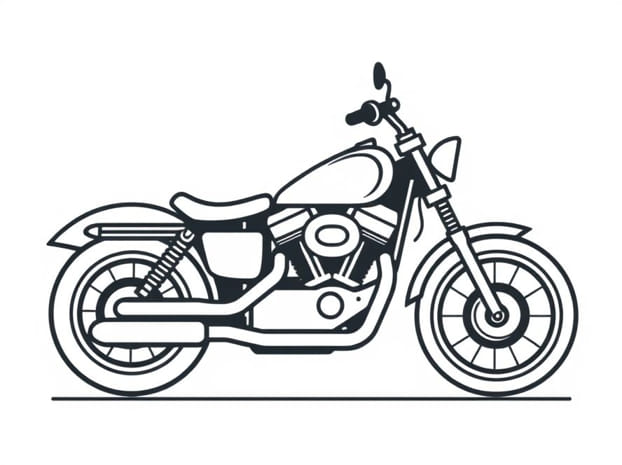
Harley Vacuum Petcock Bypass
Harley-Davidson motorcycles are known for their iconic design, powerful engines, and distinctive riding experience. Among the many mechanical components that contribute to the performance and maintenance of these bikes, the fuel system plays a critical role in ensuring smooth operation. One component of particular interest to riders and mechanics is the vacuum petcock, which regulates fuel flow from the tank to the carburetor. Some Harley enthusiasts and technicians choose to perform a vacuum petcock bypass to address fuel delivery issues, enhance reliability, or simplify maintenance. Understanding the purpose, procedure, and implications of a Harley vacuum petcock bypass is essential for anyone considering this modification.
Understanding the Vacuum Petcock
The vacuum petcock is a specialized fuel valve found on many Harley-Davidson motorcycles, especially those with carbureted engines. Its primary function is to control the flow of gasoline from the fuel tank to the carburetor based on engine vacuum. When the engine is running and producing vacuum, the petcock opens, allowing fuel to flow. When the engine is off, the vacuum disappears, and the petcock closes to prevent fuel from leaking or flooding the carburetor.
Key Components of the Vacuum Petcock
The vacuum petcock consists of several critical parts
- Vacuum diaphragmSenses engine vacuum and controls the opening and closing of the fuel valve.
- Fuel valveMechanically opens or closes to allow or stop fuel flow.
- Fuel filter screenPrevents debris from entering the carburetor and causing blockages.
- Vacuum lineConnects the engine intake to the petcock diaphragm, transmitting the vacuum signal.
This system is designed to provide convenience and safety, reducing the risk of fuel spillage and ensuring that the carburetor only receives fuel when the engine is ready to combust it.
Reasons for a Vacuum Petcock Bypass
While the vacuum petcock is a reliable component, certain situations may lead Harley owners to consider bypassing it. These include
- Fuel delivery issuesA failing vacuum diaphragm can prevent fuel from reaching the carburetor, causing engine hesitation, stalling, or difficulty starting.
- Maintenance simplicityBypassing the petcock allows for a constant flow of fuel, eliminating the need for vacuum-based diagnostics and repairs.
- Aftermarket modificationsRiders who install high-performance carburetors or engines with altered vacuum characteristics may find the stock petcock unreliable.
- ReliabilityOlder motorcycles with worn diaphragms or deteriorated vacuum lines may experience intermittent fuel flow, which can be mitigated by a bypass.
Considerations Before Performing a Bypass
Bypassing the vacuum petcock is not a decision to be taken lightly. It requires careful planning and awareness of potential risks. Key considerations include
- Fuel spillageWithout the petcock controlling fuel flow, there is an increased risk of gasoline leakage if the fuel line is disconnected or damaged.
- Fire hazardConstant fuel flow can pose a safety risk, especially during maintenance or in the event of a crash.
- Legal and warranty implicationsModifying fuel system components may void warranties and could conflict with safety regulations.
Methods of Bypassing the Vacuum Petcock
There are several approaches to bypassing the vacuum petcock, ranging from temporary solutions to permanent modifications. The most common methods include
Direct Fuel Line Connection
This method involves disconnecting the vacuum line and manually routing the fuel line directly from the tank to the carburetor. In some cases, a small inline fuel filter is installed to replace the petcock’s screen. This setup allows fuel to flow continuously, regardless of engine vacuum. While simple and effective, it requires caution to prevent leaks and ensure the fuel line is securely clamped.
Installing a Manual Petcock
Some Harley owners replace the vacuum petcock with a manual fuel valve. This type of petcock allows riders to control fuel flow directly with a lever or knob, eliminating reliance on engine vacuum. Manual petcocks provide more control and can be safer than a simple bypass, as the rider can shut off fuel when the engine is off or during maintenance.
Aftermarket Bypass Kits
Several aftermarket companies offer kits specifically designed for vacuum petcock bypass. These kits often include pre-routed fuel lines, filters, and connectors, making installation safer and more reliable. Kits also provide instructions and components engineered to minimize fuel leaks and maintain proper fuel pressure.
Benefits of a Vacuum Petcock Bypass
When performed correctly, a vacuum petcock bypass offers several benefits
- Consistent fuel deliveryEliminates hesitation caused by a failing vacuum diaphragm.
- Improved reliabilityReduces the likelihood of fuel flow issues on older motorcycles.
- Simplified maintenanceRiders no longer need to troubleshoot vacuum lines or diaphragms.
- Enhanced performance for modified enginesEnsures a steady fuel supply in high-performance or aftermarket setups.
Potential Drawbacks
Despite its advantages, a bypass is not without risks. Continuous fuel flow can lead to leaks, increased fire risk, and potential fuel wastage. Riders must ensure all fuel lines are secure and consider adding a shutoff valve for safety. Additionally, bypassing the vacuum petcock may alter the original functionality of the motorcycle, which could impact resale value or authenticity for collectors.
Maintenance Tips After Bypass
Once a bypass is installed, regular maintenance is crucial to ensure safe and reliable operation
- Check fuel lines for wear, cracks, or leaks regularly.
- Ensure clamps and fittings remain tight to prevent fuel spillage.
- Consider installing a manual shutoff valve near the tank for added safety.
- Monitor fuel flow and carburetor performance to detect blockages or issues early.
The Harley vacuum petcock is an essential component for controlling fuel flow and maintaining safe operation of the motorcycle. However, for riders experiencing fuel delivery issues, or for those with modified engines, a vacuum petcock bypass can provide a practical solution. Understanding the function of the vacuum petcock, the methods of bypassing it, and the associated risks is crucial for making an informed decision. By carefully implementing a bypass and following maintenance best practices, Harley owners can enjoy consistent fuel delivery, improved reliability, and simplified maintenance while riding with confidence and safety.