Hanukkah Celebrates The Maccabees Victory Over The
Hanukkah is a Jewish festival that celebrates the Maccabees’ victory over oppressive rulers and the rededication of the Second Temple in Jerusalem. This holiday, also known as the Festival of Lights, commemorates a pivotal moment in Jewish history when a small group of Jewish rebels, the Maccabees, successfully resisted the forces of King Antiochus IV of the Seleucid Empire. The festival is observed for eight days and nights and holds deep cultural, religious, and historical significance, highlighting themes of perseverance, faith, and the triumph of light over darkness. Understanding the story behind Hanukkah provides insight into why it continues to be celebrated by Jewish communities around the world.
The Historical Background of Hanukkah
The events that led to the celebration of Hanukkah occurred in the 2nd century BCE. During this time, the Seleucid Empire controlled much of the Jewish homeland, including Judea. King Antiochus IV sought to Hellenize the Jewish people by imposing Greek culture, prohibiting Jewish religious practices, and desecrating the Second Temple. This provocation led to a Jewish uprising led by a priestly family known as the Maccabees. Despite being vastly outnumbered, the Maccabees demonstrated remarkable courage and strategic skill, eventually reclaiming Jerusalem and restoring the Temple.
The Maccabean Revolt
The Maccabean Revolt, led by Judah Maccabee and his brothers, was a significant turning point in Jewish history. The revolt lasted several years and involved guerrilla warfare, strategic alliances, and resilience against a powerful occupying force. The victory of the Maccabees was not only a military success but also a spiritual triumph. They restored Jewish worship practices and reaffirmed their commitment to the faith, ensuring the survival of Jewish traditions in the face of external threats.
- Resistance against Hellenization and cultural oppression
- Strategic military campaigns led by the Maccabees
- Restoration of religious freedom and Temple worship
- Inspiration for future generations of Jewish resilience
The Miracle of the Oil
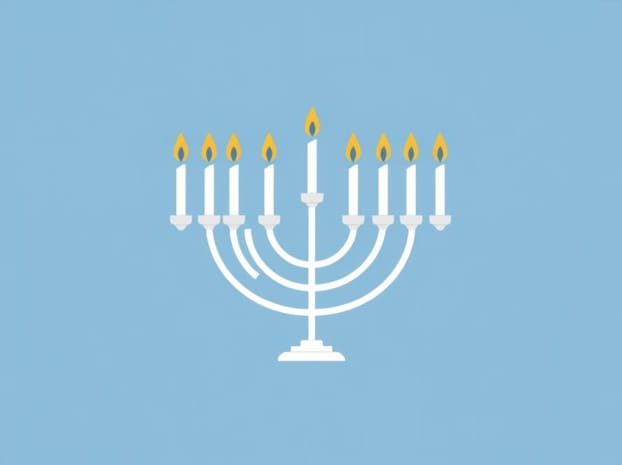
One of the most famous aspects of the Hanukkah story is the miracle of the oil. When the Maccabees reclaimed the Second Temple, they sought to relight the menorah, the sacred candelabrum, but found only a small jar of consecrated oil. Miraculously, this small amount of oil burned for eight days, long enough to prepare more consecrated oil. This event is commemorated during Hanukkah by lighting the menorah for eight nights, symbolizing faith, divine intervention, and the enduring spirit of the Jewish people.
Significance of the Eight Nights
Each night of Hanukkah, an additional candle is lit on the menorah, progressing from one candle on the first night to eight on the final night. The act of lighting the menorah serves as a reminder of the miracle of the oil and the perseverance of the Jewish community. Families gather together, recite prayers, and sing traditional songs, creating a sense of unity and reflection on the lessons of the past.
- Lighting candles symbolizes the triumph of light over darkness
- Encourages reflection on faith, perseverance, and hope
- Strengthens family and community bonds
- Provides an opportunity for teaching children about Jewish history
Traditional Practices and Celebrations
Hanukkah is marked by a variety of customs and traditions that combine religious observance with cultural celebration. Families often play the dreidel game, a spinning top game that teaches about the historical events of the Maccabean revolt. Traditional foods, such as latkes (potato pancakes) and sufganiyot (jelly-filled doughnuts), are fried in oil to symbolize the miracle of the oil. Gift-giving, communal gatherings, and public menorah lightings are also common, emphasizing the festival’s themes of joy, gratitude, and remembrance.
Cultural and Religious Significance
Beyond its historical roots, Hanukkah carries deep cultural and religious significance. It serves as a reminder of the resilience of the Jewish people in maintaining their identity and traditions under adversity. The festival reinforces values of courage, faith, and perseverance while providing an opportunity to celebrate community and heritage. Hanukkah is also a time for educating younger generations about the historical struggles and achievements of their ancestors, ensuring that the story of the Maccabees and the miracle of the oil continues to inspire future generations.
- Dreidel games and educational storytelling
- Traditional foods cooked in oil
- Community and family gatherings
- Public menorah ceremonies and celebrations
Hanukkah in Modern Times
Today, Hanukkah is celebrated by Jewish communities worldwide, with variations in customs and traditions depending on cultural and regional differences. While the religious and historical significance remains central, modern celebrations often include festive decorations, musical performances, and community events. The festival has also become a symbol of cultural identity and pride, providing an opportunity to share Jewish heritage with broader society.
Global Observances
In many countries, public menorah lightings and community events are organized to celebrate Hanukkah. Schools, synagogues, and Jewish organizations participate in educational programs to teach about the historical significance of the Maccabees’ victory and the miracle of the oil. These global observances help maintain the cultural relevance of Hanukkah and promote understanding of Jewish traditions among diverse populations.
- Public menorah lighting ceremonies
- Educational programs in schools and communities
- Celebration of Jewish heritage and cultural pride
- Integration of modern elements into traditional observances
Hanukkah is a celebration that honors the Maccabees’ victory over oppressive forces and the rededication of the Second Temple in Jerusalem. Through the lighting of the menorah, playing of dreidel games, and preparation of traditional foods, Jewish communities worldwide remember the courage, perseverance, and faith of their ancestors. The festival’s emphasis on the miracle of the oil and the triumph of light over darkness continues to resonate, making Hanukkah not only a historical commemoration but also a celebration of hope, resilience, and cultural identity. By observing Hanukkah, families and communities preserve their heritage while inspiring future generations to uphold the values of courage, faith, and unity.