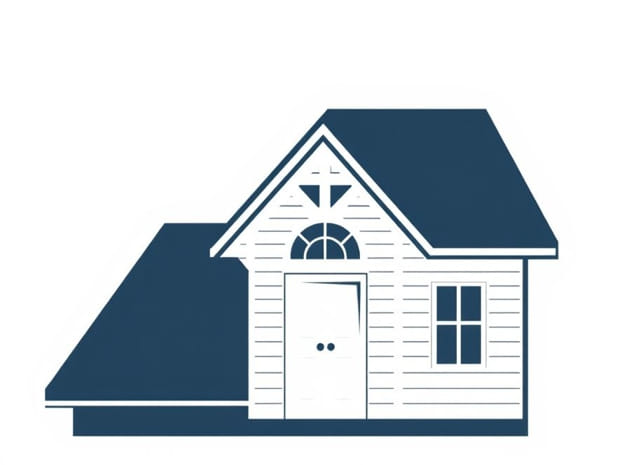
Half Hipped Gable Roof
The half hipped gable roof, sometimes referred to as a clipped gable or jerkinhead roof, is a distinctive architectural feature that combines the characteristics of both gable and hip roof styles. This type of roof has been used in various architectural designs for centuries, offering both aesthetic appeal and functional benefits. Homeowners, architects, and builders often choose half hipped gable roofs for their unique appearance, durability, and ability to withstand harsh weather conditions, making them a versatile option in residential and commercial architecture.
Understanding the Half Hipped Gable Roof
A half hipped gable roof features a standard gable design on the main portion of the roof but has its upper edges sloped back toward the roof’s ridge, forming small hip sections at each end. Unlike a full hip roof, which slopes on all four sides, the half hipped gable retains a portion of the vertical gable, creating a hybrid roof shape. This design provides both the vertical space benefits of a gable roof and the stability advantages of a hip roof, making it an attractive option for many building projects.
Design Characteristics
The most recognizable characteristic of a half hipped gable roof is the clipped or truncated ends of the gable. Instead of the gable walls extending all the way to the roof’s peak, the upper edges slope inward, forming small hipped sections. This creates a softer, more refined roofline compared to a traditional gable and adds architectural interest to the home’s exterior. The slope of the hip sections can vary depending on design preferences, structural requirements, and regional styles.
Functional Advantages
Half hipped gable roofs offer several functional advantages over other roof types. Some of these benefits include
- Wind ResistanceThe clipped ends reduce wind pressure on the gable walls, making the roof more stable in high-wind areas.
- Enhanced DrainageThe sloping hip sections help direct rainwater away from the roof, reducing the risk of leaks and water damage.
- Increased Attic SpaceRetaining part of the gable allows for taller walls inside the attic, providing additional storage or living space.
- Aesthetic AppealThe hybrid design adds visual interest and elegance, complementing various architectural styles.
Comparison to Other Roof Types
When considering roof styles, it is important to understand how half hipped gable roofs differ from traditional gable and full hip roofs.
Half Hipped vs. Traditional Gable Roof
Traditional gable roofs have two sloping sides that meet at a central ridge, forming a triangular shape. While gable roofs provide excellent interior height and efficient water drainage, they can be more vulnerable to wind damage due to the vertical gable ends. Half hipped gable roofs address this vulnerability by clipping the gable ends and introducing small hip slopes, reducing wind pressure and increasing structural stability while maintaining much of the interior space advantage.
Half Hipped vs. Full Hip Roof
Full hip roofs slope down on all four sides, providing superior wind resistance and drainage. However, full hip roofs typically reduce the vertical space within the attic compared to gable designs. Half hipped gable roofs offer a compromise by providing some vertical wall space inside the attic while still gaining some of the structural benefits of a hipped design. This makes half hipped gables a popular choice for homes in regions prone to high winds but where interior height is desirable.
Materials and Construction
Half hipped gable roofs can be constructed using a wide range of materials, depending on the desired style, budget, and regional climate conditions. Common roofing materials include asphalt shingles, metal panels, clay or concrete tiles, and slate. Each material offers specific benefits in terms of durability, maintenance, and aesthetic appeal. The construction process typically involves framing the gable and hip sections carefully to ensure structural integrity and proper alignment of the roof planes.
Framing Considerations
Framing a half hipped gable roof requires precise measurement and planning to integrate the gable and hip sections smoothly. Rafters or trusses must be designed to support the weight of the roof material while allowing for the distinctive clipped ends. Builders often use specialized techniques to ensure that the hip sections blend seamlessly with the main gable, preventing weak points and ensuring long-term stability. Proper ventilation and insulation are also crucial to maintain energy efficiency and prevent moisture buildup within the attic space.
Architectural Styles Featuring Half Hipped Gable Roofs
Half hipped gable roofs are versatile and can be found in a variety of architectural styles, including
- TudorMany Tudor-style homes feature clipped gables, adding charm and historic appeal.
- CraftsmanIn Craftsman homes, half hipped gables complement exposed rafters and decorative brackets.
- Colonial RevivalThis roof style provides elegance and symmetry while enhancing attic space.
- European-inspired VillasHalf hipped gables add sophistication and classical proportions to villa designs.
Maintenance and Longevity
Maintaining a half hipped gable roof involves regular inspections, cleaning, and timely repairs. The hybrid design may require slightly more attention at the junctions between gable and hip sections, where water and debris can accumulate. Routine maintenance, including checking for damaged shingles, flashing issues, or clogged gutters, ensures the roof’s longevity. When properly maintained, a half hipped gable roof can last several decades, providing both aesthetic appeal and structural benefits.
Common Issues to Monitor
- Leakage at the intersection of gable and hip sections
- Wind damage to exposed roof edges
- Accumulation of debris in valleys or near eaves
- Wear and tear of roofing materials over time
The half hipped gable roof is a unique architectural solution that merges the best features of gable and hip designs. With its clipped gable ends, this roof style enhances wind resistance, improves water drainage, and adds a visually appealing dimension to homes. It offers a balance between attic space and structural stability, making it suitable for a variety of architectural styles, from Tudor and Craftsman to Colonial Revival and European-inspired villas. Proper construction, material selection, and maintenance are essential to maximizing the longevity and performance of a half hipped gable roof. For homeowners and architects seeking a roof that combines elegance, functionality, and durability, the half hipped gable remains a compelling choice in modern and historic architecture alike.