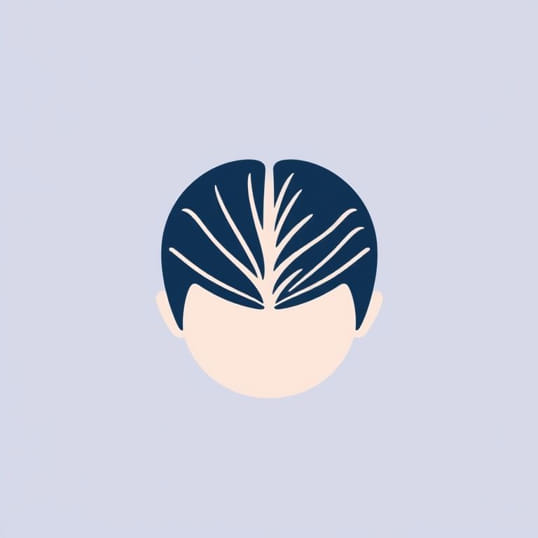
Hair Loss Androgenic Alopecia
Androgenic alopecia, commonly known as male or female pattern baldness, is one of the most prevalent forms of hair loss affecting millions of people worldwide. This condition results in gradual hair thinning and, in many cases, noticeable bald patches that can significantly affect self-esteem and confidence. Understanding the causes, progression, and treatment options for androgenic alopecia is essential for managing hair loss effectively. Both men and women experience this condition, though the patterns and timelines of hair loss can differ significantly depending on gender, genetics, and hormonal influences.
Causes of Androgenic Alopecia
Androgenic alopecia is primarily influenced by genetics and hormones. The condition occurs due to the sensitivity of hair follicles to dihydrotestosterone (DHT), a derivative of testosterone. DHT binds to receptors in hair follicles, causing them to shrink over time, which shortens the growth phase of hair and produces thinner, shorter strands. This process, known as follicular miniaturization, gradually leads to noticeable hair thinning and eventual hair loss in affected areas.
Genetic Factors
Family history plays a crucial role in determining the risk of androgenic alopecia. Individuals with close relatives who experienced early hair loss are more likely to develop the condition. Multiple genes are believed to contribute to the susceptibility of hair follicles to DHT, making some individuals more prone to pattern baldness than others.
Hormonal Influence
Hormones, particularly androgens such as testosterone and DHT, are key factors in androgenic alopecia. Increased sensitivity of hair follicles to DHT accelerates the miniaturization process. In men, this typically manifests as a receding hairline and thinning at the crown, while in women, hair loss often presents as diffuse thinning across the scalp without a receding hairline.
Patterns of Hair Loss
Understanding the typical patterns of androgenic alopecia helps in early diagnosis and management. Hair loss patterns differ between men and women, and recognizing these differences can guide appropriate treatment options.
Male Pattern Hair Loss
In men, androgenic alopecia usually begins with a receding hairline at the temples, followed by thinning at the crown. Over time, these areas may expand, potentially leaving only a band of hair around the sides and back of the scalp. This pattern is classified using the Norwood scale, which describes the stages of hair loss from early recession to advanced baldness.
Female Pattern Hair Loss
Women typically experience a more diffuse pattern of thinning. The frontal hairline is often preserved, but the parting becomes wider, and overall hair density decreases. Female hair loss is usually less severe than male pattern baldness, but it can still significantly impact confidence and appearance. The Ludwig scale is commonly used to classify the stages of female pattern hair loss.
Diagnosis of Androgenic Alopecia
Diagnosing androgenic alopecia involves a combination of medical history, physical examination, and sometimes laboratory tests. A dermatologist or hair specialist will examine the pattern of hair loss and may perform scalp biopsies or blood tests to rule out other causes such as thyroid disorders, nutritional deficiencies, or autoimmune conditions. Early diagnosis is important, as timely treatment can slow progression and improve outcomes.
Signs to Watch For
- Gradual thinning of hair on the scalp, especially at the temples, crown, or parting.
- Increased hair shedding during brushing or washing.
- Noticeable reduction in hair density over several months.
- Family history of pattern baldness.
Treatment Options
While androgenic alopecia cannot be completely cured, several treatments are available to slow hair loss, promote regrowth, and improve hair density. The effectiveness of treatment varies depending on the severity of hair loss, age, and individual response.
Medications
Two FDA-approved medications are commonly used for treating androgenic alopecia
- MinoxidilA topical solution or foam applied directly to the scalp that stimulates hair growth and slows thinning. It is suitable for both men and women.
- FinasterideAn oral medication for men that reduces DHT levels, slowing hair loss and promoting regrowth. It is not typically recommended for women of childbearing age.
Hair Transplant Surgery
For individuals with advanced hair loss, hair transplant surgery offers a more permanent solution. This procedure involves relocating hair follicles from areas of dense growth to thinning or bald areas. Techniques such as follicular unit transplantation (FUT) and follicular unit extraction (FUE) provide natural-looking results with minimal scarring.
Non-Surgical Options
Alternative treatments include low-level laser therapy (LLLT), platelet-rich plasma (PRP) injections, and specialized hair growth shampoos and supplements. These options may help improve hair density and stimulate growth, though results can vary. Consistent use and professional guidance are important for achieving optimal outcomes.
Lifestyle and Preventive Measures
In addition to medical treatments, certain lifestyle habits can support hair health and potentially slow the progression of androgenic alopecia
- Maintaining a balanced diet rich in vitamins and minerals such as biotin, zinc, and iron.
- Managing stress through exercise, meditation, or relaxation techniques.
- Avoiding harsh hair treatments or excessive heat styling.
- Regular scalp care to keep follicles healthy.
Psychological Impact
Hair loss can significantly affect emotional well-being, self-esteem, and social confidence. Individuals experiencing androgenic alopecia may face anxiety, depression, or embarrassment. Seeking support through counseling, support groups, or talking to a healthcare professional can help manage the psychological effects of hair loss.
Tips for Coping
- Experimenting with hairstyles, wigs, or hairpieces to boost confidence.
- Connecting with others experiencing similar conditions for support.
- Focusing on overall health and wellness to improve self-esteem.
Androgenic alopecia is a common form of hair loss driven by genetics and hormonal influences. Understanding the causes, recognizing the patterns of male and female hair loss, and seeking early diagnosis are crucial for effective management. While no cure exists, a combination of medications, surgical interventions, and lifestyle strategies can slow progression and improve hair density. Psychological support and coping strategies also play an important role in maintaining confidence and emotional health. By addressing androgenic alopecia proactively, individuals can achieve better hair management and maintain a positive outlook despite the challenges of hair loss.