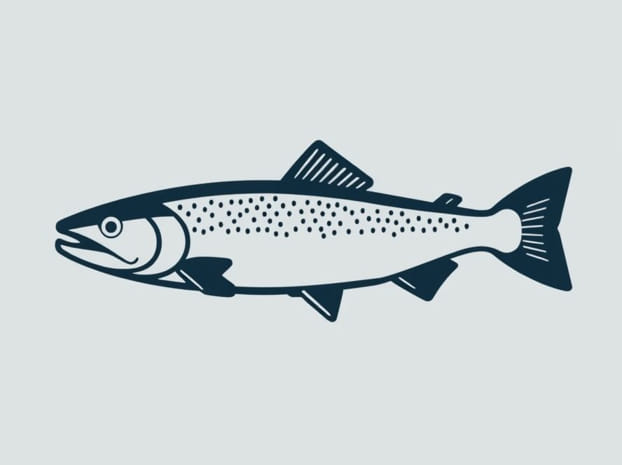
Habitat Of Chinook Salmon
The habitat of Chinook salmon is a complex network of freshwater rivers, streams, and estuaries that ultimately connects to the Pacific Ocean. These environments provide critical resources for different stages of the Chinook salmon’s life cycle, from spawning and juvenile development to migration and adulthood. Understanding the specific habitat requirements of Chinook salmon is essential for conservation efforts, sustainable fisheries management, and protecting the biodiversity of aquatic ecosystems. The intricate balance of temperature, water quality, and food availability in these habitats ensures the survival and growth of this iconic species.
Freshwater Spawning Grounds
Chinook salmon are anadromous, meaning they are born in freshwater, migrate to the ocean to grow, and return to freshwater to spawn. The spawning grounds of Chinook salmon are typically located in rivers and streams with gravelly bottoms, where the fish can lay their eggs safely. Clear, oxygen-rich water is essential for successful egg development. These freshwater habitats often feature slow-moving pools interspersed with riffles, which provide shelter for eggs and juvenile fish while allowing water to circulate nutrients and oxygen.
Importance of River and Stream Quality
The quality of rivers and streams is crucial for Chinook salmon survival. Factors such as water temperature, pH, turbidity, and pollutant levels can directly impact egg survival and juvenile growth. Rivers with abundant gravel beds and natural flow patterns create ideal conditions for nest building, known as redds. Maintaining riparian vegetation along the banks helps stabilize soil, filter pollutants, and provide shade, which regulates water temperature. Protecting these freshwater systems is a primary focus for conservationists aiming to sustain healthy Chinook salmon populations.
Juvenile Habitat and Rearing Areas
After hatching, juvenile Chinook salmon, called fry or parr, require calm, sheltered areas for growth and protection from predators. Shallow side channels, backwaters, and flooded wetlands serve as vital nursery habitats. These areas provide abundant invertebrate prey, low predation risk, and stable environmental conditions. The complexity of these rearing habitats, including submerged vegetation and woody debris, enhances survival rates by offering cover and foraging opportunities.
Role of Freshwater Estuaries
Estuaries, where rivers meet the ocean, are transitional habitats for juvenile Chinook salmon preparing for their marine migration. These areas provide brackish water environments rich in nutrients and food sources. Estuaries act as a staging ground for smoltification, the physiological process that enables juveniles to adapt from freshwater to saltwater conditions. Healthy estuaries with diverse plant and invertebrate life are critical to successful migration and overall population stability.
Marine Habitat of Adult Chinook Salmon
Once Chinook salmon enter the ocean, they inhabit coastal and offshore marine waters for several years as they grow to maturity. Ocean habitats provide abundant prey, including small fish, squid, and crustaceans, allowing Chinook salmon to gain the energy and size required for their eventual return to freshwater to spawn. The open ocean environment is also characterized by seasonal migration patterns, which guide the fish to productive feeding grounds in alignment with ocean currents and temperature variations.
Feeding and Migration Patterns
Chinook salmon exhibit extensive migration throughout their marine phase. They often travel hundreds or even thousands of kilometers to reach nutrient-rich waters where they can feed and grow. These migrations are guided by environmental cues such as water temperature, daylight length, and food availability. Predation risk is higher in marine habitats, so schooling behavior and movement patterns help reduce vulnerability. Ocean habitats are crucial for energy accumulation, reproductive readiness, and the continuation of the species’ life cycle.
Factors Affecting Chinook Salmon Habitat
The health of Chinook salmon habitats is influenced by a variety of environmental and human-related factors. Changes in water temperature, pollution, habitat fragmentation, and overfishing can severely impact both freshwater and marine environments. Dam construction, river channelization, and deforestation of riparian zones disrupt natural water flow and sedimentation patterns, affecting spawning success. Climate change is also altering ocean and river temperatures, impacting food availability and migration timing.
Human Impacts and Conservation Efforts
Conservation of Chinook salmon habitats requires integrated management strategies addressing both freshwater and marine environments. Efforts include river restoration, removal of migration barriers, reforestation of riparian zones, and protection of estuaries. Sustainable fishing regulations help prevent overexploitation, while monitoring programs track population health and habitat conditions. Community engagement, public awareness campaigns, and collaboration with indigenous groups contribute to effective habitat preservation and long-term survival of Chinook salmon populations.
Critical Habitat Features
Several features are essential for Chinook salmon habitat, ensuring survival through all life stages
- Clean, oxygenated waterEssential for egg survival and juvenile development.
- Gravel bedsRequired for spawning redds and egg protection.
- Riparian vegetationProvides shade, stabilizes banks, and filters pollutants.
- Calm rearing areasSide channels, wetlands, and backwaters for juvenile protection.
- Estuarine transition zonesCritical for smoltification and migration preparation.
- Open ocean feeding groundsRich in prey to support growth and reproductive readiness.
The habitat of Chinook salmon encompasses a wide range of environments, from freshwater rivers and streams to estuaries and offshore marine waters. Each stage of the salmon’s life cycle depends on the availability of clean water, food resources, and safe migration pathways. Protecting these habitats from environmental degradation, human encroachment, and climate-related changes is essential for sustaining healthy populations. Understanding the complex interplay between freshwater and marine habitats enables conservationists, policymakers, and the public to develop strategies that ensure the survival of this iconic species and maintain the ecological integrity of aquatic ecosystems.