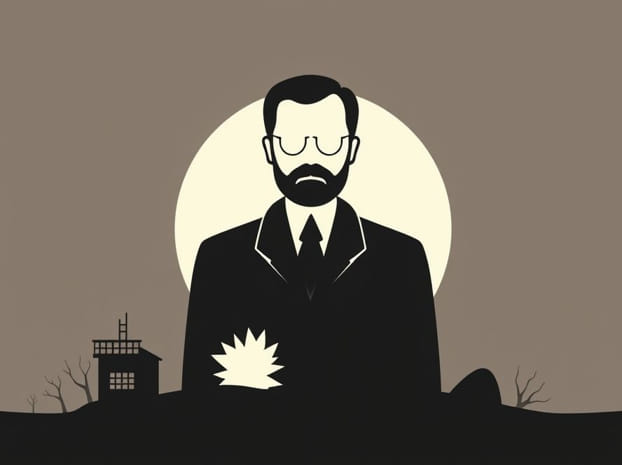
Guy Who Survived Hiroshima And Nagasaki
Among the many tragic stories of World War II, one account stands out as almost unbelievable the man who survived both the Hiroshima and Nagasaki atomic bombings. His name was Tsutomu Yamaguchi, and his life is a powerful reminder of human resilience in the face of unimaginable devastation. His experiences not only illustrate the horrors of nuclear warfare but also highlight how one person’s survival can symbolize the strength of an entire people. Understanding his story helps shed light on history, human endurance, and the lasting lessons of the atomic age.
The First Atomic Bomb Hiroshima
On August 6, 1945, Hiroshima became the first city in the world to experience the destruction of an atomic bomb. Tsutomu Yamaguchi, an engineer working for Mitsubishi Heavy Industries, was in Hiroshima on a business trip at the time. Just as he was preparing to leave the city, the bomb exploded with a blinding flash and unimaginable force. Yamaguchi was less than three kilometers from the hypocenter, close enough to suffer serious injuries but far enough to avoid instant death.
He was thrown into the air, badly burned, and temporarily blinded. His eardrums ruptured, and his body was covered in injuries. Despite the chaos around him flames, collapsed buildings, and the cries of the injured he managed to survive. With extraordinary determination, he sought shelter and received medical care as best as possible in a city overwhelmed by destruction. That alone could have been the defining event of his life, yet it was only the beginning.
The Journey Back to Nagasaki
After surviving Hiroshima, Yamaguchi returned to his hometown of Nagasaki. He believed he had escaped the worst tragedy imaginable, not knowing that fate had something else in store. In Nagasaki, he reunited with his family and reported back to his workplace. Even while still bandaged and suffering from burns, he resumed his duties as an engineer. His sense of duty and perseverance demonstrate the resilience often seen among survivors of war.
But just three days later, on August 9, 1945, Nagasaki became the second city targeted by an atomic bomb. Yamaguchi once again found himself in the middle of destruction an almost unimaginable twist of fate that would etch his name into history.
The Second Atomic Bomb Nagasaki
At 1102 a.m., the second atomic bomb was dropped on Nagasaki. Yamaguchi was at his office when the explosion occurred. Miraculously, he survived again. The reinforced structure of the Mitsubishi building protected him from the worst of the blast, although he sustained additional injuries. This time, however, his family was also in danger. Thankfully, his wife and child also managed to survive, escaping the fate that claimed tens of thousands of others.
To survive one atomic bombing is extraordinary. To survive two is almost beyond comprehension. Tsutomu Yamaguchi became a living witness to both tragedies, experiencing firsthand the devastation of nuclear weapons not once, but twice in the span of three days.
The Aftermath of Survival
Yamaguchi’s survival was not without long-term consequences. He suffered radiation sickness, severe burns, and lifelong health complications. Hair loss, recurring illnesses, and lasting scars became part of his reality. Like many hibakusha, or atomic bomb survivors, he endured both physical and emotional trauma. Yet, he lived for decades after the war, raising a family and building a life in the shadow of his extraordinary survival.
Key long-term struggles included
- Radiation-induced health problems, including increased cancer risk.
- Social stigma, as hibakusha were often discriminated against in Japan due to fears of radiation exposure.
- Psychological trauma from witnessing mass death and destruction twice.
Despite these difficulties, Yamaguchi lived to the age of 93, passing away in 2010. His longevity was itself a testament to his remarkable resilience.
A Voice for Peace
Later in life, Tsutomu Yamaguchi shared his story with the world. For decades, he spoke about the horrors he had witnessed, using his experience to advocate for nuclear disarmament. He believed that his survival carried a responsibility to warn future generations of the catastrophic consequences of nuclear warfare. His testimony became an important part of the global movement against nuclear weapons.
Some of his contributions included
- Speaking publicly about his experiences in both Hiroshima and Nagasaki.
- Appearing in documentaries and interviews to spread awareness.
- Becoming a symbol of the anti-nuclear movement, representing hibakusha voices worldwide.
By sharing his personal account, Yamaguchi ensured that the suffering of Hiroshima and Nagasaki would not be forgotten. His words gave human depth to historical events often reduced to statistics and political debates.
The Recognition of His Experience
For many years, Yamaguchi was recognized as a survivor of Nagasaki, but not officially acknowledged as a survivor of both bombings. It was not until 2009, only a year before his death, that the Japanese government formally certified him as the only known person to have survived both Hiroshima and Nagasaki. This recognition underscored the uniqueness of his experience and cemented his place in history.
The Symbolism of His Story
Tsutomu Yamaguchi’s survival holds deep symbolic meaning. It is a story about luck, resilience, and human endurance, but also about the dangers of nuclear weapons. He represents not just the physical survival of one man, but also the survival of humanity’s spirit in the face of overwhelming destruction. His life encourages reflection on the destructive power humans possess and the importance of working toward peace.
Lessons from His Survival
The story of the man who survived Hiroshima and Nagasaki teaches us several important lessons
- The fragility of lifeEven in the face of massive destruction, survival can come down to chance and circumstance.
- The resilience of the human spiritDespite severe injuries and trauma, Yamaguchi continued to live, work, and raise a family.
- The responsibility of memorySurvivors like Yamaguchi carried the burden of reminding the world of the consequences of war.
- The call for peaceHis advocacy highlights the need for international cooperation to prevent future nuclear tragedies.
Final Reflections
Tsutomu Yamaguchi’s story is not just about one man’s incredible survival it is about the broader human capacity to endure and find meaning after tragedy. Surviving both atomic bombings made him unique, but his decision to use that experience for peace made him extraordinary. His life reminds us that history is not only about wars and politics but also about individuals who carry the weight of those events. Through his survival and his voice, Yamaguchi became a bridge between the horrors of the past and the hope for a future without nuclear weapons.
In the end, the man who survived Hiroshima and Nagasaki leaves us with a lesson that is both simple and profound even in the darkest of times, humanity can find resilience, and even in the face of destruction, there can be a voice calling for peace.