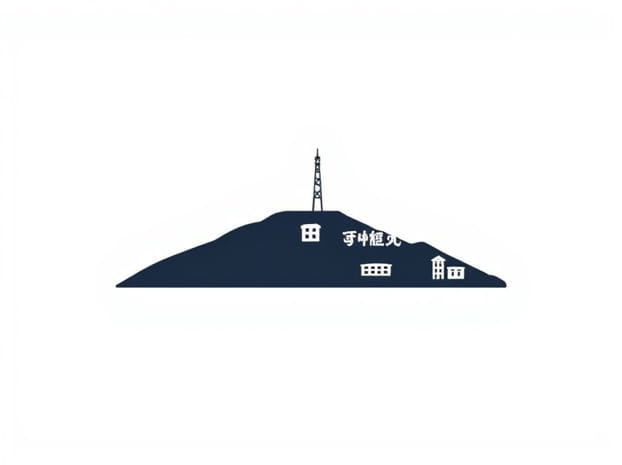
Gunkanjima Island Nagasaki Japan
Gunkanjima Island, also known as Hashima, is a small, abandoned island located approximately 20 kilometers from Nagasaki, Japan. Once a thriving coal mining facility, it now stands as a haunting reminder of Japan’s rapid industrialization during the Meiji era. The island’s unique silhouette, resembling a battleship, has earned it the nickname Battleship Island” or “Gunkanjima” in Japanese. Despite its eerie atmosphere, Gunkanjima has become a popular tourist destination, attracting visitors interested in its rich history and decaying architecture.
Historical Significance
The history of Gunkanjima dates back to the early 19th century when coal was first discovered in the area. In 1890, Mitsubishi began large-scale undersea coal mining operations on the island, leading to its rapid development. By the 1950s, Gunkanjima had become one of the most densely populated places on Earth, with over 5,000 residents living on the 6.3-hectare island. The community was self-sufficient, featuring schools, hospitals, shops, and even a baseball field. However, as petroleum replaced coal as the primary energy source, the island’s coal mines became obsolete, leading to the closure of the mines in 1974. The residents were evacuated, and the island was abandoned, leaving behind a ghostly landscape of crumbling concrete buildings and overgrown vegetation.
UNESCO World Heritage Site
In 2015, Gunkanjima was designated as a UNESCO World Cultural Heritage Site as part of the “Sites of Japan’s Meiji Industrial Revolution Iron and Steel, Shipbuilding, and Coal Mining Industries.” This recognition highlights the island’s role in Japan’s industrial history and its significance in the development of modern industrial practices. The designation has also led to increased interest in preserving the island’s remaining structures and educating the public about its history.
Visiting Gunkanjima
Access to Gunkanjima is strictly regulated to ensure visitor safety. The only way to reach the island is through guided boat tours that depart from Nagasaki. These tours typically last around three hours and include a guided walk around the island, allowing visitors to explore the remains of the coal mine, residential buildings, and other structures. Due to safety concerns, only a limited portion of the island is accessible to tourists, and visitors are required to sign a safety agreement before embarking on the tour.
Tour Operators and Regulations
- Gunkanjima ConciergeOffers various tour packages, including landing and non-landing tours. Reservations are recommended in advance.
- Gunkanjima CruiseProvides guided boat tours with knowledgeable guides who share insights into the island’s history.
- Safety RegulationsVisitors must adhere to all safety instructions provided by the tour operators. Access to certain areas of the island is restricted due to unstable structures and potential hazards.
Photography and Filming
Gunkanjima’s dramatic ruins and desolate landscape make it a popular subject for photographers and filmmakers. The island’s appearance has been featured in various media, including the James Bond film “Skyfall,” where it served as the backdrop for the villain’s lair. Photography is permitted during guided tours, but visitors should be mindful of safety and respect any restrictions imposed by the tour operators.
Preservation Efforts
Efforts to preserve Gunkanjima are ongoing, with initiatives aimed at stabilizing the remaining structures and preventing further deterioration. The Japanese government, in collaboration with local authorities and preservation organizations, is working to maintain the island’s historical integrity while ensuring the safety of visitors. However, due to the fragile condition of many buildings, access to certain areas remains limited.
Gunkanjima Island stands as a testament to Japan’s rapid industrialization and the transient nature of human settlements. Its haunting ruins offer a glimpse into a bygone era and serve as a poignant reminder of the challenges faced during the nation’s industrial revolution. For those interested in history, architecture, or photography, a visit to Gunkanjima provides a unique and thought-provoking experience.