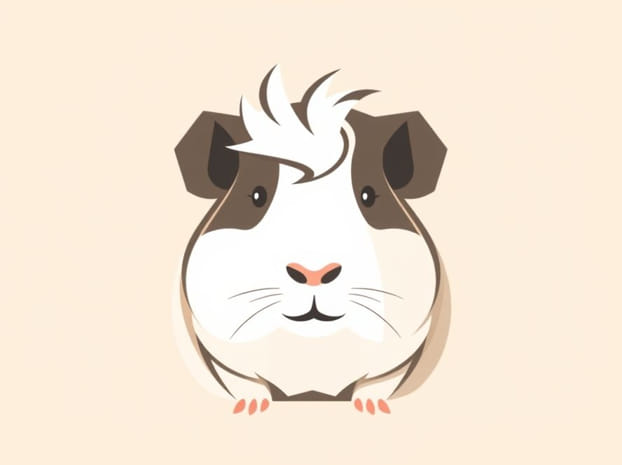
Guinea Pig With Cowlick On Head
Guinea pigs are popular pets known for their gentle personalities, social behavior, and distinctive appearances. One feature that often catches the eye of guinea pig owners is a cowlick on the head, a small tuft of fur that grows in a different direction from the rest of the coat. This unique characteristic can make a guinea pig appear especially charming or quirky, and it sometimes raises questions about care, grooming, and the health implications of having a cowlick. Understanding what cowlicks are, why they occur, and how to manage them can help owners ensure their guinea pig stays healthy, comfortable, and visually appealing.
What Is a Cowlick in Guinea Pigs?
A cowlick is a section of fur that grows in a swirl or opposite direction from the surrounding hair. In guinea pigs, cowlicks often appear on the head, but they can also be present on other parts of the body. Cowlicks are purely cosmetic and generally do not indicate any underlying health issues. They result from the natural growth pattern of hair follicles, which determines the direction in which the fur grows. Some guinea pig breeds, such as Abyssinians, are particularly known for having multiple cowlicks or rosettes across their bodies.
Types of Cowlicks in Guinea Pigs
- Single CowlickA small tuft of hair that grows in a different direction, usually located on the forehead.
- Double CowlickTwo tufts of hair on the head, often forming a symmetrical pattern.
- RosettesSwirls of hair commonly found in Abyssinian guinea pigs, which can involve several cowlicks across the body.
Why Do Guinea Pigs Have Cowlicks?
The primary reason guinea pigs have cowlicks is genetics. Hair follicle orientation is inherited, and certain breeds are more likely to display these unique fur patterns. Environmental factors, such as grooming habits and the way the fur is handled during handling or brushing, can temporarily influence the appearance of a cowlick but do not change its natural growth pattern. Cowlicks are simply a part of a guinea pig’s natural coat and add to their individual personality and charm.
Breed Considerations
Some guinea pig breeds are more prone to having cowlicks
- AbyssinianKnown for multiple rosettes that create a textured, cowlick-rich coat.
- PeruvianLong-haired guinea pigs whose hair may grow in unusual directions, sometimes forming cowlicks.
- Silkie or SheltieThese long-haired breeds may have head cowlicks that are more noticeable due to the length and smoothness of the fur.
Caring for a Guinea Pig with a Cowlick
Guinea pigs with cowlicks require the same care as those without, but there are a few grooming tips to ensure their fur stays healthy and tangle-free. Cowlicks can sometimes make brushing more challenging, especially in long-haired breeds, because the hair grows in different directions. Regular grooming is essential to prevent mats and maintain a neat appearance.
Grooming Tips
- Use a soft-bristled brush or wide-tooth comb to gently detangle the cowlick without pulling on the fur.
- Brush in the direction the fur grows to reduce stress and discomfort for the guinea pig.
- Check for tangles or debris around the cowlick area, especially if the guinea pig is housed with other pets or spends time in bedding.
- Trim long or unruly fur around the cowlick if necessary, but avoid cutting too close to the skin.
Health Considerations
While cowlicks are usually harmless, they can sometimes hide underlying issues if not properly monitored. For example, the fur around a cowlick can trap dirt, urine, or fecal matter, potentially leading to skin irritation or infection. Owners should observe the skin beneath the cowlick for redness, sores, or abnormal odor, which may indicate a problem. Maintaining proper hygiene and regular grooming reduces the risk of these complications.
Signs to Watch For
- Redness or inflammation under the cowlick
- Excessive scratching or grooming by the guinea pig
- Hair loss or bald patches around the cowlick
- Unusual odor from the fur or skin
Fun Facts About Cowlicks in Guinea Pigs
Cowlicks are not only a distinctive feature but can also add character and individuality to each guinea pig. Some owners enjoy styling or arranging the cowlick, especially for shows or photography. Unlike human hair cowlicks, which can sometimes be difficult to manage, guinea pig cowlicks generally require minimal intervention and are more of an endearing trait than a grooming challenge.
Social and Behavioral Considerations
Guinea pigs do not appear to be affected by cowlicks in terms of their behavior or social interactions. They continue to play, eat, and interact normally with their owners and other guinea pigs. The main concern is cosmetic and hygiene-related, rather than any impact on the pet’s overall well-being.
A guinea pig with a cowlick on its head is a delightful example of how unique and charming these small pets can be. Cowlicks are a natural part of the guinea pig’s fur growth pattern, influenced primarily by genetics, and they do not generally indicate any health problems. Proper grooming and monitoring for skin issues are important, especially for long-haired breeds, to keep the pet comfortable and healthy. By understanding and embracing the quirks of a cowlick, guinea pig owners can enjoy the added personality and individuality it brings to their pet, making grooming and care an enjoyable part of the bond between owner and guinea pig.