Grizzly Bear Mistaken As Polar Bear
In the world of wildlife, it is not uncommon for people to mistake one species for another, especially when they share similar habitats or physical traits. A common confusion happens when a grizzly bear is mistaken as a polar bear. Both animals are among the most iconic bear species, and their similarities in size, strength, and presence in northern regions make them easy to confuse at first glance. However, a closer look at their features, behavior, and habitats shows that grizzly bears and polar bears are very different creatures. Understanding these distinctions is important not only for wildlife enthusiasts but also for travelers, researchers, and conservationists who wish to appreciate them safely and responsibly.
Why a Grizzly Bear May Be Mistaken for a Polar Bear
There are several reasons why a grizzly bear might be mistaken as a polar bear. Both species are large, powerful carnivores that can weigh several hundred kilograms, and from a distance, their general shape and size may look similar. Additionally, environmental conditions like snow, fog, or low lighting can make a darker grizzly bear appear paler, increasing the chances of confusion. In rare cases, hybrid bears known as pizzly bears or grolar bears have been documented, further complicating identification. These hybrids inherit traits from both species and can cause observers to wonder whether they are looking at a grizzly or polar bear.
Physical Differences Between Grizzly Bears and Polar Bears
When seen up close, grizzly bears and polar bears are easy to tell apart. Their physical traits are shaped by their respective environments and survival needs.
Grizzly Bear Features
- Brown to dark fur, sometimes appearing blond in certain lighting.
- A distinct shoulder hump made of strong muscles used for digging.
- Smaller, rounded ears and a concave facial profile.
- Claws adapted for digging roots and tearing into soil.
Polar Bear Features
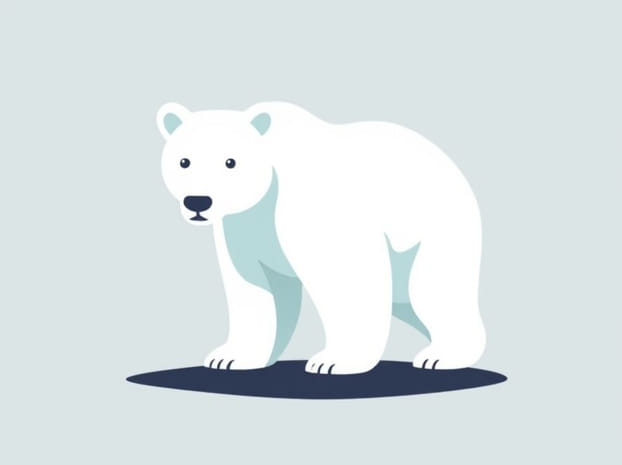
- Thick white to yellowish fur, providing camouflage in snowy environments.
- No shoulder hump, as they do not rely on digging like grizzlies.
- Longer neck and narrow skull with a straighter profile.
- Paws adapted for swimming, with partially webbed toes and rough pads for traction on ice.
Habitats and Range
The habitat where the bear is spotted is one of the biggest clues in identifying whether it is a grizzly bear or a polar bear. Grizzly bears are commonly found in forests, mountains, and river valleys across North America, including Alaska, western Canada, and parts of the northwestern United States. Polar bears, on the other hand, are highly specialized for Arctic life. They roam sea ice in search of seals and are rarely found far from frozen habitats. In recent years, however, the loss of sea ice due to climate change has forced polar bears further inland, sometimes overlapping with grizzly bear territories.
Behavioral Clues
Observing behavior can also help distinguish between the two species. Grizzly bears are omnivorous and spend much of their time digging for roots, fishing in rivers, or foraging for berries. They have a more varied diet compared to polar bears. Polar bears are primarily carnivorous, relying heavily on seals and marine life. They are excellent swimmers and can cover long distances in the water. Spotting a bear swimming for hours in icy waters is a strong sign that it is a polar bear rather than a grizzly.
Instances of Misidentification
There have been several cases where people have mistaken a grizzly bear for a polar bear, especially in Alaska and northern Canada. Hunters, tourists, and even experienced locals sometimes struggle with quick identifications when visibility is poor. Reports of polar bear sightings in areas outside the Arctic often turn out to be grizzlies with unusually light-colored coats. This shows how important it is to look for multiple identifying features before making a conclusion.
The Role of Hybrid Bears
Adding to the confusion is the rare but real existence of hybrid bears. A polar bear and a grizzly bear can interbreed, and their offspring display mixed traits. These hybrid bears may have light-colored fur like a polar bear but also retain the shoulder hump of a grizzly. Their presence highlights the overlapping ranges of these two species, particularly in northern Canada, where climate change has brought them into closer contact. For observers, spotting a hybrid can make identification even more challenging.
Why Correct Identification Matters
Accurately distinguishing between a grizzly bear and a polar bear is not just a matter of curiosity. It is important for safety, conservation, and scientific research. Polar bears are classified as vulnerable due to the loss of sea ice, and misidentifying them could affect data on their population numbers. For travelers and hikers, knowing the difference helps in applying the correct safety practices, since each species reacts differently to human encounters. For example, polar bears are more likely to see humans as prey compared to grizzlies, which often prefer to avoid confrontation unless provoked.
How to Stay Safe Around Bears
Whether encountering a grizzly bear or polar bear, safety should always be the top priority. Here are some general tips
- Keep a safe distance and never approach a bear.
- Make noise while traveling in bear country to avoid surprising one.
- Carry bear spray in areas where grizzlies are common.
- Store food securely to prevent attracting bears to campsites.
- Learn about the specific bear species in the region you are visiting.
Conservation Efforts
Both grizzly bears and polar bears face challenges due to human activity and environmental changes. Grizzlies struggle with habitat loss caused by urban development and deforestation, while polar bears face the severe threat of melting Arctic ice. Organizations worldwide are working to protect both species through habitat conservation, awareness programs, and wildlife protection laws. Public understanding of these animals, and the differences between them, plays a role in ensuring their survival.
The confusion between a grizzly bear mistaken as a polar bear highlights how closely connected and yet how distinct these animals are. While they may look similar from a distance, their differences in appearance, behavior, and environment become clear upon closer observation. Learning how to identify them not only enriches wildlife experiences but also contributes to safer and more informed conservation efforts. Whether exploring the forests of North America or the icy landscapes of the Arctic, recognizing the unique traits of each bear ensures that these remarkable animals are both respected and protected.