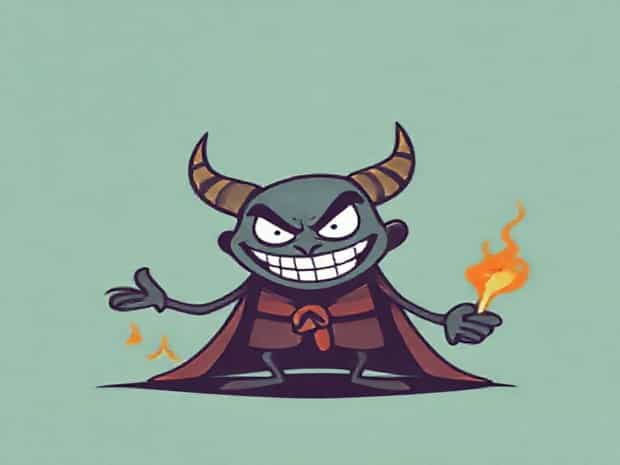
Grinning Trickster Stirs Up Trouble
In every story or community, there is often a character who thrives on mischief and disruption. This figure, known as the grinning trickster, captivates attention with cleverness, wit, and a penchant for stirring up trouble. The trickster archetype appears in folklore, literature, and modern media, embodying a mix of charm and chaos that both entertains and challenges those around them. Far from being merely a troublemaker, the grinning trickster serves as a mirror to societal norms, exposing hidden truths, questioning authority, and forcing others to confront their own assumptions. Understanding the nature of this archetype provides insight into why such characters remain compelling across cultures and time periods.
The Nature of the Grinning Trickster
The grinning trickster is defined by their unpredictable behavior, intelligence, and ability to manipulate situations for their amusement or advantage. Unlike villains motivated by malice, the trickster’s actions often blend humor with cunning, creating situations that are confusing yet thought-provoking. Their grin symbolizes both playfulness and a subtle warning that things are not as straightforward as they seem.
Key Traits of the Trickster
- ClevernessThe trickster often outsmarts others using intelligence and quick thinking.
- PlayfulnessMischief is usually done with a sense of humor, making the trouble more intriguing than harmful.
- SubversionAuthority, rules, and conventions are frequently challenged or inverted.
- AdaptabilityThe trickster thrives in unpredictable situations, using chaos to their advantage.
- DualityWhile they can cause trouble, tricksters may also offer valuable lessons or insights.
Historical and Cultural Examples
The trickster archetype appears in myths and folklore worldwide. In Norse mythology, Loki embodies the grinning trickster, constantly causing chaos among gods and humans alike. Native American stories feature Coyote, a figure who cleverly manipulates circumstances but often learns from the consequences. African folklore includes Anansi the Spider, a cunning character whose clever schemes teach moral lessons while entertaining audiences. These examples show how the trickster archetype serves as both a cultural storyteller and a commentator on human behavior.
Tricksters in Literature
In literature, the grinning trickster often plays pivotal roles in plot development. Characters like Puck in Shakespeare’sA Midsummer Night’s Dreamand Tom Sawyer in Mark Twain’s classic works create mischief that propels the story forward. Their antics highlight human folly, spark conflict, and provide comedic relief. The trickster’s ability to stir up trouble often leads to unexpected outcomes, demonstrating that chaos can be a catalyst for growth, reflection, and resolution.
The Psychology Behind the Trickster
Psychologists study the trickster as an archetype representing aspects of the human psyche. According to Carl Jung, the trickster embodies the shadow self, highlighting impulses and desires that society typically suppresses. The grinning trickster challenges social norms and encourages creativity, spontaneity, and unconventional thinking. By creating confusion and breaking rules, the trickster helps individuals confront fears, explore alternatives, and develop resilience in the face of uncertainty.
Impact on Communities
The trickster’s presence in a community can have both positive and negative effects. On the negative side, their antics may cause frustration, disrupt routines, or create conflicts. On the positive side, their mischief can spark innovation, challenge stagnant systems, and foster social awareness. Communities that understand and embrace the lessons of the trickster often find that the disruption leads to growth, adaptability, and improved problem-solving skills.
Modern Representations
In contemporary media, the grinning trickster continues to captivate audiences. Characters in films, television shows, and video games often embody this archetype, blending humor with cunning to challenge heroes and entertain viewers. From comic book antiheroes to clever protagonists in sitcoms, the trickster’s appeal lies in their unpredictability and the tension they create between order and chaos. This ongoing representation underscores the timeless fascination humans have with characters who stir up trouble in clever and unexpected ways.
Lessons from the Trickster
- Embrace creativityTricksters remind us to think outside conventional boundaries.
- Question authorityTheir antics encourage critical thinking and reflection on rules and norms.
- Learn from chaosChallenges and disruptions often lead to personal growth.
- Balance fun and responsibilityMischief can be enlightening if guided by insight rather than harm.
The grinning trickster remains one of the most intriguing archetypes in storytelling and human culture. By stirring up trouble with intelligence, humor, and cunning, the trickster challenges societal norms, exposes human weaknesses, and offers opportunities for growth and reflection. Whether found in ancient myths, classic literature, or modern entertainment, this figure demonstrates that mischief and chaos are not merely destructive they are also a vital part of learning, adaptation, and understanding the complexities of human behavior. Embracing the lessons of the grinning trickster allows us to navigate uncertainty with creativity, resilience, and a sense of playful curiosity.