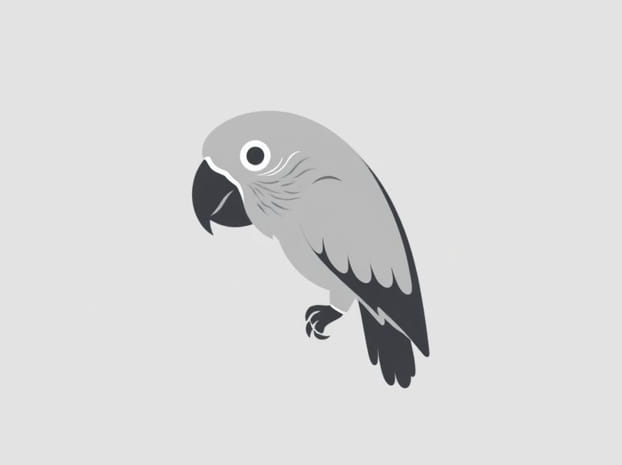
Grey African Parrot For Sale
Finding the perfect companion bird can be both exciting and challenging, and the Grey African Parrot stands out as one of the most intelligent and captivating choices for bird enthusiasts. Known for their striking grey feathers, vivid red tails, and remarkable ability to mimic human speech, these parrots have earned a reputation as one of the most sought-after avian pets worldwide. Many potential owners often ask whether it is possible to find a Grey African Parrot for sale and how to ensure they are adopting one responsibly. Understanding their needs, legal considerations, and the ethical aspects of ownership is essential before bringing one of these birds into your home.
Understanding Grey African Parrots
Grey African Parrots, also known as African Grey Parrots, originate from the rainforests of West and Central Africa. These birds are divided into two main subspecies the Congo African Grey and the Timneh African Grey. Both subspecies are celebrated for their exceptional intelligence and social behavior, but they differ slightly in size, coloration, and temperament. The Congo Grey is larger with a lighter grey body and bright red tail feathers, while the Timneh Grey is slightly smaller, with a darker grey plumage and maroon-colored tail.
One of the most fascinating traits of Grey African Parrots is their ability to mimic sounds and human speech. This makes them not only entertaining companions but also highly interactive pets. However, their intelligence comes with a requirement for constant mental stimulation, social interaction, and a carefully managed environment.
Where to Find Grey African Parrots for Sale
When searching for a Grey African Parrot for sale, prospective owners have several options, including
- Reputable breedersProfessional breeders often have established reputations and can provide healthy birds with proper documentation, including health certificates and records of parentage. Breeders are an excellent source for those seeking specific subspecies or hand-raised birds that are more socialized and easier to bond with.
- Rescue organizations and sanctuariesMany Grey African Parrots end up in rescues due to abandonment or changes in their owner’s lifestyle. Adopting from a rescue ensures you are giving a second chance to a bird in need and supporting ethical practices in the avian community.
- Pet storesSome specialized pet stores may sell Grey African Parrots. However, caution is advised as not all stores provide appropriate care, and birds from unknown sources may have health or behavioral issues.
It is crucial to research sellers thoroughly, ask for references, and verify the health and socialization of the bird before making a purchase. Avoid buying from sources that do not follow ethical breeding practices or violate wildlife regulations.
Legal and Ethical Considerations
Grey African Parrots are protected under the Convention on International Trade in Endangered Species of Wild Fauna and Flora (CITES), which regulates their international trade to prevent exploitation and population decline in the wild. This means that any sale of these parrots must comply with strict legal requirements, including permits and documentation. Prospective buyers should ensure that the bird they are considering comes from a legal and ethical source, with all necessary paperwork in order.
Ethical considerations also extend to the bird’s welfare. Grey African Parrots are highly social creatures that thrive in enriched environments with mental stimulation, companionship, and consistent care. Owning one without understanding their behavioral needs can lead to stress, feather plucking, and other behavioral problems. Responsible ownership requires commitment, time, and resources to provide a fulfilling life for the parrot.
Cost and Commitment
Grey African Parrots for sale can vary significantly in price depending on age, subspecies, and whether the bird is hand-raised. Prices for these parrots can range from several hundred to several thousand dollars. While the initial cost may seem high, potential owners must also consider long-term expenses, including
- High-quality food, such as pellets, fresh fruits, and vegetables.
- Veterinary care, including regular check-ups with avian specialists.
- Enrichment materials, such as toys, perches, and foraging opportunities.
- Spacious cages and safe environments for the bird to explore.
It is important to remember that Grey African Parrots can live 50 to 60 years or more in captivity. Owning one is a lifelong commitment, and future planning is crucial to ensure the parrot’s well-being throughout its life.
Tips for Responsible Adoption
Before purchasing a Grey African Parrot, consider the following tips to ensure a responsible and informed decision
- Research the species thoroughly, including dietary needs, social behavior, and environmental requirements.
- Visit breeders or rescues in person to observe the bird’s behavior and condition.
- Ask detailed questions about the bird’s health, age, and history.
- Ensure you have the time and resources to meet the bird’s social and mental stimulation needs.
- Verify all legal documentation to comply with CITES and local regulations.
Preparing for a Grey African Parrot
Bringing a Grey African Parrot into your home requires preparation to provide a safe and enriching environment. Start by setting up a large cage with plenty of space to fly and climb. Include various toys and perches to encourage physical activity and mental engagement. Additionally, create a consistent routine for feeding, interaction, and training to help the bird adjust and build trust with its new owner.
Social interaction is vital for Grey African Parrots. They thrive on attention and can become stressed or develop behavioral problems if left alone for long periods. Regular interaction, positive reinforcement training, and opportunities for play are essential components of responsible ownership.
Finding a Grey African Parrot for sale requires careful consideration of legal, ethical, and practical factors. These intelligent birds offer rewarding companionship but demand a high level of commitment, social interaction, and mental stimulation. Whether choosing to purchase from a reputable breeder or adopt from a rescue, responsible ownership is key to ensuring the parrot’s well-being and a fulfilling relationship between the bird and its human caretaker. Understanding the needs, costs, and responsibilities associated with Grey African Parrots helps potential owners make informed decisions and contributes to the ethical treatment and conservation of this remarkable species.