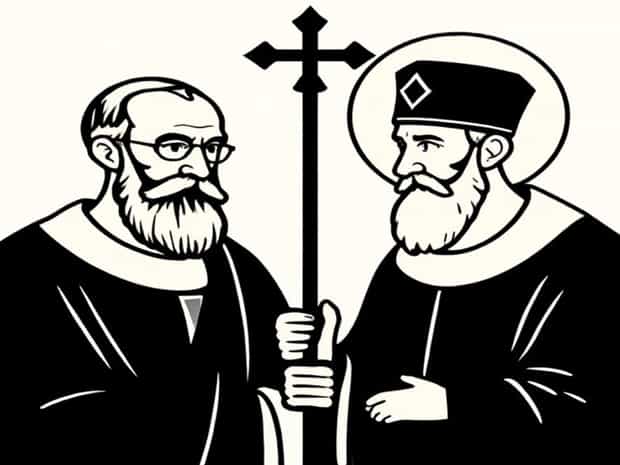
Gregory Palamas Vs Thomas Aquinas
Throughout the history of Christian theology, few comparisons have been as fascinating as the dialogue between Gregory Palamas and Thomas Aquinas. These two towering figures, representing the Eastern Orthodox and Western Catholic traditions respectively, developed distinct approaches to God, human salvation, and the relationship between faith and reason. Their theological differences continue to shape discussions in philosophy, spirituality, and ecumenical dialogue today. By exploring Gregory Palamas vs Thomas Aquinas, we uncover not only two individual thinkers but also the deeper contrast between Eastern and Western Christianity.
Background of Gregory Palamas
Gregory Palamas (1296-1359) was a Byzantine monk, theologian, and later Archbishop of Thessalonica. He is best known for defending the practice of Hesychasm, a mystical form of prayer in the Eastern Orthodox Church that emphasizes inner stillness and direct experience of God. His writings on the essence and energies of God became central to Orthodox theology, highlighting the possibility of union with God without compromising divine transcendence.
Key Contributions of Gregory Palamas
- Defense of Hesychast spirituality and mystical prayer practices.
- Doctrine of essence and energies, distinguishing God’s unknowable essence from His accessible energies.
- Emphasis on experiential knowledge of God over purely intellectual understanding.
Background of Thomas Aquinas
Thomas Aquinas (1225-1274) was a Dominican friar, philosopher, and theologian in the Western Catholic tradition. He became one of the most influential thinkers in the Middle Ages, integrating Aristotelian philosophy with Christian doctrine. His monumental work, theSumma Theologica, systematically explored topics such as the nature of God, ethics, and the sacraments. For Aquinas, reason and revelation were complementary, and philosophy could be used to support theological truths.
Key Contributions of Thomas Aquinas
- Integration of Aristotelian philosophy with Christian theology.
- Arguments for the existence of God, including the famous Five Ways.
- A strong emphasis on scholastic method, clarity, and logical reasoning.
- Teaching on grace, virtue, and the role of the sacraments in salvation.
Philosophical and Theological Differences
When examining Gregory Palamas vs Thomas Aquinas, their approaches reveal both cultural and theological contrasts. While Aquinas relied on systematic reasoning and scholastic precision, Palamas emphasized mystical experience and direct participation in the divine life. These differences highlight two complementary but distinct traditions within Christianity.
Reason vs Mysticism
Aquinas viewed reason as a God-given tool capable of reaching natural truths about existence and supporting divine revelation. He believed that rational arguments could lead us toward an understanding of God, though revelation remained necessary for full comprehension. Palamas, by contrast, stressed that intellectual reasoning had limits. For him, true knowledge of God came through prayer and experience, not philosophical argumentation.
Essence and Energies vs Divine Simplicity
One of the most striking differences lies in their views of God’s nature. Palamas distinguished between God’s essence (which is unknowable and transcendent) and God’s energies (through which humans can experience Him). Aquinas, upholding divine simplicity, rejected such distinctions, affirming that God is utterly one and without division. This difference shapes how each tradition understands human access to the divine.
Union with God
For Aquinas, union with God occurs through grace, the sacraments, and the beatific vision in the afterlife. Knowledge of God is mediated through concepts and ultimately culminates in seeing God face to face in eternity. Palamas emphasized a more immediate form of union even in this life, accessible through the practice of Hesychasm, where believers participate in God’s energies while remaining unable to penetrate His essence.
Similarities Between the Two Thinkers
Despite their differences, there are important similarities in the thought of Gregory Palamas and Thomas Aquinas. Both were deeply committed to the Christian tradition and saw theology as a means of bringing believers closer to God. They also affirmed the importance of grace, prayer, and holiness in the spiritual life.
- Both upheld the centrality of God’s transcendence and holiness.
- Both valued tradition and continuity with earlier Church Fathers.
- Both recognized that human reason alone is insufficient for full knowledge of God.
Eastern vs Western Christian Perspectives
The contrast between Gregory Palamas and Thomas Aquinas reflects broader differences between Eastern Orthodox and Western Catholic Christianity. The East emphasizes mysticism, spiritual experience, and theosis (becoming one with God), while the West highlights systematic theology, rational clarity, and the sacraments as means of grace. These different emphases enrich the Christian tradition, showing how diverse paths can lead toward the same divine truth.
Impact on Theology and Spirituality
The legacy of both thinkers remains powerful. In Orthodox Christianity, Gregory Palamas is celebrated as a saint and theologian whose defense of Hesychasm remains a cornerstone of Eastern spirituality. In Catholicism, Thomas Aquinas is recognized as a Doctor of the Church, and his works are foundational to theology and philosophy. Their differing emphases continue to influence how Christians today approach faith, reason, and the experience of God.
Influence on Ecumenical Dialogue
Modern ecumenical efforts between Orthodox and Catholic Christians often revisit the differences between Palamas and Aquinas. By studying their teachings, theologians seek to find common ground and better understand how the two traditions can enrich each other. While their approaches diverge, both men offer insights that remain relevant for the search for Christian unity.
Practical Lessons from Their Teachings
Beyond academic theology, the comparison of Gregory Palamas vs Thomas Aquinas has practical implications for faith today
- Palamas reminds believers of the importance of inner stillness, prayer, and personal experience of God.
- Aquinas encourages Christians to engage their minds, using reason and study as pathways to deepen faith.
- Together, they illustrate that spirituality can be both contemplative and intellectual, mystical and rational.
Final Reflections
When we explore Gregory Palamas vs Thomas Aquinas, we encounter two unique expressions of Christian faith. Palamas speaks to the heart’s longing for mystical union with God, while Aquinas demonstrates the mind’s quest for truth and clarity. Their theological visions reflect not just personal insights but entire traditions shaped by history, culture, and spiritual needs. Both approaches continue to inspire believers, offering complementary perspectives on the eternal mystery of God. By holding their teachings together, modern Christians can embrace a fuller vision of faith one that honors both the depth of mystical prayer and the rigor of rational thought.
Ultimately, the dialogue between Gregory Palamas and Thomas Aquinas reveals that while paths may differ, the goal remains the same to know and love God more deeply. Their legacy stands as a reminder that the richness of Christian thought lies not in uniformity but in the harmony of diverse voices seeking the same divine truth.