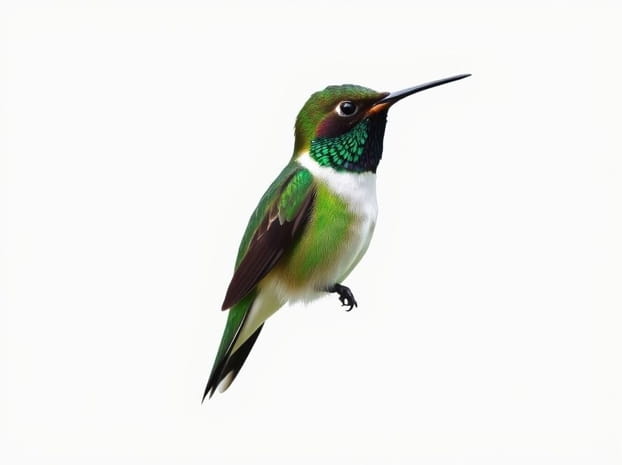
Green Throated Carib Hummingbird Photo
The Green-throated Carib hummingbird is one of the most striking and colorful species of hummingbirds found in the Caribbean. Known for its vibrant green throat and iridescent plumage, this small bird captivates birdwatchers, photographers, and nature enthusiasts alike. Observing a Green-throated Carib hummingbird in its natural habitat offers a glimpse into the intricate behaviors and adaptations of hummingbirds, particularly their remarkable flight abilities and feeding techniques. Capturing a photo of this tiny avian jewel requires patience, skill, and understanding of its habits, making it a rewarding experience for wildlife photographers and enthusiasts around the world.
Physical Characteristics of the Green-Throated Carib Hummingbird
The Green-throated Carib hummingbird is small, typically measuring around 10 to 11 centimeters in length. Its most distinctive feature is the vibrant green throat, which shimmers in sunlight due to the microscopic structure of its feathers that refracts light. The male and female display sexual dimorphism, with males generally having brighter plumage and slightly more curved bills. Their wings are fast-moving and powerful, allowing hovering flight that is characteristic of hummingbirds. These physical traits not only make the bird visually appealing but also highly adapted to its feeding and territorial behaviors.
Flight and Feeding Adaptations
One of the most fascinating aspects of the Green-throated Carib is its flight capability. Its wings beat rapidly, enabling the bird to hover in front of flowers to feed on nectar. This hovering ability is essential for accessing deep tubular flowers that other birds cannot reach. The hummingbird’s long, slender bill is perfectly shaped to extract nectar, while its specialized tongue can extend far beyond the tip of the bill to lap up liquid efficiently. In addition to nectar, the Green-throated Carib also consumes small insects and spiders, providing essential protein for energy and reproduction.
Behavior and Territory
Green-throated Carib hummingbirds are known for their territorial behavior. Males often defend rich feeding areas from other hummingbirds and intruding species, using rapid flight displays, vocalizations, and occasional aggressive interactions to maintain control. Females tend to be less aggressive but establish territories around suitable nesting sites and abundant nectar sources. Understanding these behaviors is crucial for photographers aiming to capture high-quality images, as observing territorial interactions can lead to unique and dynamic photo opportunities.
Breeding and Nesting
The breeding behavior of the Green-throated Carib hummingbird is equally fascinating. Nests are typically constructed from soft plant fibers, moss, and spider silk, and are attached to branches or leaves in concealed locations to avoid predators. Females lay one or two eggs per clutch, and they are solely responsible for incubation and feeding the chicks. Breeding occurs year-round in some areas, depending on nectar availability, and successful nesting requires a combination of safe habitat and sufficient food resources. Photographs of nesting hummingbirds provide rare insights into this delicate aspect of their life cycle.
Habitat and Distribution
The Green-throated Carib hummingbird is primarily found in the Caribbean islands, including Dominica, Guadeloupe, Martinique, and Saint Lucia. Its preferred habitats include tropical forests, gardens, and shrublands where flowering plants are abundant. The bird is highly adaptable and often visits human-influenced landscapes such as backyards with nectar feeders, making it accessible to photographers and birdwatchers. Protecting these habitats is critical for maintaining healthy populations and ensuring that these birds continue to thrive in the wild.
Photographing the Green-Throated Carib Hummingbird
Capturing a photo of the Green-throated Carib hummingbird requires patience and attention to detail. Photographers often use high-speed cameras and lenses capable of freezing rapid wing movement, as hummingbirds beat their wings up to 50 times per second. Natural lighting, especially early in the morning or late afternoon, enhances the iridescent colors of the feathers. Additionally, understanding feeding patterns and territorial behavior allows photographers to anticipate movements and position themselves effectively. Flowering plants, feeders, and perches near nesting sites are ideal locations for photographing these remarkable birds.
Diet and Ecological Role
The Green-throated Carib hummingbird plays a vital role in the ecosystem as a pollinator. While feeding on nectar, pollen adheres to its head and body and is transferred between flowers, facilitating plant reproduction. This mutualistic relationship ensures the survival of various flowering plant species, which in turn support other wildlife. The bird’s insect consumption also contributes to controlling insect populations, making it an integral part of maintaining ecological balance in its habitat.
Conservation Status and Threats
Currently, the Green-throated Carib hummingbird is not considered threatened and is classified as a species of Least Concern. However, habitat loss, climate change, and the introduction of invasive species pose potential risks. Deforestation and urbanization reduce available nectar sources and nesting sites, while severe weather events can impact food availability and breeding success. Conservation efforts focus on habitat protection, planting native flowering plants, and raising awareness among local communities to ensure that these vibrant birds continue to thrive in the Caribbean islands.
Interesting Facts About the Green-Throated Carib Hummingbird
- The Green-throated Carib can hover in mid-air and even fly backward, an ability unique to hummingbirds.
- Males are often more brightly colored than females and display territorial aggression to secure prime feeding areas.
- These birds are capable of rapid metabolism, requiring them to feed almost constantly during the day.
- They are attracted to brightly colored flowers, particularly red, orange, and yellow, which signal nectar-rich sources.
- Despite their small size, they exhibit remarkable strength and endurance, capable of long flights between islands.
The Green-throated Carib hummingbird is a stunning example of nature’s ingenuity and beauty, combining vibrant plumage, exceptional flight capabilities, and ecological significance. Observing or photographing this species offers a deeper appreciation for the intricate behaviors and adaptations of hummingbirds. Protecting its habitats and ensuring the availability of flowering plants are essential for the continued survival of this remarkable bird. From its iridescent green throat to its agile flight and important role in pollination, the Green-throated Carib hummingbird remains a captivating subject for both wildlife enthusiasts and photographers, symbolizing the richness and diversity of Caribbean ecosystems.