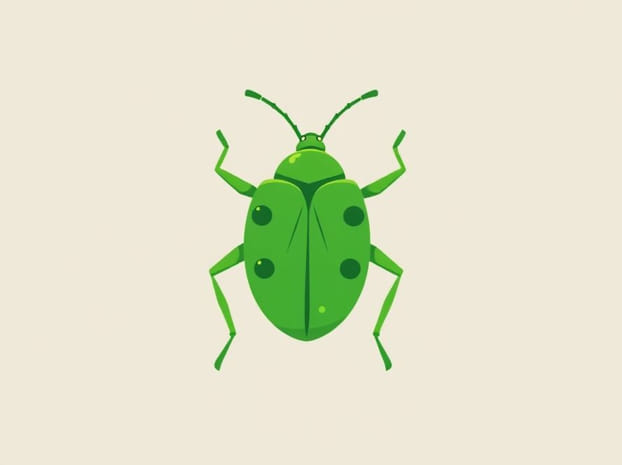
Green Stink Bug Nymph
The green stink bug nymph is an intriguing stage in the life cycle of the green stink bug, an insect widely recognized for its distinctive shape and pungent defensive odor. Unlike adult stink bugs, nymphs display unique physical characteristics and behaviors that are vital for survival and growth. These early stages of development are critical for understanding the biology, feeding habits, and ecological impact of the species. Observing green stink bug nymphs in natural and agricultural settings provides valuable insights into pest management, biodiversity, and the delicate balance between insects and their environments. Their presence often signals the beginning of a cycle that can affect plant health, making knowledge about nymphs essential for gardeners and farmers alike.
Life Cycle of Green Stink Bugs
Green stink bugs undergo a hemimetabolous life cycle, meaning they experience incomplete metamorphosis. This cycle includes three main stages egg, nymph, and adult. After eggs hatch, nymphs emerge and begin feeding immediately. Unlike larvae of other insects, stink bug nymphs resemble smaller, wingless versions of adults but exhibit distinct coloration and patterns depending on their developmental stage. Over several weeks, nymphs molt multiple times, gradually developing wing buds and adult coloration before reaching full maturity. Understanding the life cycle is essential for recognizing nymph stages and implementing timely pest control measures when necessary.
Appearance and Identification
Green stink bug nymphs are often bright green but may display additional markings such as black, red, or yellow spots depending on their instar stage. Early instars are smaller, softer, and more vulnerable to predators, while later instars become larger, more mobile, and more resilient. Unlike adult stink bugs, nymphs lack fully developed wings, which limits their mobility but keeps them close to food sources. The body is oval and slightly flattened, and they possess piercing-sucking mouthparts used for feeding on plant sap. Proper identification of nymphs is critical in agricultural monitoring, as early detection can prevent damage to crops and garden plants.
Feeding Habits
Green stink bug nymphs feed primarily on plant sap, targeting fruits, vegetables, and various ornamental plants. Their feeding behavior involves piercing plant tissues with specialized mouthparts to extract nutrients. This feeding can cause direct damage, including deformation of fruits, yellowing of leaves, and slowed growth. In addition to physical damage, nymph feeding can facilitate the transmission of plant pathogens, increasing the risk of disease in affected crops. Monitoring nymph populations is crucial for gardeners and farmers to prevent economic losses and maintain healthy plants.
Host Plants
Green stink bug nymphs exhibit a broad host range, making them adaptable to different environments. Common host plants include tomatoes, peppers, beans, corn, and various fruit trees. Nymphs are particularly attracted to tender new growth, where sap is abundant and easily accessible. By understanding which plants are most vulnerable during specific growth stages, gardeners can implement targeted protection strategies to reduce feeding damage. Intercropping, row covers, and natural repellents are often effective in deterring nymph populations without harming beneficial insects.
Behavior and Adaptations
The behavior of green stink bug nymphs is shaped by their need to avoid predators and environmental threats while acquiring food. Nymphs tend to stay in clusters near preferred host plants, providing some protection through group presence. When threatened, they release a pungent odor from specialized glands as a defensive mechanism, deterring potential predators such as birds and predatory insects. This chemical defense, combined with their bright coloration, serves as a warning signal, reducing predation risk. Nymphs also exhibit rapid movement and climbing ability to escape danger and access new feeding sites.
Molting and Development
Green stink bug nymphs undergo five instar stages, each marked by a molting process where they shed their exoskeleton to grow larger. Early instars are often more susceptible to environmental stresses, requiring protection from extreme temperatures and heavy rainfall. As nymphs progress through instars, they develop wing pads and stronger exoskeletons, eventually transitioning into adults capable of flight and reproduction. Understanding these developmental stages helps in timing interventions for pest control and research purposes.
Ecological Role
Despite their reputation as pests, green stink bug nymphs play an important role in the ecosystem. They serve as a food source for a variety of predators, including birds, spiders, and predatory insects. By interacting with plants, they influence plant health and population dynamics, contributing to ecological balance. Their presence in gardens and natural habitats also supports biodiversity, illustrating the interconnectedness of species within an ecosystem. Effective management of nymph populations involves balancing their ecological benefits with the potential agricultural impact.
Pest Management Strategies
Managing green stink bug nymphs requires an integrated approach that minimizes chemical use while protecting crops. Some effective strategies include
- Regular monitoring of nymph populations to detect early infestations.
- Introducing natural predators, such as parasitic wasps or predatory insects.
- Using physical barriers like row covers to protect vulnerable plants.
- Removing infested plant material to reduce population growth.
- Applying targeted organic or chemical treatments when necessary, following safety guidelines.
Impact on Agriculture
Green stink bug nymphs can cause significant economic damage in agricultural settings due to their feeding habits and rapid development. Crops such as tomatoes, beans, and fruit trees are particularly susceptible to nymph infestations. Damage may manifest as blemishes on fruits, reduced yields, and delayed plant growth. Early detection and intervention are key to preventing widespread crop loss. Integrated pest management techniques that combine monitoring, natural predators, and careful use of pesticides are most effective in controlling nymph populations while maintaining ecological balance.
Monitoring and Research
Research on green stink bug nymphs contributes to a better understanding of their life cycle, behavior, and impact on crops. Scientists conduct field surveys, laboratory experiments, and ecological studies to develop more effective management practices. Monitoring efforts often include visual inspections, sticky traps, and pheromone-based lures to detect early-stage nymphs. By studying population dynamics, researchers can provide recommendations for planting schedules, pest control timing, and sustainable agricultural practices that reduce crop damage and preserve beneficial insect populations.
Green stink bug nymphs are a fascinating and important stage in the life cycle of this widespread insect species. Their distinctive appearance, feeding habits, and ecological role provide valuable insights for gardeners, farmers, and researchers alike. While nymphs can pose challenges to agriculture due to their plant-feeding behavior, they also contribute to ecological balance by serving as prey for other species. Understanding their development, behavior, and management strategies is essential for maintaining healthy crops and ecosystems. By combining careful monitoring, natural predation, and responsible pest management techniques, it is possible to minimize the negative impact of green stink bug nymphs while appreciating their role in the broader ecological system.