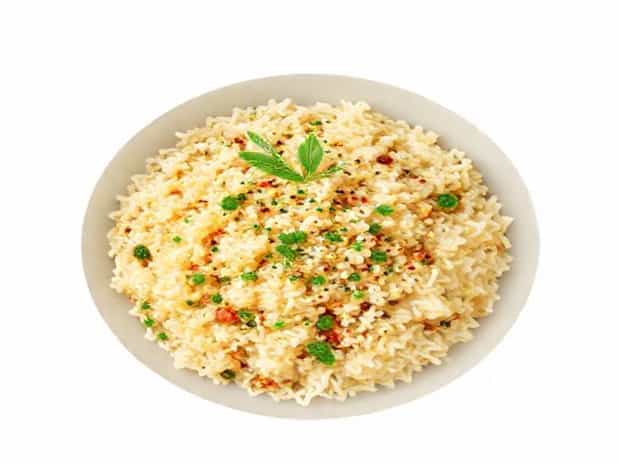
Greek Rice Pilaf With Orzo
Greek rice pilaf with orzo is one of those classic Mediterranean side dishes that can easily elevate any meal. Known for its delicate balance of fluffy rice, toasted orzo pasta, and aromatic seasonings, this dish carries both comfort and elegance on the table. While it is simple enough for everyday cooking, its flavor profile makes it a favorite for gatherings and festive occasions. Many people love it because it pairs beautifully with grilled meats, roasted vegetables, and seafood, yet it is equally satisfying on its own. With roots in Greek cuisine, it embodies the Mediterranean love for wholesome ingredients, fresh herbs, and dishes that bring people together.
What Makes Greek Rice Pilaf with Orzo Special
This dish stands out because of its unique combination of rice and orzo pasta. Unlike traditional pilaf recipes that use only rice, the addition of orzo gives it a nutty undertone and a slight chewiness that makes every bite more interesting. The preparation also involves sautéing the orzo in butter or olive oil until golden before adding the rice, which adds depth of flavor. The gentle simmering in broth infuses the grains with savory notes, creating a dish that is light yet flavorful.
Key Ingredients in Greek Rice Pilaf with Orzo
Though recipes vary slightly from region to region and cook to cook, most versions of Greek rice pilaf with orzo contain the following essentials
- RiceLong-grain rice, such as basmati or jasmine, works best because it remains fluffy and separate.
- OrzoThis small, rice-shaped pasta is toasted before simmering, giving the dish its signature character.
- Olive oil or butterEssential for sautéing the orzo and rice, adding richness and aroma.
- BrothChicken broth or vegetable broth enhances the flavor and provides the savory base for the pilaf.
- Onion and garlicCommon aromatics that bring sweetness and depth.
- Fresh herbsParsley, dill, or mint are often used to brighten the dish.
- Lemon juiceA squeeze of lemon at the end adds freshness and the classic Mediterranean tang.
Step-by-Step Preparation
1. Toasting the Orzo
The process begins by gently toasting the orzo pasta in a mixture of butter or olive oil. This step is crucial because it enhances the nutty flavor and prevents the pasta from becoming mushy during cooking. Stir constantly until the orzo turns a light golden brown.
2. Adding Rice and Aromatics
Once the orzo is toasted, the rice and finely chopped onions are added. The grains absorb the flavors of the fat and aromatics, which helps build the savory base of the pilaf. Garlic can also be included at this stage for an extra layer of flavor.
3. Simmering with Broth
The mixture is then covered with warm chicken or vegetable broth. This liquid not only cooks the grains but also infuses them with a rich, comforting taste. A pinch of salt and pepper helps balance the flavors, while a bay leaf or sprig of thyme can be added for subtle depth.
4. Finishing Touches
When the rice and orzo are tender, the pilaf is fluffed with a fork. Fresh herbs and a drizzle of lemon juice are stirred in right before serving. These finishing touches make the dish vibrant and refreshing, preventing it from feeling heavy.
Serving Ideas for Greek Rice Pilaf with Orzo
This versatile side dish can be enjoyed in many ways. Some popular serving ideas include
- Paired withgrilled chicken souvlakior lamb chops for a complete Greek-inspired meal.
- Alongside roasted vegetables like zucchini, eggplant, and bell peppers for a vegetarian-friendly option.
- Served with baked fish, such as salmon or cod, to balance the richness of seafood with the lightness of pilaf.
- Used as a base for grain bowls, topped with feta cheese, olives, and fresh salad greens.
Why This Dish is a Staple in Greek Cuisine
Greek rice pilaf with orzo is not just a side dish; it reflects the essence of Greek cooking. Mediterranean cuisine often emphasizes simplicity, relying on a few quality ingredients to create something flavorful and nourishing. The dish embodies the balance of hearty and light, savory and fresh, making it a staple on family tables and in restaurants across Greece. Its adaptability is another reason for its popularity. Whether served plain or enhanced with extra vegetables and seasonings, it fits into countless meal combinations.
Tips for Perfecting Greek Rice Pilaf with Orzo
- Choose quality brothA homemade or high-quality store-bought broth makes a big difference in flavor.
- Do not overcookKeep an eye on the rice and orzo to avoid mushiness; they should remain slightly firm and fluffy.
- Use fresh herbsFresh parsley, dill, or mint bring brightness that dried herbs cannot fully replicate.
- Balance with lemonA splash of lemon juice cuts through the richness and brings out the Mediterranean essence.
Health Benefits of Greek Rice Pilaf with Orzo
Besides being delicious, this dish offers nutritional value. Rice and orzo provide energy through complex carbohydrates, while olive oil contributes heart-healthy fats. Fresh herbs and lemon juice add antioxidants and vitamin C. When paired with lean proteins and vegetables, the pilaf becomes part of a well-rounded meal that reflects the Mediterranean diet, widely praised for its health benefits.
Modern Variations
Though the traditional Greek rice pilaf with orzo remains beloved, modern cooks have adapted it to suit various preferences. Some variations include adding sautéed spinach or peas for extra nutrition, sprinkling crumbled feta cheese for tanginess, or even incorporating pine nuts for crunch. These twists maintain the dish’s essence while introducing new textures and flavors.
Greek rice pilaf with orzo is more than just a side dish; it is a celebration of Greek culinary traditions and Mediterranean flavors. Its combination of fluffy rice, golden orzo, fragrant herbs, and a touch of lemon makes it both comforting and refreshing. Whether enjoyed with grilled meats, roasted vegetables, or on its own, this dish brings warmth and satisfaction to the table. For home cooks seeking something simple yet impressive, it is a recipe that continues to stand the test of time, loved for its versatility, flavor, and connection to Greek heritage.