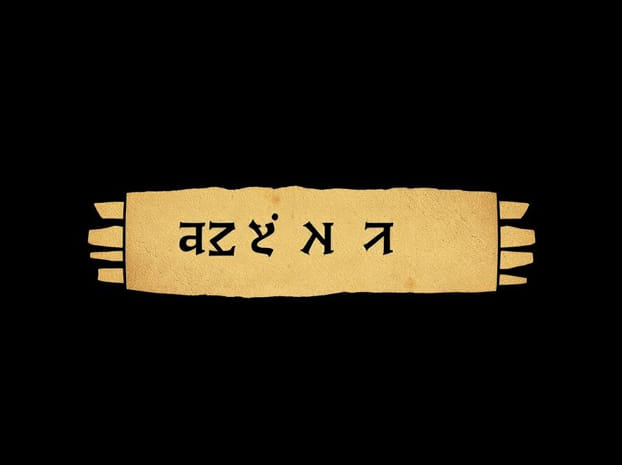
Greek Magical Papyri Love Spell
The ancient world was filled with mysteries, and among the most fascinating remnants of that era are the Greek Magical Papyri. These texts, written on papyrus scrolls between the 2nd century BCE and the 5th century CE, contain an array of rituals, invocations, and spells meant to influence every aspect of life. Among the most intriguing are the Greek Magical Papyri love spells, which provide a glimpse into how people of the past sought to attract affection, bind lovers, or awaken passion. These practices reveal the intersection of religion, magic, and human desire in ancient Greek and Greco-Egyptian society.
What Are the Greek Magical Papyri?
The Greek Magical Papyri, often abbreviated as PGM by scholars, are a collection of manuscripts discovered primarily in Egypt. Written in Greek, Demotic, and Coptic languages, they reflect the multicultural fusion of Greek, Egyptian, and Roman beliefs. They contain instructions for summoning gods, invoking spirits, healing the sick, and performing divination. Within these manuscripts, love spells occupy a significant place, showing how deeply people longed for control over matters of the heart.
Love Spells in Ancient Times
In the ancient Mediterranean world, love was seen as both a blessing and a source of suffering. People turned to the Greek Magical Papyri love spells when they wished to win affection, restore a broken relationship, or intensify desire. These spells were not just symbolic they were believed to hold real power through words, rituals, and divine intervention. The fact that so many love spells appear in the papyri demonstrates how common and important these concerns were for everyday individuals.
Common Features of Love Spells
Love spells in the papyri often shared certain elements
- Invocation of deitiesNames of gods like Aphrodite, Eros, and even Egyptian deities such as Isis were called upon for assistance.
- Use of magical wordsStrange combinations of syllables, often referred to as voces magicae, were believed to carry mystical force.
- Physical objectsItems like figurines, amulets, or written charms were used to channel the spell’s energy.
- Binding formulasMany love spells were designed to bind a person emotionally or physically to the one performing the ritual.
The Purpose of Greek Magical Papyri Love Spells
These spells served a variety of functions depending on the needs of the practitioner. Some were gentle, meant to inspire mutual affection, while others were forceful, aimed at compelling someone to fall in love or remain faithful. In many cases, they reflected the desires and insecurities of ordinary people who sought divine or magical help in their relationships.
Types of Love Spells
- Attraction spellsIntended to make someone notice or desire the practitioner.
- Binding spellsDesigned to tie a person’s emotions or actions, preventing them from leaving or being with someone else.
- Reconciliation spellsUsed to repair relationships that had been damaged by conflict or betrayal.
- Passion spellsAimed at increasing physical desire and intimacy between partners.
Examples of Love Spells in the Papyri
One notable example from the Greek Magical Papyri is a spell that calls upon the gods to burn the heart of the desired individual until they come to the spell-caster. Another involves creating a figurine of the beloved and performing rituals over it to bind them emotionally. These spells could be highly elaborate, involving incense, chants, and specific timing under astrological signs.
The Role of Deities in Love Spells
Invoking gods was central to the effectiveness of Greek Magical Papyri love spells. Aphrodite, the goddess of love, was frequently addressed, but other deities such as Hecate, Hermes, and Egyptian gods like Anubis or Thoth also played roles in magical contexts. Practitioners believed these divine forces could bridge the gap between human longing and cosmic power.
Aphrodite and Eros
As the goddess of love, Aphrodite was often petitioned for spells of attraction and harmony. Eros, symbolizing passion and desire, was invoked when the goal was to intensify lust or emotional attachment. Together, they embodied the two sides of love tender affection and fiery desire.
The Symbolism of Binding in Love Magic
Binding was one of the most common themes in Greek Magical Papyri love spells. The concept was both literal and symbolic. Figurines might be tied with cords, or spells might demand that the beloved be bound in body, soul, and spirit. This reflected the idea that magic could control not just emotions but also destiny itself. Binding spells, however, often walked a fine line between love and coercion, raising questions about consent and morality in ancient magic.
Materials Used in Love Spells
The practice of love magic was not only verbal but also physical. Practitioners often used
- Wax or clay figurinesRepresentations of the desired person for binding rituals.
- Papyrus scrollsWritten spells that could be carried, hidden, or placed in strategic locations.
- Herbs and incenseSubstances believed to attract divine favor or intensify passion.
- AmuletsProtective charms meant to ensure success in matters of the heart.
The Social Context of Love Spells
Greek Magical Papyri love spells were not confined to any single class of people. Both men and women could perform them, and they were used by ordinary individuals as well as by professional magicians. These spells reflected the universal human longing for affection, companionship, and stability in relationships. At the same time, they reveal the anxieties people felt about rejection, betrayal, and unfulfilled desire.
Modern Fascination with Ancient Love Spells
Today, the Greek Magical Papyri continue to fascinate scholars, spiritual practitioners, and history enthusiasts. Love spells, in particular, capture attention because they show how timeless the pursuit of love has been. While modern society may not rely on papyri and invocations of ancient gods, the desire to influence love and relationships remains as strong as ever.
Ethical Reflections
Looking at these spells from a modern perspective raises ethical questions. Many Greek Magical Papyri love spells involved binding or compelling someone, which today might be seen as manipulative or intrusive. This tension highlights how different cultural contexts shape the way people understand love, desire, and personal freedom. Reflecting on these practices allows us to see both the continuity and change in human approaches to romance and magic.
The Greek Magical Papyri love spells open a window into the hearts and minds of ancient people. They show how individuals sought divine help in one of life’s most personal areas love. Whether through attraction, reconciliation, or binding, these spells represent a fusion of belief, ritual, and human longing. By studying them, we not only learn about ancient magical practices but also discover that the hopes, fears, and passions of people two thousand years ago are not so different from our own today.
In exploring the Greek Magical Papyri love spells, we uncover more than ancient magic we see the eternal human quest for connection, desire, and emotional fulfillment. These texts remind us that while cultures evolve and practices change, the heart’s longing for love has always been, and will always be, a powerful force in human life.