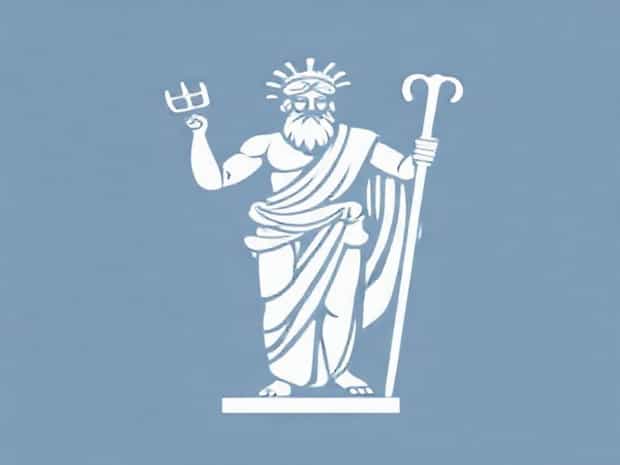
Greek God Of Craftsmen
The Greek god of craftsmen holds a unique and vital role in ancient mythology, representing skill, creativity, and ingenuity. Revered by artisans, metalworkers, potters, and builders, this deity embodies the human capacity to transform raw materials into objects of beauty and utility. In Greek mythology, the god of craftsmen is most commonly identified as Hephaestus, the divine blacksmith and master of fire. His influence extended beyond mere craftsmanship; he symbolized innovation, resilience, and the transformative power of labor. Stories of Hephaestus and his creations have inspired generations of artists, engineers, and storytellers, cementing his place as a central figure in both mythological narratives and cultural history.
The Origins of the Greek God of Craftsmen
Hephaestus, known as the Greek god of craftsmen, metalworking, and invention, is the son of Zeus and Hera in most accounts, though some myths offer variations on his parentage. Despite his divine lineage, Hephaestus was born with a physical disability, often described as a limp. This aspect of his story symbolizes perseverance and the ability to overcome obstacles, highlighting that mastery of craft requires patience, skill, and dedication. Ancient Greeks venerated him not only for his technical skills but also for the moral lessons embedded in his myths, including resilience, ingenuity, and the value of labor.
Hephaestus’ Role in Greek Mythology
Hephaestus was the master blacksmith of the gods, forging weapons, armor, and tools for gods and heroes alike. His workshop was often described as being located beneath volcanic mountains, where he commanded fire and metal. Some of his most famous creations include the armor of Achilles, Hermes’ winged sandals, and the shield of Zeus. These myths not only highlight his technical prowess but also demonstrate the essential role of craftsmen in shaping the world and influencing both mortal and divine affairs. Hephaestus’ work reflects precision, creativity, and the integration of artistry with functionality.
Symbols and Attributes
Hephaestus is typically depicted with a hammer, anvil, and tongs, representing his mastery over metal and his role as the divine craftsman. Fire is another central symbol associated with him, representing both destructive and creative power. In addition to these, Hephaestus is sometimes shown with mechanical devices or automatons, highlighting his innovative spirit and the ingenuity of Greek artisans. Worshippers of Hephaestus would often dedicate tools, crafted items, or statues to honor his skill and seek inspiration for their own work. These symbols reinforce the god’s connection to human creativity and technological advancement.
Religious Worship and Cultural Significance
Temples and sanctuaries dedicated to Hephaestus were often located near centers of craftsmanship and metalworking. The most famous temple, the Hephaesteion, located in Athens, served as a cultural hub where artisans and citizens could honor the god of craftsmen. Festivals in his honor included demonstrations of skill and competitions in craftsmanship, reflecting the societal respect for manual labor, creativity, and innovation. Through these practices, Hephaestus became a patron of artisans and an emblem of the dignity and importance of skilled work in Greek society.
Hephaestus and Innovation
Hephaestus’ influence goes beyond traditional craftsmanship; he represents invention and technological advancement. Greek myths recount his ability to create devices that surpassed mortal capabilities, from automatons to mechanical contraptions. This aspect of the god of craftsmen highlights the link between creativity, problem-solving, and technological innovation. For modern audiences, Hephaestus serves as a symbol of ingenuity, inspiring both engineers and artists to push the boundaries of their respective crafts.
Famous Myths Involving Hephaestus
- The forging of Achilles’ armor for the hero in the Trojan War, demonstrating the importance of craftsmanship in battle.
- The creation of Pandora’s box, symbolizing both divine skill and the complex consequences of creation.
- The construction of automatons and mechanical devices for the gods, illustrating the imaginative potential of craftsmanship.
The Moral Lessons of the Greek God of Craftsmen
Hephaestus’ myths often convey moral and philosophical lessons. Despite facing rejection, challenges, or ridicule, he remained dedicated to his craft. This narrative emphasizes the value of persistence, skill, and pride in one’s work. Furthermore, the stories illustrate that true mastery requires patience, careful attention to detail, and an understanding of materials and techniques. In this way, the Greek god of craftsmen embodies not just technical skill but also ethical principles associated with labor, artistry, and personal development.
Modern Inspiration and Legacy
The legacy of Hephaestus continues to influence modern culture, from literature and art to engineering and design. Artists and writers often reference his workshops and creations to symbolize innovation and the transformative power of creativity. Engineers and inventors may see him as an archetype for skill, ingenuity, and the integration of art and technology. Educational programs in art and design sometimes invoke the god of craftsmen as a symbol of dedication, innovation, and the pursuit of excellence. Hephaestus’ enduring presence in popular culture and academia underscores the timeless relevance of his mythos.
The Greek god of craftsmen, Hephaestus, represents a unique blend of skill, creativity, resilience, and moral insight. As the divine blacksmith and master artisan, he shaped both divine and mortal worlds through his mastery of metal, fire, and invention. His myths highlight the significance of craftsmanship, the value of persistence, and the transformative potential of human ingenuity. Whether in ancient temples, artistic works, or modern cultural references, Hephaestus continues to inspire artisans, engineers, and creators, emphasizing the timeless connection between human skill and divine inspiration. Honoring the Greek god of craftsmen is not only a celebration of myth but also a recognition of the enduring power of creativity and the profound impact of skilled labor on human civilization.