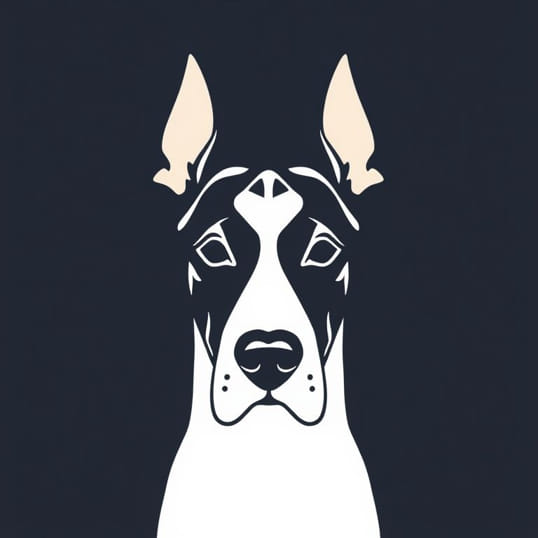
Great Dane Cropped Ears
The Great Dane is a majestic breed, widely recognized for its impressive size, gentle temperament, and elegant appearance. Among the many aspects that attract dog enthusiasts to Great Danes is the appearance of their ears. Cropped ears, a characteristic sometimes seen in this breed, has sparked discussion among breeders, owners, and animal welfare advocates. Cropping involves surgically altering the ears to stand erect rather than naturally folding over. While this practice is traditional in some regions and linked to show standards, it raises ethical and health considerations. Understanding the history, process, care requirements, and controversies surrounding cropped ears in Great Danes is essential for potential owners and enthusiasts who want to make informed decisions.
History of Ear Cropping in Great Danes
The practice of ear cropping in Great Danes dates back several centuries. Historically, it was believed that erect ears helped protect the dog during hunting or guarding, as they could better detect sounds and avoid injuries. In addition, cropped ears were thought to reduce the risk of ear infections in working dogs. Over time, ear cropping became a cosmetic standard in dog shows, particularly in North America and parts of Europe. Breed organizations often list cropped ears as desirable for show purposes, although many contemporary breeders now prioritize the dog’s health and natural appearance.
Traditional Reasons for Cropping
- Enhanced alert appearance Cropped ears create a more striking and imposing look, often associated with strength and dominance.
- Historical protection In the past, erect ears were considered less prone to injuries in working environments.
- Show standards Many kennel clubs historically favored the appearance of cropped ears in competitive shows.
The Cropping Procedure
Cropping is a surgical procedure performed by a licensed veterinarian. The operation typically occurs when the Great Dane puppy is between 7 and 12 weeks old. During the procedure, the veterinarian removes part of the ear flap and shapes it to achieve the desired upright appearance. After surgery, the ears require taping and regular monitoring to ensure they heal properly and maintain their intended shape. The process can be painful, which is why anesthesia is used during surgery, and post-operative care includes pain management and cleaning.
Post-Surgery Care
Proper aftercare is critical to the success of ear cropping. Owners must follow the veterinarian’s instructions carefully, which usually includes
- Regular cleaning to prevent infection
- Taping or splinting the ears to help them stand upright
- Monitoring for signs of pain or complications
- Follow-up visits to ensure healing is progressing as expected
Failure to provide proper care can result in infection, improper ear shape, or prolonged discomfort for the dog.
Health Considerations
Cropping carries potential health risks that owners must consider. While some argue it reduces ear infections, studies suggest that the risk of infection is not significantly decreased compared to natural ears. In fact, complications such as excessive bleeding, poor healing, or nerve damage can occur if the procedure is not performed correctly. Additionally, the process can be stressful for young puppies, which can have temporary or lasting effects on behavior. Owners must weigh the aesthetic benefits against these potential health concerns.
Benefits and Risks
- Benefits Cosmetic appeal, compliance with traditional breed standards, potentially easier ear maintenance.
- Risks Surgical complications, pain, infection, altered ear function, ethical concerns.
Ethical and Legal Considerations
Ear cropping is a controversial topic in modern dog breeding and pet ownership. Many animal welfare organizations consider it an unnecessary cosmetic procedure and advocate for leaving ears natural. Several countries, including the United Kingdom, Australia, and parts of Europe, have banned cosmetic ear cropping entirely. In the United States, the practice remains legal in most states, but it is regulated, and professional veterinary oversight is required. Prospective Great Dane owners should research local laws and consider the ethical implications before deciding on ear cropping.
Ethical Debate
- Proponents argue that cropped ears are part of breed tradition and enhance appearance for show purposes.
- Opponents view it as unnecessary and potentially harmful, prioritizing the dog’s comfort and natural traits over aesthetics.
- Modern trends in dog showing increasingly accept natural ears, reducing the demand for cropping in some regions.
Caring for Natural Ears vs. Cropped Ears
Whether a Great Dane has cropped or natural ears, proper care is essential. Natural ears require regular cleaning to prevent infections, especially in floppy ears where moisture can accumulate. Cropped ears, while easier to monitor for debris, still need attention to prevent irritation and maintain shape during the healing process. Grooming routines, ear cleaning solutions, and regular veterinary check-ups are recommended for all Great Danes to ensure ear health and overall well-being.
Maintenance Tips
- Clean ears weekly with a veterinarian-approved solution
- Inspect ears for redness, swelling, or odor
- Monitor cropped ears for proper standing and healing
- Consult a vet if any abnormalities or signs of discomfort occur
Choosing a Great Dane with Cropped Ears
For those considering a Great Dane with cropped ears, it is crucial to select a reputable breeder. Ethical breeders prioritize the health and temperament of the dog over purely aesthetic concerns. Potential owners should ask about the breeder’s approach to cropping, post-operative care, and any health guarantees. Additionally, understanding the commitment required for post-surgery care is vital, as improper care can lead to complications and discomfort for the dog.
Questions to Ask Breeders
- At what age do they perform cropping?
- What anesthesia and pain management protocols are used?
- How is post-operative care supported by the breeder?
- Are natural ear Great Danes also available for comparison?
Great Dane cropped ears are a topic that intertwines tradition, aesthetics, health, and ethics. While they can provide a striking and classic appearance admired in certain dog shows and breed circles, they also involve surgical intervention, post-operative care, and potential health risks. Understanding the history, procedure, and care requirements of cropped ears is crucial for responsible ownership. Ethical considerations and awareness of local laws further influence the decision to crop a Great Dane’s ears. Whether choosing a dog with natural or cropped ears, owners should prioritize the breed’s health, well-being, and comfort, ensuring that their majestic companion thrives while maintaining the dignity and beauty that make Great Danes so remarkable.