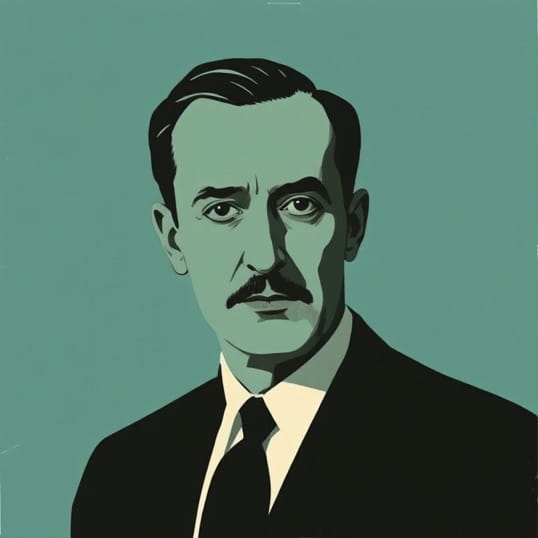
Graham Sutherland Portrait Of Somerset Maugham
The painting known as Graham Sutherland’s portrait of Somerset Maugham has long attracted attention from both art critics and literary enthusiasts. Created in the mid-20th century, it brought together two towering figures of their time Sutherland, a modern British painter celebrated for his expressive and sometimes unsettling style, and Maugham, a prolific writer known for his sharp storytelling and worldly observations. The portrait is remembered not only for its artistic value but also for the controversy and debate it stirred, reflecting the complicated relationship between artist, subject, and public perception.
Background on Graham Sutherland
Graham Sutherland was one of Britain’s most important modern painters. Born in 1903, he became known for landscapes, religious imagery, and powerful portraits. His works often carried a sense of distortion and emotional intensity, which gave them a unique place in the history of British art. By the 1940s and 1950s, Sutherland was highly sought after, commissioned to paint political leaders, industrialists, and cultural icons.
Unlike traditional portraitists, Sutherland was not interested in simply flattering his sitters. Instead, he attempted to capture something deeper an inner truth, even if it was unsettling. This made his works memorable, but it also caused tension with those who preferred conventional likenesses.
Somerset Maugham as a Subject
William Somerset Maugham, born in 1874, was one of the most successful writers of his generation. Famous for novels such asOf Human Bondage,The Razor’s Edge, and countless short stories, he became a household name by the mid-20th century. Maugham’s sharp wit and exploration of human flaws made him admired but also feared, as his observations were often brutally honest. By the time Sutherland painted him, Maugham was already a celebrated literary elder statesman, but also a man facing the complexities of aging and reputation.
For Sutherland, Maugham was not just another sitter. He was a figure whose face, personality, and reputation carried enormous cultural weight. This made the portrait a challenge as well as an opportunity.
The Creation of the Portrait
Commissioned in the 1940s, the portrait sessions between Graham Sutherland and Somerset Maugham were reportedly intense. Sutherland studied Maugham closely, focusing on his physical features and expressions. The painter’s approach was never about mere resemblance; it was about interpretation. He observed the aging writer’s lined face, thin lips, and penetrating eyes, translating them into his distinct style of angular forms and psychological weight.
The finished portrait showed Maugham with a frail, almost spectral presence. His body appeared diminished, his head slightly oversized, and his hands knotted with age. Sutherland’s treatment highlighted the vulnerability of an elderly man who had once commanded immense presence on the literary stage.
Reception and Controversy
When the portrait of Somerset Maugham was unveiled, the reactions were divided. Critics praised Sutherland for his uncompromising honesty and ability to reveal the inner essence of his subject. To them, the portrait was a profound exploration of mortality and the passage of time.
Maugham, however, reportedly despised the painting. He felt that Sutherland had made him appear grotesque, frail, and unattractive. For a man who valued his dignity and public image, the portrait was an affront. The tension between artist and subject soon became public, with the story of Maugham’s dislike adding to the notoriety of the work.
This clash was not unique. Other sitters of Sutherland, including Winston Churchill, had also rejected their portraits for similar reasons. It raised questions about the role of a portrait was it meant to flatter, or was it meant to tell a deeper truth, however uncomfortable?
Artistic Interpretation
From an artistic perspective, Graham Sutherland’s portrait of Somerset Maugham stands as a striking example of modern portraiture. Instead of idealizing his sitter, Sutherland emphasized fragility, imperfection, and psychological depth. The painting reminds viewers that portraiture is not always about beauty but about essence.
- Physical formThe angular features and sharp lines highlight Maugham’s age and frailty.
- Psychological depthThe eyes and posture convey weariness, perhaps even resignation.
- Modern styleBy breaking from realism, Sutherland aligned himself with modernist traditions that sought emotional truth over physical accuracy.
Symbolism and Deeper Meaning
The portrait can also be read as a meditation on the human condition. Maugham, once a powerful literary figure, is shown in decline, symbolizing the inevitability of aging and the fleeting nature of fame. Sutherland’s work is not a caricature but a reminder of vulnerability. In this sense, the portrait transcends its subject, becoming a universal statement about time and mortality.
The unsettling nature of the painting may explain why it remains discussed decades later. It forces viewers to confront uncomfortable truths rather than offering an easy, flattering image.
The Portrait in Context
Placed within the broader context of Sutherland’s career, the portrait of Somerset Maugham fits his pattern of challenging portraiture. Sutherland rarely gave in to his subjects’ wishes. He painted them as he saw them, often with a focus on inner turmoil or hidden frailty. This approach divided opinion but also cemented his place as one of the most important portraitists of modern Britain.
For Maugham, the portrait became part of his complex legacy. While he disliked it personally, the work reinforced his image as a man who, like his own characters, could not escape the ravages of time or the scrutiny of others.
Legacy of the Work
Today, Graham Sutherland’s portrait of Somerset Maugham continues to spark discussion among art historians, literary scholars, and the public. It stands as a reminder of the tension between artist and sitter, honesty and flattery, truth and appearance. The controversy surrounding it has ensured its lasting place in both art and literary history.
Although not universally admired, the portrait has value precisely because it is challenging. It does not allow easy admiration but demands reflection. For admirers of Maugham’s writing, it offers a visual counterpart to his own themes human frailty, hidden flaws, and the complexities of identity.
Key Takeaways
- The portrait was a collaboration between two cultural giants of the 20th century.
- Graham Sutherland’s style emphasized psychological truth over physical likeness.
- Somerset Maugham disliked the work, seeing it as unflattering and cruel.
- The painting remains important for its artistic honesty and symbolic depth.
The story of Graham Sutherland’s portrait of Somerset Maugham is more than an episode in art history. It is a reflection on truth, vanity, and the role of the artist. By portraying Maugham as frail and human rather than powerful and glamorous, Sutherland created an image that endures as a powerful meditation on aging and identity. Whether admired or despised, the painting continues to invite discussion, ensuring that both painter and sitter remain linked in cultural memory. It demonstrates how a single work of art can capture not only a person but also the complex dynamics between creation, perception, and legacy.