Graduated Cylinder Uses In Laboratory
In every laboratory, precise measurement of liquids is fundamental to conducting successful experiments. Among the most common tools for this purpose is the graduated cylinder, a simple yet highly versatile piece of laboratory equipment. Unlike beakers or flasks, which provide only approximate volume measurements, graduated cylinders are specifically designed to deliver accurate and consistent readings. Their design allows scientists, students, and researchers to measure liquid volumes with precision, which is essential for chemical reactions, solution preparations, and various analytical procedures. Understanding the uses and proper handling of graduated cylinders is key to maintaining accuracy and reliability in laboratory work.
Design and Features of a Graduated Cylinder
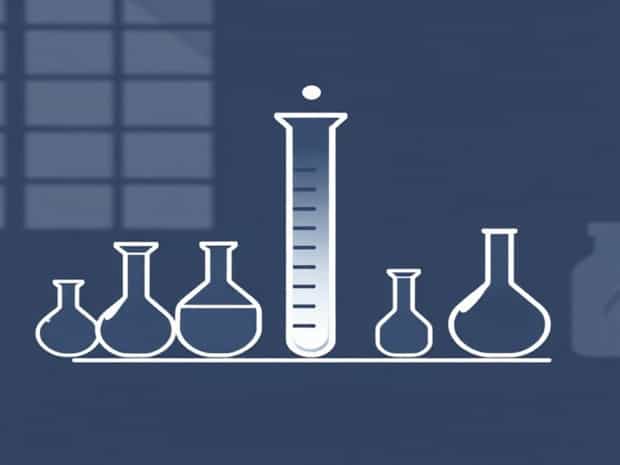
A graduated cylinder is typically a tall, narrow, cylindrical container made of glass or plastic, marked with a series of graduated lines along its length. These lines indicate specific volumes, usually in milliliters (mL), allowing for precise measurement of liquids. Graduated cylinders come in various sizes, ranging from a few milliliters to several liters, depending on the laboratory requirements. The narrow design minimizes the surface area, reducing the meniscus effect, which occurs when the liquid curves at the edges and can affect reading accuracy.
Key Components
- Graduation MarksLines etched or printed along the cylinder to indicate volume levels.
- MeniscusThe curved surface of a liquid inside the cylinder, which must be read at eye level for accuracy.
- BaseA wide, stable platform that prevents tipping and ensures the cylinder remains upright during measurement.
- MaterialOften made from borosilicate glass or durable plastic to resist chemical reactions and provide transparency for easy reading.
Primary Uses in the Laboratory
Graduated cylinders are indispensable in laboratories due to their precision and versatility. They are used in a wide range of applications, from educational experiments to professional research and industrial settings.
Measuring Liquid Volumes
The most straightforward use of a graduated cylinder is to measure the volume of liquids accurately. This is essential when preparing chemical solutions, conducting titrations, or mixing reagents. Accurate volume measurement ensures that chemical reactions occur under the correct conditions, which is crucial for reproducibility and safety.
Preparing Solutions
When creating solutions of specific concentrations, graduated cylinders allow for precise addition of solvents and solutes. For example, a chemist preparing a 0.1 M sodium chloride solution can use a graduated cylinder to measure the exact volume of water required to dissolve the solute. This precision prevents errors in molarity and ensures that experimental results are reliable.
Comparative Analysis
Graduated cylinders are often used for comparing the volumes of different liquids. In experiments involving density determination, the cylinder can be used to measure how much space a known mass of liquid occupies. This data can then be used to calculate density, which is critical in physical and chemical analyses.
Techniques for Accurate Measurement
Proper technique is essential to maximize the accuracy of graduated cylinder measurements. Observing the meniscus at eye level is critical. Liquids in a cylinder form a curved surface; reading the measurement at the bottom of the meniscus prevents parallax errors. Additionally, using cylinders with smaller diameter increases accuracy because the graduation lines are closer together, allowing finer readings.
Handling and Safety Tips
- Always place the cylinder on a flat, stable surface before taking a measurement.
- Pour liquids slowly to avoid splashing, which could lead to inaccurate readings.
- Clean the cylinder thoroughly before and after use to prevent contamination.
- Use appropriate personal protective equipment, such as gloves and goggles, especially when handling hazardous chemicals.
Comparing Graduated Cylinders to Other Laboratory Glassware
While beakers and flasks are common in labs, they are not designed for precise volume measurements. Beakers are typically used for mixing or heating liquids but provide only rough volume estimates. Flasks, such as Erlenmeyer flasks, are designed for containing reactions and minimizing spills but are not ideal for accurate measurement. Graduated cylinders fill this critical gap by offering precise measurement while remaining versatile enough for general lab use.
Advantages of Using Graduated Cylinders
- High accuracy compared to beakers or flasks.
- Clear visibility of the liquid level.
- Available in a wide range of sizes to suit different volumes.
- Durable and chemically resistant materials available.
Limitations
Despite their usefulness, graduated cylinders have limitations. They are less suitable for heating liquids due to their narrow design, which can make uniform heating difficult. For very small volumes, pipettes or burettes offer higher precision. Additionally, careless handling or improper reading of the meniscus can introduce errors.
Special Applications
Graduated cylinders are also used in specialized laboratory techniques beyond standard volume measurement. Some examples include
- Density DeterminationBy measuring the volume of a known mass of liquid, scientists can calculate its density accurately.
- Phase Separation StudiesIn chemistry and biology labs, graduated cylinders help observe the separation of immiscible liquids or sedimentation of ptopics.
- Reaction MonitoringResearchers can use cylinders to measure liquid reactants at different stages of a reaction to study kinetics and progress.
Maintenance and Care
Maintaining a graduated cylinder properly ensures accuracy and longevity. Glass cylinders should be handled carefully to avoid cracks or chips, which can affect measurements and safety. Plastic cylinders are less fragile but may scratch or stain over time. Regular calibration checks and careful cleaning with appropriate solvents prevent contamination and measurement errors. Proper storage in a stable, upright position minimizes the risk of accidental damage.
Graduated cylinders are essential tools in laboratories, providing accurate liquid measurement crucial for scientific experiments and research. Their unique design, clear graduation marks, and versatility make them more precise than general-purpose glassware like beakers and flasks. By understanding proper techniques for use, handling, and maintenance, scientists and students can ensure reliable results in experiments ranging from solution preparation to density determination. From educational settings to professional research labs, the graduated cylinder remains a fundamental instrument, demonstrating how simple yet well-designed equipment can have a profound impact on the accuracy and success of laboratory work.