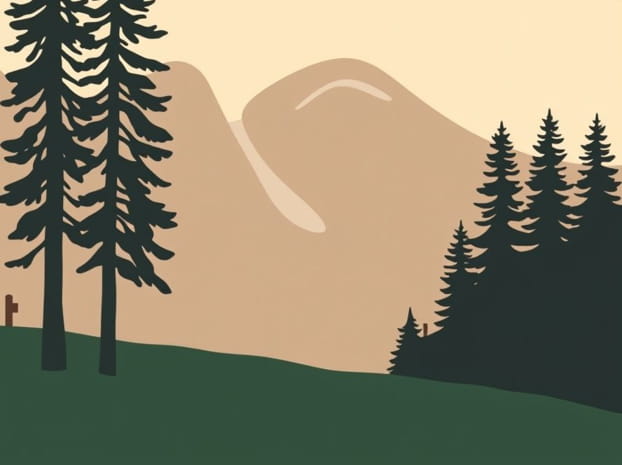
Gowlland Tod Provincial Park
Gowlland Tod Provincial Park is a hidden gem located on Vancouver Island, British Columbia, offering a unique blend of natural beauty, recreational opportunities, and ecological diversity. The park stretches across rugged terrain that transitions from forested hills to rocky shorelines, creating a landscape that is both scenic and ecologically significant. Visitors are drawn to its tranquil trails, panoramic viewpoints, and the sense of immersion in nature that the park provides. Whether hiking along its varied trails, exploring coastal areas, or observing wildlife, Gowlland Tod Provincial Park offers an experience that highlights the rich natural heritage of Vancouver Island.
Location and Access
Gowlland Tod Provincial Park is strategically located near the Saanich Peninsula, providing easy access from Victoria and nearby communities. The park encompasses over 1,500 hectares, including forested slopes, rocky cliffs, and shoreline areas along the Saanich Inlet. Access points to the park are well-marked, with parking areas at trailheads leading into extensive hiking networks. The proximity to urban centers makes the park an ideal destination for day trips, while its expansive trails and remote areas cater to longer explorations for avid hikers and nature enthusiasts.
Trails and Hiking Opportunities
The park offers a variety of trails that accommodate different skill levels, from casual walkers to experienced hikers. Trails wind through old-growth forests, cedar groves, and open meadows, often providing panoramic views of the surrounding inlets, mountains, and nearby islands. Popular routes include moderate hikes that lead to viewpoints overlooking Saanich Inlet, where visitors can enjoy scenic vistas and observe the interplay of light on the water. Trails are well-maintained but can be steep and challenging in some sections, rewarding hikers with a sense of accomplishment and immersion in nature.
Flora and Fauna
Gowlland Tod Provincial Park boasts diverse ecosystems that support a rich variety of plant and animal species. The forested areas are dominated by Douglas fir, western red cedar, and arbutus trees, while open meadows and coastal bluffs host wildflowers and native shrubs. These habitats provide shelter and food for numerous wildlife species, including black-tailed deer, raccoons, and small mammals. Birdwatchers can enjoy sightings of bald eagles, great blue herons, and various songbirds that inhabit the forest and shoreline areas. Seasonal changes in flora and fauna make each visit unique, with spring and summer bringing vibrant wildflowers and migratory birds, and fall offering colorful foliage and wildlife activity.
Ecological Importance
The park plays a vital role in conserving biodiversity and protecting sensitive ecosystems. Its forested slopes contribute to carbon sequestration and soil stabilization, while shoreline areas provide critical habitats for marine and intertidal species. Conservation efforts within the park focus on maintaining natural habitats, preventing invasive species from spreading, and monitoring wildlife populations. By preserving these ecosystems, Gowlland Tod Provincial Park supports ecological resilience and offers a living laboratory for environmental education and research.
Recreational Activities
Visitors to Gowlland Tod Provincial Park can enjoy a wide range of recreational activities beyond hiking. Picnicking areas and viewpoints provide opportunities for relaxation and photography, while coastal areas allow for tidepool exploration and nature observation. The park’s diverse terrain also makes it suitable for mountain biking on designated trails, though visitors are advised to check trail regulations and conditions. In winter, snowshoeing may be possible in higher elevations, adding to the park’s year-round appeal. Educational programs and guided nature walks occasionally take place, offering insights into the park’s natural and cultural heritage.
Scenic Views and Photography
The park’s varied landscapes offer abundant opportunities for photography and sightseeing. From forested ridges to rocky shorelines, each vantage point provides a unique perspective on Vancouver Island’s natural beauty. Panoramic views of Saanich Inlet, coupled with distant mountain ranges and islands, create picturesque scenes that attract both amateur and professional photographers. Seasonal variations in lighting, vegetation, and wildlife activity enhance the park’s visual appeal, making each visit a chance to capture a different aspect of its scenic charm.
Conservation and Environmental Education
Gowlland Tod Provincial Park emphasizes the importance of conservation and environmental stewardship. Trails are designed to minimize ecological impact, and signage educates visitors about native species, habitats, and responsible recreation practices. Volunteers and park staff engage in habitat restoration, invasive species management, and wildlife monitoring. Educational programs target school groups, families, and outdoor enthusiasts, promoting awareness of the park’s ecological significance. By integrating recreation with conservation, the park encourages visitors to appreciate and protect the natural environment.
- The park covers over 1,500 hectares of forested hills, cliffs, and shoreline along Saanich Inlet.
- Trail networks accommodate various skill levels, providing scenic viewpoints and diverse landscapes.
- Forests feature Douglas fir, western red cedar, and arbutus trees, while coastal areas host wildflowers and native shrubs.
- Wildlife includes black-tailed deer, raccoons, songbirds, bald eagles, and great blue herons.
- Recreational activities include hiking, mountain biking, picnicking, tidepool exploration, and winter snowshoeing.
- Panoramic views of Saanich Inlet and surrounding mountains offer excellent photography opportunities.
- Conservation efforts focus on habitat protection, invasive species management, and environmental education.
- Visitor programs encourage responsible recreation and ecological awareness.
Visitor Tips and Recommendations
For those planning a visit, it is recommended to wear sturdy footwear due to uneven terrain and steep sections along trails. Bringing water, snacks, and weather-appropriate clothing ensures a comfortable experience, especially for longer hikes. Observing wildlife from a distance and following park regulations helps preserve the natural environment. Maps and trail guides are available at trailheads, and visitors should check for seasonal closures or conditions that may affect access. Early morning or late afternoon visits often provide the best lighting for photography and quieter experiences with fewer visitors.
Community and Cultural Connections
Gowlland Tod Provincial Park is not only a natural sanctuary but also a cultural and historical resource. Indigenous communities have long-standing connections to the land, utilizing it for traditional practices and stewardship. Interpretive signage and educational initiatives acknowledge these connections, offering visitors an understanding of the cultural significance of the park. Collaborative conservation efforts between park authorities and local communities help maintain the park’s ecological and cultural integrity for future generations.
Gowlland Tod Provincial Park stands out as a destination that combines natural beauty, recreational opportunities, and ecological importance. Its forested slopes, rocky cliffs, and coastal landscapes provide habitats for diverse wildlife and a haven for visitors seeking tranquility and adventure. Hiking trails, scenic viewpoints, and outdoor activities make the park accessible and enjoyable for a wide range of visitors, while conservation and educational initiatives ensure its preservation. Whether exploring its trails, observing wildlife, or simply enjoying the serene landscapes, Gowlland Tod Provincial Park offers an immersive experience that highlights the richness of Vancouver Island’s natural heritage and the importance of protecting such treasured spaces for the future.