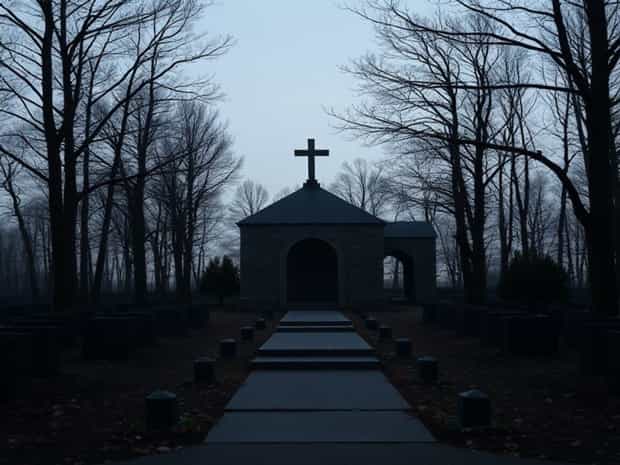
Goodbye Architecture:The Architecture Of Crematoria In Europe
In Europe, crematoria are more than just functional spaces for the disposition of the dead; they are profound reflections of cultural attitudes toward mortality, ritual, and memory. The architecture of these facilities balances technical requirements with emotional and symbolic significance, aiming to create environments that honor the deceased while offering solace to the living. From modernist simplicity to neo-classical grandeur, European crematoria display a remarkable diversity of styles, each shaped by historical context, religious traditions, and societal expectations. Exploring these structures reveals not only the evolution of architectural design but also the changing ways in which Europeans confront death.
Historical Context of European Crematoria
The emergence of crematoria in Europe is closely tied to shifts in societal practices and urbanization. In the 19th century, as cities became denser and traditional burial grounds faced space constraints, cremation gained popularity as a hygienic and efficient alternative. Early crematoria often combined utilitarian function with symbolic architecture, reflecting contemporary ideas about death, progress, and civic pride. Architects drew inspiration from classical and religious motifs, creating spaces that were both solemn and monumental, emphasizing the dignity of the ritual.
Key Architectural Movements
Several architectural movements influenced the design of European crematoria, each contributing unique characteristics
- Neo-ClassicalEarly crematoria frequently employed columns, pediments, and symmetrical layouts, evoking a sense of permanence and solemnity.
- Art Nouveau and JugendstilIn the late 19th and early 20th centuries, some crematoria incorporated organic forms, ornamental detailing, and flowing lines, softening the institutional feel of the buildings.
- ModernismPost-World War II crematoria often favored minimalism, clean lines, and functional layouts, reflecting a shift toward introspective and contemplative spaces rather than overt grandeur.
- Contemporary ArchitectureRecent designs embrace innovative materials, sustainable construction, and integration with natural landscapes, emphasizing the connection between life, death, and the environment.
Functional Requirements and Design Considerations
Crematoria must balance technical demands with the need to provide an emotionally supportive environment. Architects consider multiple factors, including
- Process FlowEfficient layout ensures smooth movement from entrance to ceremonial halls, viewing areas, and cremation chambers.
- Privacy and AcousticsSeparation of spaces for grieving families and operational areas is crucial, along with sound insulation to preserve solemnity.
- Light and AtmosphereNatural lighting, careful material choices, and open spaces contribute to a tranquil and reflective ambiance.
- Memorial IntegrationColumbariums, gardens, and commemorative spaces are incorporated to allow ongoing remembrance and community engagement.
Symbolism in Crematoria Architecture
Beyond functionality, crematoria architecture in Europe often communicates deeper symbolic meaning. Light, transparency, and vertical elements can suggest transcendence, while geometric simplicity conveys calm and order. Designers frequently employ materials such as stone, wood, and glass to evoke durability, warmth, and connection with nature. Landscaping is another key element gardens, reflecting pools, and carefully curated vegetation transform the site into a serene setting for contemplation and mourning.
Notable European Crematoria
Several crematoria in Europe stand out for their architectural significance and cultural impact. Examples include
- Westfriedhof Crematorium, Munich, GermanyDesigned by Hans Döllgast, this modernist structure emphasizes clean lines, natural light, and simplicity, creating a meditative atmosphere.
- Le Val d’Hôpital Crematorium, FranceIncorporates both contemporary design and landscaped gardens, emphasizing integration with the natural surroundings and providing a serene environment for visitors.
- Amsterdam Westgaarde Crematorium, NetherlandsCombines minimalist architecture with expansive glass facades, allowing natural light to play a symbolic role in the mourning process.
- Crematorium Essen, GermanyA post-war modernist approach highlights open spaces, functional clarity, and subtle symbolic gestures, balancing ritual and efficiency.
The Role of Landscape Architecture
Landscape design is essential in creating a holistic experience in European crematoria. Gardens, wooded areas, and water features soften the built environment and provide spaces for reflection. Many facilities incorporate walking paths and contemplative areas, inviting visitors to spend time in quiet remembrance. The integration of the crematorium with its landscape reflects a broader European tradition of harmonizing built structures with nature, reinforcing the idea of life cycles and continuity.
Emotional and Cultural Impact
The architecture of crematoria directly influences the emotional experience of visitors. Thoughtful design can reduce anxiety, support grieving, and provide a sense of closure. Cultural variations in mourning practices shape the architecture for example, Scandinavian crematoria often emphasize minimalism and connection with light, while Mediterranean designs may include more decorative elements and communal spaces. Across Europe, the careful balance of symbolism, comfort, and functionality reflects evolving attitudes toward death and remembrance.
Challenges in Modern Crematoria Design
Designing contemporary crematoria involves addressing several challenges. Architects must accommodate changing rituals, technological advancements in cremation equipment, and sustainability considerations. Accessibility for all visitors, including those with disabilities, is crucial. Additionally, balancing operational efficiency with aesthetic and emotional considerations requires careful planning and sensitivity to cultural expectations. Innovative designs increasingly explore modular construction, flexible interior spaces, and eco-friendly materials, aiming to reduce environmental impact while maintaining a dignified atmosphere.
Future Trends
Looking ahead, the architecture of European crematoria continues to evolve. Emerging trends include
- Eco-CrematoriaFacilities designed with renewable energy, low emissions, and sustainable materials.
- Integration with Memorial ParksCrematoria connected to broader parklands, offering extended spaces for contemplation and community events.
- Flexible, Multi-Purpose SpacesInteriors that accommodate a variety of ceremonial practices and changing cultural preferences.
- Technological IntegrationIncorporating audiovisual memorial options, digital remembrance tools, and advanced ventilation systems for operational efficiency.
The architecture of crematoria in Europe reveals a profound intersection of function, symbolism, and cultural expression. From historical neo-classical buildings to contemporary eco-friendly designs, these structures serve as spaces of remembrance, reflection, and mourning. Architects face the challenge of addressing technical requirements while providing emotionally supportive environments that honor both the deceased and the living. Through thoughtful design, the crematoria of Europe continue to evolve, reflecting society’s ongoing engagement with mortality, ritual, and memory. Exploring these spaces offers valuable insight into how architecture can shape human experiences of life, death, and legacy, making the act of saying goodbye both dignified and contemplative.