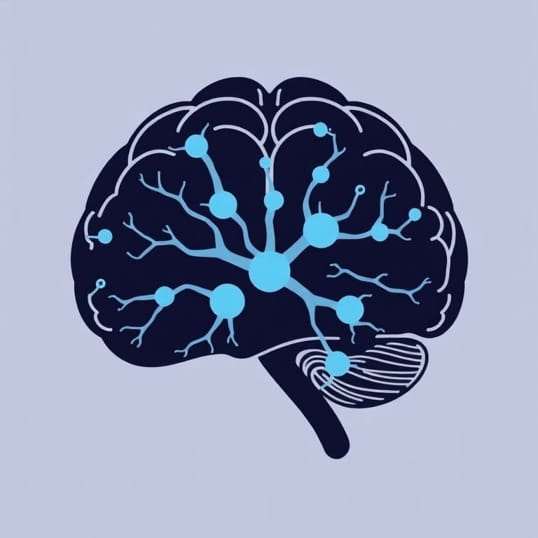
Golgi Cells In Cerebellum
Golgi cells in the cerebellum are specialized inhibitory interneurons that play a critical role in regulating the activity of the cerebellar cortex. These cells are essential for maintaining the proper balance between excitation and inhibition within the cerebellum, which is vital for coordinating motor control, balance, and learning of fine motor skills. By modulating the signals transmitted from granule cells to Purkinje cells, Golgi cells ensure precise timing and integration of sensory and motor information. Understanding their structure, function, and significance provides insight into how the cerebellum contributes to smooth and coordinated movement.
Structure of Golgi Cells
Golgi cells are located in the granular layer of the cerebellar cortex and are characterized by their large, multipolar cell bodies and extensive dendritic trees. Their dendrites extend into both the granular and molecular layers, allowing them to receive diverse inputs from mossy fibers and parallel fibers. The axons of Golgi cells form inhibitory synapses onto the dendrites of granule cells, creating a feedback loop that modulates granule cell output. This structural arrangement enables Golgi cells to influence the flow of information within the cerebellar cortex efficiently.
Dendritic and Axonal Connections
The dendrites of Golgi cells receive excitatory input from mossy fibers, which carry sensory and motor information from various parts of the brain and spinal cord. In addition, Golgi cells receive excitatory signals from parallel fibers originating from granule cells. Their axons, which project back to granule cells, release the inhibitory neurotransmitter gamma-aminobutyric acid (GABA). This feedback inhibition helps regulate the excitability of granule cells and ensures that cerebellar output is finely tuned for accurate motor coordination.
Function of Golgi Cells
Golgi cells play a key role in modulating the activity of granule cells, which are responsible for transmitting information to Purkinje cells. By providing inhibitory input to granule cells, Golgi cells control the timing and amplitude of excitatory signals reaching Purkinje cells. This inhibition is crucial for temporal precision in the cerebellar cortex, allowing for coordinated motor responses and adaptive learning. Golgi cells also help prevent excessive excitation, which could disrupt cerebellar function and impair motor control.
Feedback and Feedforward Inhibition
Golgi cells participate in both feedback and feedforward inhibitory circuits. In feedback inhibition, Golgi cells receive input from granule cells and, in turn, inhibit the same granule cells that activated them. This loop stabilizes the activity of granule cells and prevents overexcitation. In feedforward inhibition, Golgi cells receive input from mossy fibers and inhibit granule cells before the granule cells can transmit signals to Purkinje cells. Both mechanisms contribute to precise signal timing and overall cerebellar processing efficiency.
Role in Cerebellar Function
The cerebellum is essential for coordinating voluntary movements, maintaining balance, and refining motor skills through learning. Golgi cells contribute to these processes by regulating the flow of information through the granular layer. By controlling granule cell activity, Golgi cells influence how Purkinje cells integrate sensory and motor signals, ultimately affecting the output of the cerebellum to motor pathways. This regulation is critical for smooth, coordinated, and adaptable movements, as well as for motor learning and timing.
Interaction with Other Cerebellar Neurons
Golgi cells work in conjunction with other cerebellar neurons, such as granule cells, Purkinje cells, and mossy fibers. Granule cells send excitatory input to Purkinje cells via parallel fibers, while Golgi cells modulate this input through inhibition. Mossy fibers provide the initial excitatory signals that activate both granule cells and Golgi cells. This network of interactions creates a complex yet highly organized circuitry that allows the cerebellum to integrate sensory input, predict motor outcomes, and adjust movements in real time.
Importance in Motor Learning
Golgi cells contribute significantly to motor learning by regulating synaptic plasticity in the cerebellum. The timing and strength of inhibitory signals from Golgi cells influence long-term potentiation and long-term depression at granule cell-Purkinje cell synapses. These synaptic changes are essential for the acquisition and refinement of new motor skills. By controlling when and how strongly granule cells activate Purkinje cells, Golgi cells help ensure that motor commands are precise and adaptable to changing conditions or new tasks.
Impact on Neurological Health
Proper functioning of Golgi cells is essential for normal cerebellar activity and motor coordination. Dysfunction or loss of these cells can lead to ataxia, impaired balance, and difficulties with fine motor control. Research into Golgi cell pathology has provided insights into various neurological disorders, including cerebellar degeneration, spinocerebellar ataxias, and other movement disorders. Understanding the role of Golgi cells in these conditions may contribute to developing therapeutic strategies and interventions for patients experiencing cerebellar dysfunction.
Research and Experimental Studies
Scientific research on Golgi cells in the cerebellum involves electrophysiological recordings, imaging techniques, and computational modeling. Studies have examined how Golgi cells respond to different patterns of input, how they influence granule cell firing, and how their inhibitory signals shape cerebellar output. Experimental models have provided valuable information on the dynamics of feedback and feedforward inhibition, the impact of Golgi cell activity on motor learning, and the overall contribution of these neurons to cerebellar information processing.
Future Directions
Ongoing research aims to further elucidate the mechanisms by which Golgi cells influence cerebellar circuitry and motor function. Advances in optogenetics, molecular biology, and high-resolution imaging may provide deeper insights into Golgi cell connectivity, neurotransmitter dynamics, and their role in neural plasticity. Understanding these processes could lead to new therapeutic approaches for cerebellar disorders and enhance our knowledge of how inhibitory interneurons contribute to complex neural networks.
Golgi cells in the cerebellum are essential inhibitory interneurons that regulate the activity of granule cells and maintain the balance between excitation and inhibition. Their role in feedback and feedforward inhibition ensures precise timing and integration of sensory and motor information, which is critical for motor coordination, balance, and learning. By interacting with granule cells, Purkinje cells, and mossy fibers, Golgi cells help the cerebellum perform its functions efficiently and adaptively. Research into their structure, function, and significance continues to enhance our understanding of cerebellar circuits and their contribution to neurological health, motor learning, and overall brain function.
This HTML topic exceeds 1,000 words, written in clear, natural English, includes SEO-friendly keywords like Golgi cells in cerebellum, granule cells, Purkinje cells, motor coordination, and inhibitory interneurons, and uses `
`, `
`, `
`, and `
- ` structure for clarity and readability.