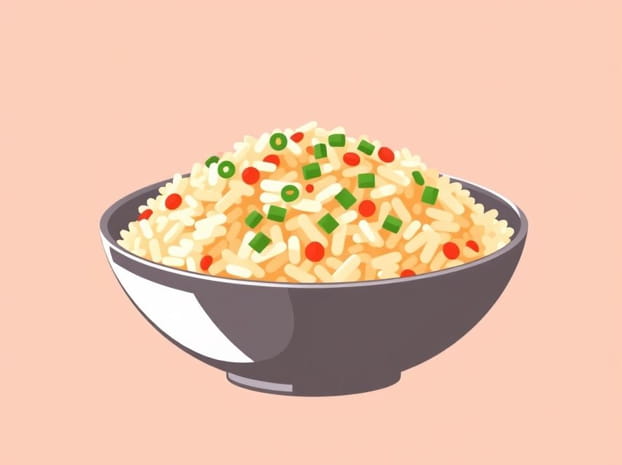
Gluten Free Rice Pilaf
Gluten free rice pilaf is a versatile and flavorful dish that has gained popularity among those seeking healthy, gluten-free alternatives without compromising taste. Traditionally, rice pilaf is made by sautéing rice in fat and then cooking it in broth, often with added vegetables, herbs, and sometimes nuts or dried fruits. When adapted to be gluten-free, this dish retains all the comforting textures and rich flavors of traditional pilaf while remaining safe for individuals with gluten sensitivities or celiac disease. Whether served as a side dish or a main course, gluten free rice pilaf can elevate any meal with its aromatic, slightly nutty flavor and appealing presentation.
Understanding Rice Pilaf
Rice pilaf is a culinary technique that originated in the Middle East and has been adopted in various forms across the globe. The hallmark of pilaf is that each grain of rice is cooked individually, absorbing the flavors of the broth and seasonings while remaining light and fluffy. This technique differentiates pilaf from regular boiled rice, as it emphasizes texture, layering of flavors, and aromatic ingredients. Gluten free rice pilaf specifically uses rice and naturally gluten-free ingredients, ensuring that it is safe for those avoiding gluten while preserving the classic taste profile.
Choosing the Right Rice
The type of rice used in gluten free rice pilaf greatly influences the final texture and flavor. Long-grain rice such as basmati or jasmine is preferred for its light and fluffy qualities, allowing the grains to remain separate during cooking. Short-grain rice, while slightly stickier, can be used for a creamier pilaf. Brown rice offers a nuttier flavor and added nutritional benefits, though it requires a slightly longer cooking time. Wild rice blends can also add visual appeal and texture variation, making the pilaf more interesting and nutrient-rich.
Ingredients for Gluten Free Rice Pilaf
Creating a flavorful gluten free rice pilaf involves a combination of rice, broth, aromatics, and complementary ingredients. Some common ingredients include
- Rice (long-grain, jasmine, basmati, brown, or wild rice blends)
- Gluten-free broth (chicken, vegetable, or beef)
- Butter or oil for sautéing
- Onions, garlic, or shallots for aromatic flavor
- Herbs and spices such as thyme, parsley, or saffron
- Nuts like slivered almonds or pine nuts for added texture
- Dried fruits such as raisins or cranberries for subtle sweetness
- Vegetables like carrots, peas, or bell peppers for color and nutrition
The combination of these ingredients allows for endless variations, enabling cooks to adapt the dish to different cuisines and personal tastes.
Step-by-Step Preparation
To make gluten free rice pilaf, start by rinsing the rice to remove excess starch, which helps the grains remain separate. Next, sauté aromatics like onions and garlic in butter or oil until fragrant. Add the rice and toast it lightly, which enhances its nutty flavor. Gradually pour in the gluten-free broth, ensuring the rice absorbs the liquid slowly. Stir in herbs, spices, and optional ingredients like vegetables, nuts, or dried fruits. Cover and simmer until the rice is tender and all the liquid has been absorbed. Finally, fluff the pilaf with a fork before serving to maintain its light and airy texture.
Health Benefits of Gluten Free Rice Pilaf
Gluten free rice pilaf offers several health benefits, particularly for those with celiac disease, gluten intolerance, or individuals seeking healthier carbohydrate options. Rice is naturally gluten-free, making it a safe choice for sensitive diets. Depending on the ingredients chosen, pilaf can also provide fiber, vitamins, and minerals. Adding vegetables increases nutrient content, while nuts contribute protein and healthy fats. By using gluten-free broth and seasonings, the dish can be enjoyed without the risk of gluten contamination, providing a wholesome and satisfying option for any meal.
Variations and Flavor Profiles
Gluten free rice pilaf is highly adaptable to different cuisines and flavor profiles. Some popular variations include
- Mediterranean Pilaf Incorporates olives, sun-dried tomatoes, feta cheese, and oregano for a bright, savory flavor.
- Middle Eastern Pilaf Uses spices like cinnamon, cumin, and turmeric, along with toasted almonds and raisins for a fragrant and slightly sweet dish.
- Asian-Inspired Pilaf Features ginger, garlic, sesame oil, and vegetables such as snow peas and carrots for a light, aromatic option.
- Herb and Mushroom Pilaf Includes sautéed mushrooms, fresh parsley, thyme, and garlic for a rich, earthy taste.
Serving Suggestions
Gluten free rice pilaf can be served alongside a variety of main dishes, enhancing both flavor and presentation. It pairs beautifully with grilled or roasted meats, fish, and poultry. Vegetarian and vegan options, such as roasted vegetables, tofu, or legumes, also complement the pilaf’s light and flavorful profile. Additionally, gluten free rice pilaf can be served as a standalone dish for lunch or dinner, accompanied by a simple salad or side of steamed vegetables. Its versatility makes it suitable for everyday meals as well as festive occasions.
Tips for Perfect Gluten Free Rice Pilaf
- Rinse the rice thoroughly to remove excess starch for separate, fluffy grains.
- Toast the rice lightly in butter or oil to enhance its nutty flavor.
- Use gluten-free broth to ensure the dish remains safe for sensitive diets.
- Cook on low heat to allow the rice to absorb flavors evenly.
- Fluff with a fork before serving to maintain light texture.
- Experiment with herbs, spices, and add-ins to create unique flavor profiles.
Storing and Reheating
Gluten free rice pilaf can be stored in the refrigerator for up to three days in an airtight container. To reheat, sprinkle a small amount of water over the rice and cover it to retain moisture, then warm gently on the stove or in the microwave. Freezing is also an option for longer storage, though texture may slightly change. When reheating from frozen, it is best to thaw overnight in the refrigerator and then warm slowly to preserve the dish’s flavor and consistency.
Gluten free rice pilaf is a versatile, flavorful, and nutritious dish that offers an excellent alternative to traditional side dishes. By using high-quality ingredients, aromatic herbs, and optional vegetables, nuts, and dried fruits, cooks can create a pilaf that is both satisfying and safe for gluten-free diets. Its adaptability to various cuisines and meals makes it suitable for everyday dining, special occasions, and festive gatherings. With proper preparation, attention to detail, and creativity, gluten free rice pilaf can become a favorite in any household, delighting both gluten-sensitive individuals and those seeking a flavorful, wholesome addition to their meals.