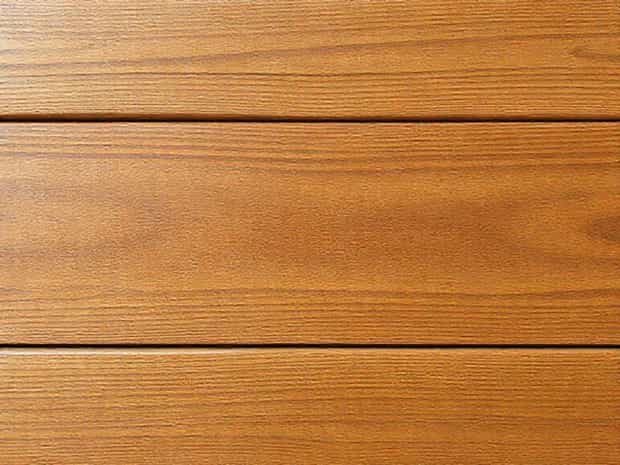
Gloss Paint On Varnished Wood
Applying gloss paint on varnished wood can be a transformative way to update furniture, cabinets, or other wooden surfaces, giving them a sleek, polished look. However, painting over varnished wood requires careful preparation and technique to ensure proper adhesion and a smooth, professional finish. Without proper surface preparation, gloss paint may peel, chip, or appear uneven, which can compromise both the appearance and durability of the finish. Understanding the right steps, materials, and methods is essential to achieve a long-lasting and attractive result on varnished wood surfaces.
Understanding Gloss Paint
Gloss paint is known for its high sheen and reflective surface, which can brighten spaces and highlight the contours of furniture or woodwork. It is durable and resistant to moisture, making it suitable for areas like kitchens, bathrooms, and high-traffic surfaces. However, because of its shiny finish, gloss paint tends to show imperfections more than matte or satin paints, which makes surface preparation critical when painting over varnished wood.
Types of Gloss Paint
- Oil-Based Gloss PaintProvides a hard, durable finish that is highly resistant to wear and tear. It dries slowly but offers excellent adhesion when applied correctly over prepared surfaces.
- Water-Based (Acrylic) Gloss PaintDries faster, has lower odor, and is easier to clean up with water. It is suitable for many indoor projects and is less likely to yellow over time compared to oil-based paints.
Challenges of Painting Over Varnished Wood
Varnished wood is coated with a protective finish that makes the surface smooth and resistant to stains, moisture, and scratches. While this finish protects the wood, it also prevents new paint from adhering properly. Gloss paint requires a surface that it can grip, and unprepared varnished wood can cause adhesion problems, resulting in peeling or flaking paint.
Common Problems
- Peeling or FlakingGloss paint may not stick to the varnished surface without proper sanding or priming.
- Uneven FinishSmooth varnished surfaces can make brush strokes or roller marks more visible under gloss paint.
- Longer Drying Time or BubblesInadequate surface preparation can cause moisture or air pockets under the paint, leading to bubbles or extended drying periods.
Preparation Steps for Painting Gloss Paint on Varnished Wood
Proper preparation is the most critical factor when applying gloss paint over varnished wood. Following these steps ensures better adhesion and a smooth, long-lasting finish.
1. Clean the Surface
Remove any dust, grease, or dirt from the varnished wood using a mild detergent solution or a wood cleaner. Rinse the surface with water and allow it to dry completely. Cleaning ensures that the paint will bond properly without interference from contaminants.
2. Sanding
Lightly sand the varnished wood with fine-grit sandpaper (around 220 grit) to create a slightly rough surface for the paint to adhere to. Focus on evenly scuffing the surface rather than removing the varnish completely. After sanding, wipe away dust with a tack cloth or damp rag.
3. Priming
Applying a suitable primer is essential for painting over varnished wood. Choose a high-quality bonding primer compatible with both the existing varnish and the gloss paint. Oil-based primers are often preferred for oil-based gloss paints, while water-based bonding primers can work well under water-based gloss paints. Priming helps prevent peeling and improves the overall durability of the finish.
4. Filling Imperfections
Use wood filler to repair any scratches, dents, or holes on the surface. Smooth the filler with sandpaper once it dries to maintain a flat surface. Filling imperfections is important because gloss paint highlights every bump and scratch.
Application Techniques
Once the wood is prepared, proper painting techniques ensure a smooth and professional-looking finish.
Brush vs Roller
For small surfaces or detailed areas, use a high-quality synthetic brush to apply gloss paint. For larger flat surfaces, a foam roller can help achieve an even finish without brush marks. Applying thin, even coats is more effective than attempting to cover the surface with a single thick layer.
Layering and Drying
Allow each coat of paint to dry completely according to the manufacturer’s instructions before applying the next layer. Typically, two to three coats are required to achieve full coverage and a uniform glossy finish. Lightly sanding between coats with very fine sandpaper (around 400 grit) can help achieve a glass-like finish and remove minor imperfections.
Environmental Considerations
Paint in a well-ventilated area to reduce fumes and ensure proper drying. Avoid painting in high humidity or extremely cold temperatures, as these conditions can affect the paint’s adhesion and drying time. Temperature and ventilation control play an important role in achieving a durable gloss finish.
Maintenance of Gloss Paint on Varnished Wood
Gloss-painted wood surfaces require regular care to maintain their shiny appearance and durability. Clean surfaces gently with a soft cloth and mild soap solution to avoid scratching the paint. Avoid harsh chemicals or abrasive cleaning tools that can damage the glossy finish. Over time, touch-ups may be needed, but properly prepared surfaces generally maintain their beauty for years.
Pros and Cons of Using Gloss Paint on Varnished Wood
Pros
- Creates a sleek, reflective finish that enhances the look of furniture and woodwork.
- Durable and resistant to moisture, making it ideal for kitchens, bathrooms, and high-traffic areas.
- Can refresh and modernize old varnished wood without complete refinishing.
- High-gloss surfaces are easier to clean compared to matte finishes.
Cons
- Requires thorough preparation, including cleaning, sanding, and priming.
- Gloss paint highlights surface imperfections, making sanding and filling crucial.
- Multiple coats may be necessary for full coverage.
- Improper technique or preparation can result in peeling or uneven finish.
Applying gloss paint on varnished wood can dramatically enhance the appearance of furniture, cabinets, and wooden features in a home. Success depends heavily on proper preparation, including cleaning, sanding, priming, and filling imperfections. Using the right type of gloss paint and application techniques ensures a smooth, shiny, and durable finish that can last for years. Homeowners seeking a refreshed look for their varnished wood without stripping it completely will find gloss paint to be a versatile and effective solution, providing both aesthetic appeal and functional durability.
By carefully following preparation and painting steps, gloss paint can transform existing varnished wood into a contemporary, high-gloss masterpiece, combining beauty and practicality in any room of the house.