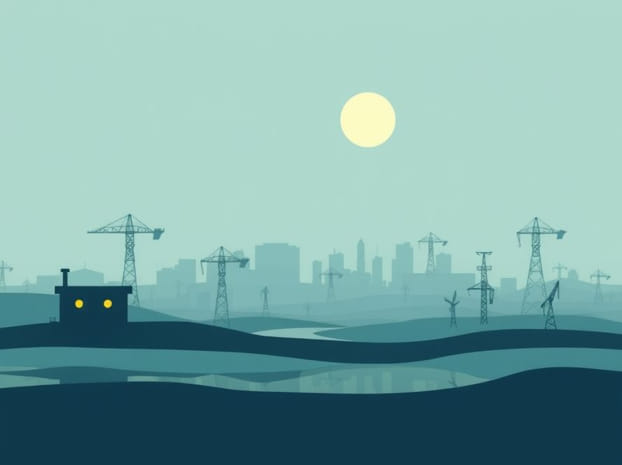
Glimpse Of A Polluted Future
The world is currently facing unprecedented environmental challenges that threaten the delicate balance of ecosystems, human health, and the global economy. As industrialization, urbanization, and consumption continue at alarming rates, a glimpse of a polluted future becomes increasingly evident. From smog-filled cities to oceans choked with plastic, the consequences of unchecked pollution are beginning to manifest on a global scale. Understanding this future is crucial if humanity hopes to implement sustainable practices and safeguard the planet for generations to come.
Air Pollution and Urban Landscapes
One of the most visible indicators of a polluted future is the state of urban air quality. Cities around the world are grappling with toxic smog, largely caused by vehicular emissions, industrial discharges, and energy production from fossil fuels. The World Health Organization estimates that millions of deaths annually are linked to air pollution. In a glimpse of a polluted future, metropolises could become almost uninhabitable during certain seasons, with visibility reduced to a few meters and respiratory illnesses becoming commonplace.
Sources of Air Pollution
- TransportationEmissions from cars, trucks, and buses release nitrogen oxides and particulate matter into the atmosphere.
- Industrial ActivitiesFactories and power plants emit sulfur dioxide, carbon monoxide, and other harmful chemicals.
- Construction and UrbanizationDust, cement production, and heavy machinery contribute to airborne particulate matter.
- Residential Heating and CookingIn developing nations, biomass and coal burning in homes add significantly to indoor and outdoor pollution.
Water Contamination and Ecosystem Collapse
Water pollution is another major concern in envisioning a polluted future. Rivers, lakes, and oceans are increasingly contaminated with industrial chemicals, agricultural runoff, and plastic debris. This not only affects aquatic life but also jeopardizes human access to clean drinking water. In a future dominated by pollution, coastal cities may face severe health crises, fisheries may collapse, and entire marine ecosystems could be irreversibly damaged.
Impacts on Health and Society
- Contaminated Drinking WaterLeads to outbreaks of waterborne diseases such as cholera, dysentery, and hepatitis.
- Food Chain DisruptionPollutants bioaccumulate in fish and other marine life, affecting human nutrition.
- Economic StrainCleaning polluted water bodies and addressing health issues impose heavy financial burdens on governments.
Soil Degradation and Agricultural Challenges
Soil pollution, largely from chemical fertilizers, pesticides, and heavy metals, is another alarming indicator of a polluted future. Contaminated soil reduces agricultural productivity and affects the quality of food produced. Over time, soil that is degraded may become unsuitable for farming, forcing communities to rely on expensive imports and jeopardizing food security. In heavily industrialized regions, entire tracts of land could become barren, creating environmental and economic crises.
Consequences for Farming
- Reduced Crop YieldsToxic substances in soil stunt plant growth and reduce nutritional value.
- Loss of BiodiversityContaminated soil kills beneficial microorganisms essential for healthy ecosystems.
- Long-Term Soil InactivationHeavy metal accumulation can render land unusable for generations.
Plastic Pollution and Waste Accumulation
Plastic waste is one of the most pervasive forms of pollution, affecting both land and water. Single-use plastics, discarded packaging, and microplastics are increasingly prevalent in oceans, rivers, and even the air. A glimpse of a polluted future shows beaches covered in plastic debris, marine animals entangled in waste, and microplastics infiltrating the food chain. Unless consumption patterns change, the environmental and health consequences will continue to worsen.
Strategies to Address Plastic Pollution
- Recycling ProgramsPromote the collection and reuse of plastics to reduce waste.
- Biodegradable AlternativesEncourage production and use of materials that break down naturally.
- LegislationImplement bans on single-use plastics and impose strict waste management policies.
Climate Change and the Polluted Future
Climate change exacerbates the effects of pollution. Rising global temperatures increase the frequency of wildfires, which release massive amounts of smoke and particulate matter into the air. Melting ice caps and rising sea levels contribute to water pollution and habitat loss. In a polluted future, the synergy between climate change and environmental degradation could result in extreme weather events, mass migration, and widespread ecological collapse.
Mitigation Measures
- Renewable EnergyTransitioning from fossil fuels to solar, wind, and hydro power reduces air pollution and carbon emissions.
- Urban PlanningIncorporating green spaces and reducing urban sprawl can improve air quality.
- Sustainable AgricultureOrganic farming and reduced chemical usage protect soil and water quality.
Global Responsibility and Individual Action
Addressing a polluted future requires cooperation between governments, industries, and individuals. International agreements, such as the Paris Climate Accord, set frameworks for reducing emissions and mitigating environmental damage. However, individual actions also matter reducing plastic use, conserving energy, and supporting sustainable products can collectively make a significant impact. By understanding the potential consequences, societies can take proactive steps to prevent the bleak scenario of widespread pollution.
A glimpse of a polluted future serves as a warning of the environmental consequences of unchecked human activity. Air, water, and soil pollution, combined with climate change and waste accumulation, threaten the health and stability of ecosystems worldwide. While the challenges are formidable, proactive measures at the governmental, industrial, and personal levels can help mitigate these effects. By taking decisive action today, humanity can ensure a cleaner, healthier, and more sustainable future for generations to come.