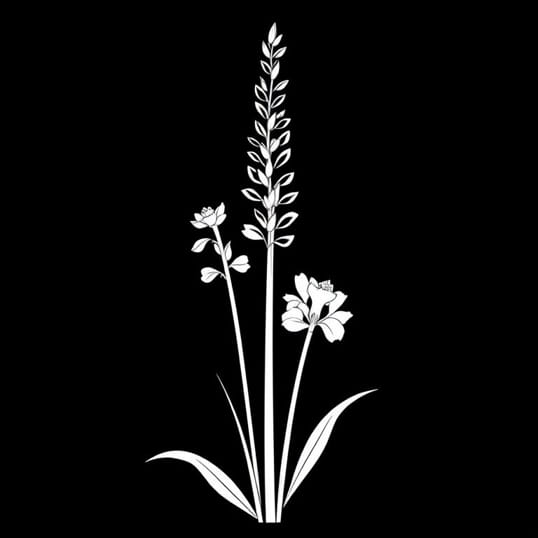
Gladiolus X Hortulanus Cv Gladiolus
Gladiolus x hortulanus cv Gladiolus is a stunning hybrid flower that has captured the admiration of gardeners and horticulturists worldwide. Known for its tall, elegant spikes and vibrant blooms, this plant is a favorite for both ornamental gardening and cut flower arrangements. Its beauty, combined with relative ease of cultivation, makes it an ideal choice for gardeners looking to add color and vertical interest to flower beds, borders, or containers. The hybrid nature of Gladiolus x hortulanus allows it to display a wide range of colors and patterns, making each cultivar a unique addition to any garden. Understanding the characteristics, cultivation methods, and care requirements of this plant ensures that it thrives and produces the spectacular flowers it is known for.
Origin and Hybridization
Gladiolus x hortulanus is the result of hybridization between various species of the Gladiolus genus, combining desirable traits such as vibrant color, large flower size, and prolonged blooming periods. The abbreviation cv stands for cultivar, indicating that this specific plant is a cultivated variety selected for its unique characteristics. The hybridization process has allowed horticulturists to create varieties that are not only visually striking but also resilient and adaptable to different growing conditions. These cultivars are widely distributed and cultivated in temperate and subtropical regions, making them accessible to gardeners around the world.
Physical Characteristics
Gladiolus x hortulanus cv Gladiolus is characterized by its tall, sword-like leaves and upright flower spikes. The stems can grow between 2 to 5 feet depending on the variety and growing conditions. Each spike is adorned with multiple blooms, arranged in a funnel or trumpet shape, which open sequentially from the bottom upwards. The flowers come in a diverse palette of colors, including red, pink, white, yellow, orange, and purple, often with intricate patterns or gradients. This vibrant display makes the plant ideal for creating visual impact in garden beds or floral arrangements.
Flowering and Blooming Season
One of the most appealing aspects of Gladiolus x hortulanus is its extended blooming period. Typically, flowering occurs from midsummer to early autumn, depending on climate and planting time. The sequential opening of the blossoms ensures that the flower spike remains attractive for several weeks, providing continuous color and interest. Gardeners often plant corms at staggered intervals to extend the display and maintain a succession of blooms throughout the season.
Growing Conditions
To achieve optimal growth and flowering, Gladiolus x hortulanus requires specific environmental conditions. Understanding these needs helps gardeners maximize the plant’s potential and maintain healthy, vibrant blooms.
Soil Requirements
This hybrid thrives in well-draining soil rich in organic matter. Sandy loam or loamy soil types are ideal because they prevent waterlogging, which can lead to corm rot. Incorporating compost or aged manure into the soil enhances fertility and promotes strong growth. Soil pH should be slightly acidic to neutral, ranging from 6.0 to 7.0, to support nutrient uptake and overall plant health.
Sunlight and Temperature
Gladiolus x hortulanus requires full sunlight for at least six hours per day. Adequate sunlight promotes strong stems, vibrant flower color, and prolonged blooming. The plant prefers moderate temperatures but can tolerate warmer climates if adequately watered. Protection from strong winds is advisable, as tall flower spikes may bend or break under pressure. In cooler climates, corms should be planted after the last frost date to ensure successful establishment and growth.
Watering and Fertilization
Consistent moisture is crucial during the growing and flowering stages, but the soil should never be waterlogged. Watering deeply once or twice a week is generally sufficient, with adjustments made based on weather conditions. Fertilization with a balanced, water-soluble fertilizer every two to three weeks during the growth phase encourages strong foliage and abundant blooms. Avoid over-fertilizing with high nitrogen levels, as this can promote leaf growth at the expense of flowers.
Propagation and Planting
Gladiolus x hortulanus cv Gladiolus is propagated through corms, which are bulb-like structures that store nutrients and energy. Proper planting techniques ensure successful establishment and healthy flowering.
Planting Depth and Spacing
Corms should be planted about 4 to 6 inches deep, with the pointed end facing upward. Adequate spacing of 6 to 8 inches between corms allows for air circulation and prevents overcrowding, which can reduce flowering and increase disease susceptibility. Staggered planting every two to three weeks can extend the flowering season and maintain a continuous display of blooms in the garden.
Caring for Corms
During the growing season, regular watering, fertilization, and removal of spent flowers help maintain plant health. After flowering, the foliage should be left intact until it turns yellow and dies back naturally. This process allows the corms to store energy for the following year. In colder regions, corms should be dug up, cleaned, and stored in a cool, dry place over winter to protect them from frost damage.
Uses in Landscaping and Floristry
Gladiolus x hortulanus cv Gladiolus is widely used both in garden design and as cut flowers due to its striking appearance and versatility. Its tall spikes create vertical interest in flower beds and borders, making it ideal for mixed plantings or formal gardens. The wide range of colors allows for creative combinations and seasonal themes. In floristry, Gladiolus flowers are prized for their long stems, vibrant colors, and prolonged vase life, making them perfect for arrangements, bouquets, and decorative displays.
Companion Plants
Pairing Gladiolus with lower-growing plants such as marigolds, petunias, or ornamental grasses enhances visual appeal by contrasting height and texture. Companion planting can also improve garden aesthetics and encourage pollinators, contributing to overall garden health and biodiversity.
Pest and Disease Management
While generally resilient, Gladiolus x hortulanus can be susceptible to certain pests and diseases. Common pests include aphids, thrips, and spider mites, which can be managed with regular monitoring and appropriate insecticidal treatments. Fungal diseases such as botrytis or fusarium rot may occur in poorly drained soil or humid conditions. Proper spacing, soil management, and removal of infected foliage can minimize these risks and ensure healthy plants.
Gladiolus x hortulanus cv Gladiolus is a versatile, beautiful, and rewarding plant for both novice and experienced gardeners. Its vibrant flowers, tall spikes, and extended blooming period make it a standout addition to any garden or floral arrangement. By understanding its growth requirements, including soil, sunlight, watering, and fertilization, gardeners can cultivate healthy plants that thrive year after year. Propagation through corms and careful seasonal care ensures continued flowering and longevity. Whether used for landscaping or cut flowers, Gladiolus x hortulanus offers unmatched beauty and elegance, making it a timeless choice for gardens worldwide.