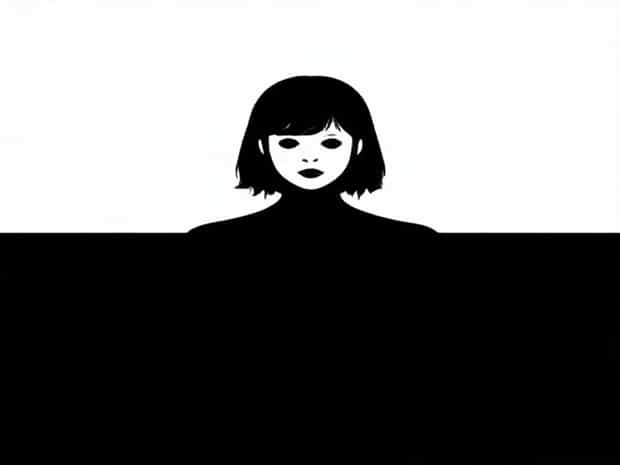
Girl Interrupted Borderline Personality Disorder
When discussing mental health in literature and film, one story that stands out is Girl, Interrupted. The memoir by Susanna Kaysen and its film adaptation delve into the struggles of young women facing psychiatric conditions, with a particular focus on borderline personality disorder (BPD). This condition is complex, often misunderstood, and frequently dramatized in popular culture. Through the lens of the memoir and film, readers and viewers gain insight into the daily challenges faced by those living with BPD, as well as the ways in which society perceives them. Exploring the connection between Girl, Interrupted and borderline personality disorder allows us to better understand the human experience behind the diagnosis.
Understanding Borderline Personality Disorder
Borderline personality disorder is a mental health condition characterized by intense emotions, unstable relationships, impulsivity, and a fragile sense of identity. People with BPD often struggle with fear of abandonment and may swing between idealizing and devaluing those close to them. Symptoms can include mood instability, self-harm, suicidal ideation, and difficulty managing stress. The condition is not only challenging for those diagnosed but also for their families and loved ones who may not fully understand the depth of emotional turmoil involved.
Key Characteristics of BPD
- Extreme sensitivity to perceived rejection or abandonment
- Unstable self-image and identity
- Rapid changes in mood and emotions
- Patterns of intense and stormy relationships
- Impulsive behaviors such as reckless spending or substance abuse
- Self-harming actions or suicidal thoughts
These features play a significant role in how Girl, Interrupted presents the struggles of its characters, particularly Susanna herself, who is diagnosed with borderline personality disorder during her stay in a psychiatric facility.
The Memoir and Film Adaptation
Susanna Kaysen’s memoir, published in 1993, is a semi-autobiographical account of her time in McLean Hospital during the 1960s. The book gives a raw and honest perspective on mental illness, institutional life, and the complexities of psychiatric treatment. When it was adapted into a 1999 film starring Winona Ryder and Angelina Jolie, the story reached a broader audience and sparked discussions about mental health, stigma, and the portrayal of borderline personality disorder in media.
Susanna Kaysen’s Experience
Kaysen was admitted to the hospital after a suicide attempt and was later diagnosed with borderline personality disorder. Her narrative describes the uncertainty, confusion, and emotional pain that came with both the diagnosis and the treatment she received. Through her writing, she questioned whether her behavior truly reflected a mental illness or whether it was a reaction to societal pressures and expectations placed on young women at the time. This tension makes Girl, Interrupted especially powerful, as it challenges readers to reflect on how mental health diagnoses are shaped by cultural contexts.
The Characters and Their Struggles
In the film adaptation, each character embodies different aspects of mental health conditions, allowing viewers to see a spectrum of psychiatric challenges. While Susanna represents BPD, Lisa, played by Angelina Jolie, is a sociopath with manipulative tendencies. Other characters struggle with eating disorders, depression, and obsessive-compulsive disorder. This ensemble cast highlights the diversity of mental health experiences while focusing primarily on Susanna’s journey toward self-understanding and healing.
BPD in the Context of Girl, Interrupted
The connection between Girl, Interrupted and borderline personality disorder is more than just a diagnosis it represents the inner conflict of identity, relationships, and self-worth. For Susanna, her diagnosis becomes both a label and a lens through which others view her. The memoir raises questions about how society categorizes people with mental health conditions and whether those categories help or harm the individual. The hospital setting becomes a microcosm of the outside world, where judgment, misunderstanding, and compassion collide.
The Fear of Abandonment
One of the most recognizable traits of BPD, fear of abandonment, is central to Susanna’s story. Her relationships, both romantic and platonic, are marked by insecurity and intense dependency. In the film, this is depicted through her unstable interactions with her boyfriend and the constant push-and-pull dynamic with Lisa. This mirrors real-life experiences of people with BPD who often feel an overwhelming dread of being left alone.
Emotional Instability and Identity Struggles
Another theme of BPD reflected in the story is the fragile sense of identity. Susanna frequently questions who she is and whether her behaviors define her as crazy. Her emotional ups and downs, which range from despair to moments of clarity, reflect the instability that many individuals with BPD face daily. This portrayal brings depth to her character while shedding light on the complexities of the disorder.
Societal Perceptions and Stigma
One of the most important contributions of Girl, Interrupted to public discussions on mental health is its exploration of stigma. In the 1960s, psychiatric patients were often marginalized and dismissed by society. Women, in particular, faced added scrutiny, as their emotions and behaviors were frequently labeled as hysteria or instability. The memoir highlights this bias, showing how gender roles and societal expectations influenced the diagnosis and treatment of women in psychiatric institutions.
The Question of Normalcy
Kaysen’s memoir also challenges the idea of what it means to be normal. Throughout her narrative, she questions whether her diagnosis was appropriate or whether it was a way of controlling nonconformist behavior. This resonates with many individuals who feel that their struggles are pathologized rather than understood. By blurring the line between sanity and illness, Girl, Interrupted encourages readers to rethink how society defines mental health.
Impact on Mental Health Conversations
Both the book and film adaptation played a role in opening up conversations about borderline personality disorder and mental illness more broadly. For many, it was their first exposure to the concept of BPD, sparking interest in learning more about the condition. While the portrayals were not without criticism some felt that Hollywood dramatized certain elements the overall impact was to bring greater awareness to a condition often left in the shadows.
Inspiration for Advocacy
Girl, Interrupted has inspired mental health advocacy by showing the human side of psychiatric struggles. Instead of reducing people to their diagnoses, it highlights their individuality, creativity, and resilience. This perspective is especially important for people with BPD, who are frequently stigmatized as difficult or unpredictable. By humanizing their experiences, the memoir and film contribute to breaking down harmful stereotypes.
Girl, Interrupted remains a powerful exploration of borderline personality disorder and its impact on identity, relationships, and self-perception. Through Susanna Kaysen’s memoir and its film adaptation, audiences are invited to see beyond labels and diagnoses to the lived reality of those who struggle with emotional instability. By shedding light on the complexities of BPD, the story not only educates but also fosters empathy, making it a valuable contribution to mental health awareness. For readers and viewers alike, it underscores the importance of compassion, understanding, and questioning how society treats individuals who navigate life on the edge of what is considered normal.