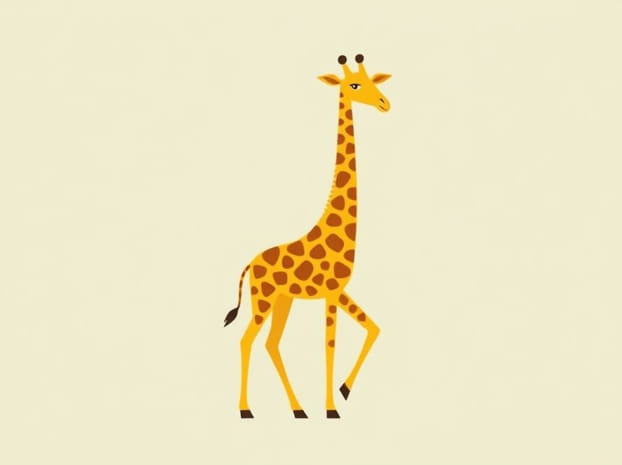
Giraffa Camelopardalis Common Name
The giraffa camelopardalis, commonly known as the giraffe, is one of the most iconic and recognizable animals in the world. Renowned for its towering height, long neck, and distinctive coat pattern, the giraffe has fascinated humans for centuries. The common name giraffe is used widely across the globe, making it easily identifiable in both scientific and casual contexts. Understanding the giraffe’s biology, behavior, habitat, and conservation status provides valuable insight into why this majestic species continues to captivate people and plays a crucial role in its ecosystem.
Scientific Classification and Common Name
The giraffe belongs to the genusGiraffaand the speciescamelopardalis, giving it the scientific nameGiraffa camelopardalis. Its common name, giraffe, is derived from the Italian word giraffa, which has roots in the Arabic term zarÄfa, meaning fast-walker. Historically, the species was once referred to as the camelopard due to its camel-like body and leopard-like spots, reflecting early human attempts to describe the animal using familiar terms. Today, the term giraffe is universally recognized, bridging both scientific and everyday usage.
Why the Common Name Matters
The common name plays an essential role in communication and education. While the scientific name provides precise identification and classification, the common name allows people of all ages and backgrounds to discuss and learn about the species without specialized knowledge. Conservation campaigns, wildlife documentaries, and educational programs often rely on the common name to reach a broad audience effectively. The name giraffe instantly evokes the image of the long-necked animal, aiding awareness and advocacy efforts worldwide.
Physical Characteristics
Giraffes are the tallest land animals on Earth, with adult males reaching heights of up to 18 feet, while females are slightly shorter. Their long necks, which contain seven elongated vertebrae, allow them to reach leaves high in trees, particularly acacias, that other herbivores cannot access. Giraffes have a unique coat pattern of irregular patches, which provides camouflage in their natural savanna and woodland habitats. Each giraffe’s pattern is unique, much like human fingerprints, and helps researchers identify individual animals in the wild.
Adaptations Related to Common Name Recognition
The giraffe’s iconic features, such as its long neck and patterned coat, are closely tied to why it is easily recognized by its common name. These adaptations are not only vital for survival but also contribute to its symbolic presence in art, literature, and media. The animal’s distinctive appearance ensures that the term giraffe conveys an immediate mental image, making it one of the most memorable and studied species in the animal kingdom.
Habitat and Distribution
Giraffes are native to sub-Saharan Africa, where they inhabit savannas, grasslands, and open woodlands. Their distribution spans countries including Kenya, Tanzania, South Africa, and Namibia, among others. Giraffes are highly adaptable to different ecological conditions, relying on tall trees and shrubs for feeding. Understanding their natural habitat is essential for conservation efforts, as habitat loss and fragmentation are major threats to their populations. The common name helps unify conservation messaging across these regions, promoting coordinated efforts to protect the species.
Feeding and Behavior
Giraffes are herbivores with a diet primarily consisting of leaves, flowers, and fruits. Their long tongues, which can reach 18 inches, allow them to grasp foliage efficiently. Giraffes are also social animals, often found in loose herds that vary in size and composition. They communicate using visual signals, such as neck movements, and occasionally produce infrasonic sounds that are not audible to humans. The combination of unique physical traits and social behavior reinforces the distinctiveness of the common name giraffe.
Subspecies and Common Name Variations
While the species is generally referred to as giraffe, scientists recognize several subspecies ofGiraffa camelopardalis, including the Reticulated Giraffe, Masai Giraffe, and Rothschild’s Giraffe. These subspecies exhibit variations in coat pattern, size, and geographic distribution. Despite these differences, the common name giraffe is applied universally, simplifying communication and reducing confusion when discussing the species in general terms. Conservation programs often reference both the species and subspecies to ensure precise tracking and protection strategies.
Importance of Subspecies Knowledge
- Helps identify populations at higher risk of decline.
- Supports targeted conservation efforts and habitat management.
- Enables scientists to study genetic diversity and health.
- Maintains public engagement by connecting common name recognition with scientific detail.
Conservation Status
Giraffes face several threats, including habitat destruction, poaching, and human-wildlife conflict. The International Union for Conservation of Nature (IUCN) lists giraffes as vulnerable, emphasizing the need for urgent conservation action. Protected areas, anti-poaching initiatives, and community engagement are critical for ensuring their survival. Using the common name giraffe in awareness campaigns allows for widespread recognition and support, encouraging local and global communities to contribute to conservation efforts. Public understanding is often enhanced by the familiarity of the common name.
Role in Ecosystems
Giraffes play a vital role in their ecosystems. By feeding on high foliage, they help shape vegetation patterns and promote biodiversity. Their browsing habits can stimulate growth in certain plant species and aid in seed dispersal, contributing to the health of their habitats. Protecting giraffes thus has a cascading effect on ecosystem stability, and the use of their common name in educational materials makes it easier to communicate their ecological importance to the general public.
Human Interaction and Cultural Significance
The giraffe has been a symbol of grace, uniqueness, and elegance in various cultures. Its appearance in folklore, art, and media has cemented the common name as an internationally recognized term. Zoos, wildlife reserves, and conservation organizations use the name giraffe to promote awareness, education, and responsible tourism. The familiarity of the name also facilitates fundraising and support for global conservation programs.
Educational Impact
In schools and educational programs, the giraffe is often one of the first animals children learn about due to its striking appearance and memorable features. The use of the common name simplifies communication and enhances engagement with topics related to wildlife, biology, and conservation. Interactive programs, documentaries, and books often feature the giraffe prominently, leveraging its common name to inspire curiosity and interest in natural science.
The common name ofGiraffa camelopardalisthe giraffe serves as a powerful tool for communication, education, and conservation. Its distinctive features, ecological role, and cultural significance make it one of the most recognizable and beloved species on the planet. By understanding the biological characteristics, habitat, behavior, and conservation needs of giraffes, we can appreciate why this common name has endured over centuries. Promoting awareness through the familiar term giraffe helps protect this magnificent species and ensures that future generations will continue to marvel at the tallest animal on Earth.