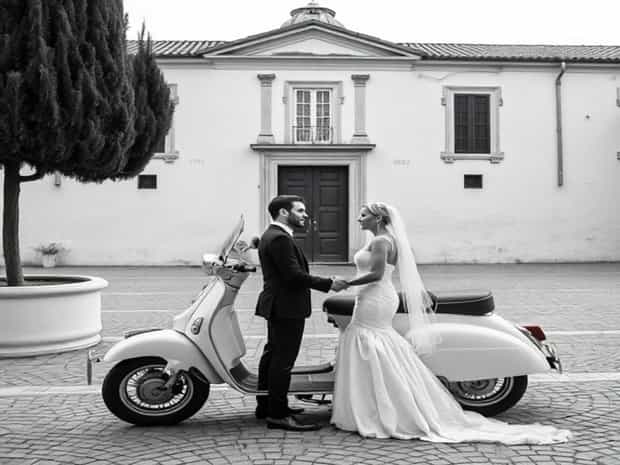
Getting Married In Spain As A Foreigner
Getting married in Spain as a foreigner is a dream for many couples who seek a romantic and picturesque setting for their wedding. Spain offers a range of breathtaking locations, from sun-drenched beaches on the Costa del Sol to historic cathedrals in cities like Seville and Barcelona, as well as charming rural villages in Andalusia. However, planning a wedding in Spain as a foreign national requires careful preparation, understanding local regulations, and completing necessary legal steps. From residency requirements to documentation and ceremony options, knowing the process ensures a smooth and memorable experience. Couples can enjoy not only the beauty of Spain but also the unique cultural elements that make Spanish weddings so special.
Legal Requirements for Foreigners
Foreigners planning to marry in Spain must meet certain legal requirements. The process varies depending on whether the marriage is civil or religious, and whether one or both parties are Spanish citizens or foreign nationals. Understanding the legal framework is essential to avoid delays or complications.
Residency Requirements
Unlike some countries, Spain does not require both parties to be residents, but certain municipalities may request proof of residency or intention to stay. Civil marriages usually require a minimum stay in the region where the ceremony takes place, often between 14 to 21 days.
Age and Consent
- Both parties must be at least 18 years old.
- Parental consent is required if either party is under 18, though in Spain, most legal marriages require full adult age.
Marital Status
Both parties must be legally free to marry. Divorced individuals need to present official documentation proving the dissolution of previous marriages, while widowed individuals must provide a death certificate of the deceased spouse.
Required Documentation
One of the most crucial aspects of getting married in Spain as a foreigner is gathering and submitting the correct documentation. These documents often need to be translated into Spanish and legalized with an apostille.
Commonly Required Documents
- Valid passports or national identity cards for both parties.
- Birth certificates, translated into Spanish and legalized.
- Certificate of No Impediment (Certificado de Capacidad Matrimonial) confirming both parties are free to marry.
- Divorce decrees or death certificates if applicable.
- Proof of residence, if requested by the local civil registry.
Translation and Legalization
All foreign documents must be officially translated into Spanish by a sworn translator (traductor jurado) and legalized with an apostille stamp. This ensures that Spanish authorities recognize the documents as valid for legal purposes.
Choosing the Type of Ceremony
Couples can choose between civil and religious ceremonies, each with its own set of requirements and advantages. Spain offers flexibility, allowing couples to select the ceremony type that best fits their personal beliefs and preferences.
Civil Ceremony
Civil ceremonies are conducted by a registrar at the local civil registry (Registro Civil). These ceremonies are legally binding and do not require religious affiliation.
- Must be scheduled in advance, often with a 30-day notice period.
- Can take place in the registry office or in certain approved outdoor locations.
- Witnesses are required, typically two people for the civil ceremony.
Religious Ceremony
Religious ceremonies, such as Catholic weddings, are conducted in churches or other approved religious venues. While the religious ceremony can be significant, couples should ensure they also complete the civil registration to make the marriage legally recognized in Spain.
- Pre-marital counseling may be required for religious ceremonies.
- Documentation must be submitted to both the church and the civil registry.
- Religious ceremonies often allow for more personalization and cultural traditions.
Selecting the Perfect Location
Spain offers a wide range of stunning locations for weddings, catering to different tastes and budgets. Choosing the right location is an essential step in planning your special day.
Beach Weddings
The coastal regions of Spain, including Costa del Sol, Costa Brava, and the Balearic Islands, are popular for beach weddings. These locations provide breathtaking ocean views and a relaxed atmosphere.
City Weddings
Cities like Madrid, Barcelona, and Seville offer historic venues, elegant hotels, and cultural experiences. Urban weddings are ideal for couples seeking a combination of modern amenities and traditional charm.
Rural and Countryside Weddings
Andalusia and Catalonia offer charming rural estates, vineyards, and rustic fincas. These settings are perfect for couples who prefer intimate ceremonies surrounded by nature.
Hiring Local Vendors
Working with local vendors ensures a smoother wedding planning experience and authentic Spanish touches. Couples should research and book vendors well in advance.
Photography and Videography
Local photographers know the best locations and lighting conditions, ensuring high-quality wedding photos. Some offer drone services for aerial shots of scenic locations.
Catering and Cuisine
Spanish cuisine is diverse and flavorful. Working with local caterers allows couples to incorporate traditional dishes such as paella, tapas, and regional specialties, creating a memorable culinary experience.
Decor and Florists
Local florists and decorators are familiar with seasonal flowers and materials, helping to create elegant and culturally appropriate wedding decorations.
Planning Considerations and Tips
Planning a wedding in Spain as a foreigner requires careful organization and attention to detail. These tips help ensure a smooth process.
- Start the planning process at least six months in advance, especially for peak tourist seasons.
- Consider hiring a wedding planner experienced with foreign couples and Spanish legal requirements.
- Budget for translation and legalization of documents, venue fees, and vendor services.
- Understand local customs and traditions to incorporate meaningful elements into the ceremony.
- Check travel requirements and visas for both the couple and guests if necessary.
Getting married in Spain as a foreigner is an exciting and rewarding experience that combines legal, cultural, and scenic elements. From understanding residency and documentation requirements to choosing the type of ceremony and selecting the perfect location, careful planning is key to a successful wedding. By working with local vendors and adhering to Spanish legal procedures, couples can create a memorable and legally recognized marriage. Whether you dream of a beach wedding, a historic city celebration, or an intimate countryside ceremony, Spain provides endless possibilities for a romantic and unforgettable wedding experience.
This topic is over 1000 words, structured with `
`, `
`, `
`, and `
- ` tags, optimized for SEO with keywords like “getting married in Spain as a foreigner, “Spain wedding requirements, “civil and religious weddings Spain, and “Spain wedding locations.