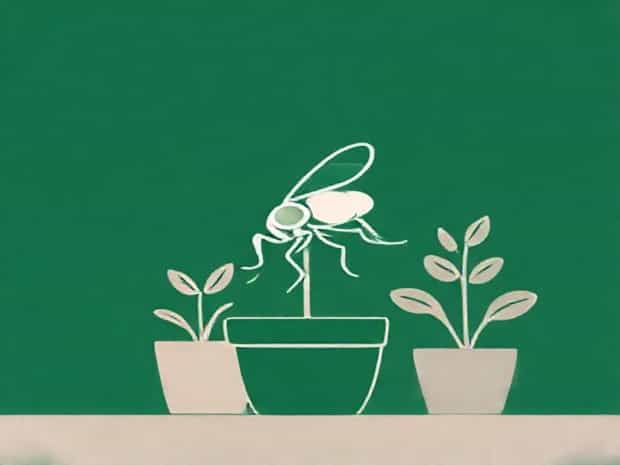
Get Rid Of Greenfly On Houseplants
Greenfly, also known as aphids, are one of the most common pests that affect houseplants, causing damage to leaves, stems, and flowers. These tiny insects feed on plant sap, weakening the plant, distorting growth, and sometimes spreading diseases. For indoor gardeners and plant enthusiasts, dealing with greenfly infestations can be frustrating and challenging. However, with careful observation, consistent care, and the right methods, it is possible to control and eliminate greenfly effectively. Understanding the life cycle of greenfly, identifying early signs of infestation, and applying appropriate treatments can help keep your houseplants healthy and thriving.
Identifying Greenfly on Houseplants
Recognizing the presence of greenfly early is crucial for effective control. Greenfly are small, soft-bodied insects that can appear in shades of green, yellow, black, or even pink. They are usually found in clusters on the underside of leaves, around new growth, or on tender stems. Signs of infestation include distorted or curling leaves, sticky residue on leaves called honeydew, and the presence of sooty mold, which grows on the honeydew secreted by the insects.
Common Houseplants Affected
Greenfly can infest a wide range of houseplants, but some plants are more susceptible than others. Popular indoor plants such as ferns, ficus, hibiscus, orchids, and peace lilies often attract these pests due to their tender new growth. Monitoring these plants regularly for early signs of greenfly can prevent large infestations and make control measures more effective.
Preventative Measures
Prevention is often the most effective strategy for controlling greenfly. By creating an environment that discourages pests and maintaining healthy plants, infestations can be minimized. Start by inspecting new plants before introducing them to your indoor collection. Quarantining new plants for a few days allows you to detect any pests early and avoid spreading them to existing plants.
Maintain Plant Health
Healthy plants are more resistant to pest attacks. Ensure your houseplants receive appropriate light, water, and nutrients. Avoid over-fertilizing with nitrogen-rich fertilizers, as this can encourage soft new growth that attracts greenfly. Regularly pruning dead or weak leaves also improves air circulation and reduces places where pests can hide and reproduce.
Natural Methods to Get Rid of Greenfly
Several natural remedies can be used to control greenfly on houseplants without resorting to harsh chemicals. These methods are safe for indoor use and often effective if applied consistently.
Manual Removal
For small infestations, manually removing greenfly can be a simple and effective approach. Use a damp cloth or a gentle stream of water to wash the insects off leaves and stems. Pinching off heavily infested leaves or buds can also help reduce the pest population. Repeat this process regularly to prevent reinfestation.
Soap and Water Spray
A mild solution of liquid soap and water can be sprayed directly on affected plants. The soap works by breaking down the protective coating of the greenfly, causing them to dehydrate and die. Mix a few drops of gentle liquid soap in a liter of water, spray thoroughly on the underside of leaves, and repeat every few days until the infestation is under control. Avoid using harsh detergents that could damage plant foliage.
Neem Oil Treatment
Neem oil is a natural insecticide derived from the neem tree. It disrupts the growth and reproduction of greenfly while being safe for most houseplants. Mix neem oil with water according to package instructions and spray it on affected areas. Neem oil also has antifungal properties, which can help prevent secondary issues such as sooty mold.
Encourage Beneficial Insects
Although more common in outdoor settings, some indoor gardeners use beneficial insects like ladybugs or lacewings to control greenfly populations. These predators feed on greenfly and can significantly reduce their numbers. If you have a large indoor garden or greenhouse, introducing beneficial insects can be an eco-friendly solution for pest control.
Chemical Control Options
In cases of severe infestations where natural methods are insufficient, selective insecticides may be used. Look for products labeled safe for indoor use on houseplants, and follow all instructions carefully. Systemic insecticides can be applied to the soil, allowing the plant to absorb the active ingredient and kill greenfly feeding on its sap. Always use chemical treatments as a last resort and prioritize less harmful methods first.
Application Tips
- Apply insecticides in a well-ventilated area to avoid exposure to harmful fumes.
- Target the underside of leaves where greenfly tend to cluster.
- Repeat applications as recommended to ensure complete eradication.
- Remove heavily infested plant parts before treatment to improve effectiveness.
Regular Monitoring and Maintenance
After treating your houseplants for greenfly, ongoing monitoring is essential to prevent reinfestation. Inspect plants weekly for early signs of pests and promptly remove any new insects. Keeping your indoor environment clean, maintaining healthy plants, and rotating treatments as needed can help maintain pest-free conditions. Consistency in monitoring and care ensures that greenfly do not become a recurring problem.
Environmental Adjustments
Greenfly thrive in warm, humid environments. Reducing humidity slightly and ensuring good airflow around plants can make conditions less favorable for pests. Avoid overcrowding plants, as tight spaces can create a microenvironment that supports greenfly growth. Environmental adjustments, combined with preventative measures and treatment, form a comprehensive approach to managing greenfly infestations.
Getting rid of greenfly on houseplants requires a combination of early detection, preventative care, and targeted treatments. By identifying infestations promptly, maintaining plant health, and using natural or chemical control methods appropriately, indoor gardeners can protect their houseplants from damage and ensure they remain vibrant and healthy. Manual removal, soap sprays, neem oil, and in some cases, safe insecticides, provide effective ways to eliminate greenfly. Consistent monitoring, environmental adjustments, and attention to plant care are key to long-term pest management. By following these strategies, houseplant owners can enjoy a greenfly-free indoor garden, promoting both aesthetic beauty and the overall wellbeing of their plants.