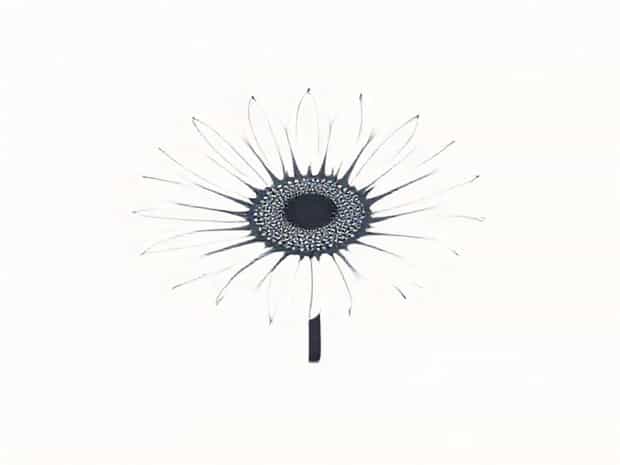
Gerbera Transvaal Daisy Scientific Name
The Gerbera, commonly known as the Transvaal daisy, is one of the most beloved flowers in the world thanks to its vibrant colors and striking appearance. Its scientific name isGerbera jamesonii, and it has long captured the admiration of gardeners, florists, and plant enthusiasts alike. This flowering plant not only adds beauty to gardens and floral arrangements but also holds fascinating botanical and cultural significance. By understanding the Gerbera Transvaal daisy scientific name, its origins, and uses, we gain a deeper appreciation of this remarkable species.
The Scientific Classification of Gerbera Transvaal Daisy
To fully grasp the importance of the Gerbera Transvaal daisy scientific name, it is essential to look at its classification within the plant kingdom. Scientific names allow botanists and horticulturists to distinguish between species accurately and avoid confusion caused by common names, which vary by region.
- KingdomPlantae
- OrderAsterales
- FamilyAsteraceae
- GenusGerbera
- SpeciesGerbera jamesonii
The species name honors Robert Jameson, a Scottish explorer and botanist who documented the plant in South Africa in the late 19th century. This scientific classification places the Gerbera among other daisy-like plants, explaining its characteristic flower shape.
Origins of the Gerbera Jamesonii
The Gerbera Transvaal daisy originates from South Africa, particularly the Transvaal region, which is now part of modern-day Gauteng and surrounding provinces. Its natural habitat includes grasslands and rocky slopes, where the plant thrives in well-drained soil and abundant sunlight. Over time,Gerbera jamesoniiwas introduced to other parts of the world, becoming a staple in ornamental horticulture.
Introduction to Europe and Beyond
After its discovery in the 1880s, the Gerbera was cultivated in Europe and quickly gained popularity due to its bold, colorful blooms. Hybridization programs in the Netherlands, Germany, and other countries expanded its range of colors and sizes, making it one of the most versatile flowers in the floral industry today.
Botanical Features of Gerbera Jamesonii
The Gerbera Transvaal daisy is admired not only for its bright appearance but also for its unique botanical features. Understanding these traits helps explain why the species is so widely cultivated and cherished.
- Flower StructureEach bloom consists of hundreds of small florets arranged in a central disc, surrounded by striking ray florets that resemble petals.
- ColorsGerberas come in a wide spectrum, including red, orange, yellow, pink, white, and even bi-colored varieties.
- LeavesThe plant produces lobed, hairy leaves that grow close to the soil in a rosette formation.
- HeightMost Gerbera plants grow between 10 and 18 inches tall, making them ideal for both gardens and pots.
The Importance of the Scientific Name
Using the scientific nameGerbera jamesoniiensures precision when referring to this plant. Common names like Transvaal daisy or Barberton daisy may vary across regions, but the scientific name eliminates ambiguity. For example, there are many species within the genus Gerbera, and without specifyingjamesonii, one could easily confuse it with other varieties.
Connection to Hybrid Varieties
Modern Gerberas used in floral shops are often hybrids, primarily derived fromGerbera jamesoniiandGerbera viridifolia. These hybrids have been selectively bred for larger blooms, extended vase life, and more diverse colors. The original species, however, remains vital to ongoing horticultural research and breeding programs.
Cultural and Symbolic Significance
Beyond its scientific identity, the Gerbera Transvaal daisy carries deep symbolic meaning across cultures. Its bold and cheerful blooms are associated with happiness, purity, and innocence. In the language of flowers, Gerberas often represent joy and optimism, making them a favorite choice for bouquets and celebrations.
Popular Uses in Floristry
Because of their vibrant hues and long vase life, Gerbera daisies are widely used in
- Wedding bouquets and decorations
- Birthday arrangements
- Corporate events and conferences
- Get-well-soon flower baskets
The association of Gerbera daisies with positivity makes them particularly appealing for gifting and celebration.
Gerbera Jamesonii in Horticulture
Horticulturists valueGerbera jamesoniifor its adaptability and striking visual appeal. The plant grows well in warm climates and can also be cultivated in greenhouses, making it accessible year-round.
Growing Conditions
- SoilWell-drained, sandy loam soil enriched with organic matter.
- SunlightFull sun to partial shade, with at least six hours of light daily.
- WateringModerate watering is required, ensuring soil is kept moist but not waterlogged.
- TemperaturePrefers temperatures between 18°C and 24°C (65°F to 75°F).
By meeting these growing requirements, gardeners can enjoy healthy plants with abundant flowers throughout the blooming season.
Economic Importance of Gerbera Transvaal Daisy
Gerberas are not only admired for their beauty but also hold significant economic value. The cut flower industry relies heavily on Gerbera hybrids, with millions of stems sold worldwide each year. They rank among the top five most popular cut flowers globally, alongside roses, carnations, tulips, and chrysanthemums.
Research and Breeding
Ongoing scientific studies focus on improving the durability, resistance, and color range of Gerbera hybrids. Plant breeders useGerbera jamesoniias a base species in their programs to create stronger and more diverse cultivars. Thus, the scientific name has relevance not just in classification but also in economic and research contexts.
Environmental Role and Benefits
Like other members of the Asteraceae family, Gerberas play a role in supporting pollinators. Bees, butterflies, and other insects are attracted to their florets, aiding pollination. Furthermore, Gerberas have been studied for their ability to absorb toxins from the air, contributing to indoor air purification when grown in pots.
Gerberas as Eco-Friendly Decor
With their ability to brighten homes and improve air quality, Gerberas are both beautiful and practical. This dual role makes them an excellent choice for eco-conscious decorators and plant enthusiasts.
The Gerbera Transvaal daisy, scientifically namedGerbera jamesonii, is far more than just a colorful flower. Its scientific classification places it firmly within the daisy family, its origins connect it to South African landscapes, and its cultivation has made it a global favorite in horticulture and floristry. The significance of its scientific name lies in its precision, its connection to hybrid breeding, and its role in botanical research. Whether appreciated for its joyful symbolism, admired for its botanical beauty, or grown for economic value,Gerbera jamesoniicontinues to stand out as one of the most remarkable flowering plants in the world.