Gerbera Transvaal Daisy Facts
The Gerbera Transvaal Daisy is a vibrant and popular flowering plant that has captured the attention of gardeners and floral enthusiasts worldwide. Known for its bright, cheerful blooms and remarkable resilience, this plant is often used to add color and life to gardens, landscapes, and floral arrangements. Native to South Africa, particularly the Transvaal region, the Gerbera Transvaal Daisy thrives in sunny locations and well-drained soil, making it a versatile and attractive choice for a variety of gardening settings. Its unique structure, vivid hues, and relatively easy care have made it a favorite among both amateur and professional gardeners.
Origin and History
The Gerbera Transvaal Daisy belongs to the Asteraceae family, which includes daisies, sunflowers, and chrysanthemums. It is native to the Transvaal region of South Africa, an area known for its rich biodiversity and variety of unique plant species. The plant was first classified in the late 19th century and has since been cultivated extensively for both ornamental and commercial purposes. Over the years, selective breeding has produced numerous cultivars with a wide range of colors and sizes, enhancing the plant’s appeal for gardening and floral industries worldwide.
Physical Characteristics
Gerbera Transvaal Daisies are herbaceous perennials that exhibit a distinctive daisy-like flower structure. Key characteristics include
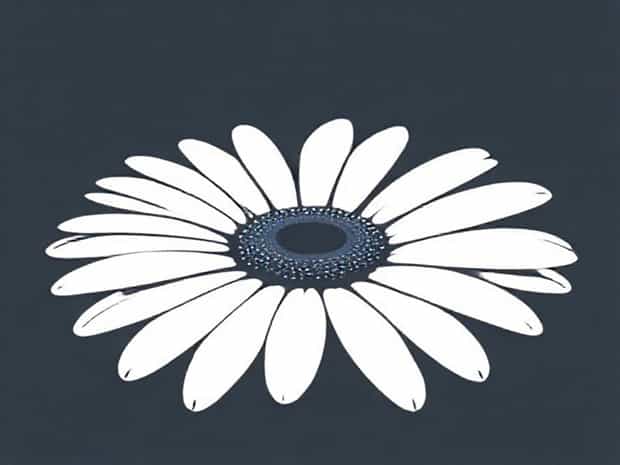
- Flower StructureThe blooms typically feature a central disc surrounded by vibrant ray florets, giving the appearance of a large daisy. The flowers can reach up to 4 inches in diameter, depending on the cultivar.
- Color VarietyThese daisies are available in a wide array of colors, including red, orange, yellow, pink, white, and bi-color varieties. The vivid hues make them a popular choice for decorative planting and cut flower arrangements.
- LeavesThe foliage consists of broad, lobed leaves that grow close to the base of the plant, forming a rosette. The leaves are typically dark green and slightly hairy, which helps reduce water loss.
- StemsThe flowers are borne on sturdy, long stems that elevate the blooms above the foliage, providing a striking display in garden beds and floral arrangements.
Growing Conditions
Gerbera Transvaal Daisies thrive in well-drained soil with a slightly acidic to neutral pH. They prefer full sun exposure but can tolerate partial shade in hot climates. These daisies are relatively drought-tolerant once established, although they benefit from regular watering during prolonged dry periods. For optimal growth, gardeners should consider the following
- Plant in soil that is rich in organic matter to provide essential nutrients.
- Ensure good drainage to prevent root rot, a common issue for Gerberas in waterlogged soil.
- Apply balanced fertilizers periodically to encourage continuous flowering.
- Remove spent blooms regularly to promote new flower production and maintain plant health.
Propagation
Gerbera Transvaal Daisies can be propagated through seeds or division. Seed propagation is commonly used in commercial production, allowing for the development of new cultivars with desired traits. Division, on the other hand, is a practical method for home gardeners looking to expand existing plantings. To propagate via division, carefully separate the plant at the base, ensuring that each division has healthy roots, and replant in prepared soil.
Flowering and Bloom Time
One of the most appealing aspects of the Gerbera Transvaal Daisy is its long blooming period. With proper care, these plants can produce flowers for several months, typically from spring through autumn. The continuous flowering cycle makes them ideal for gardens where prolonged color and visual interest are desired. Additionally, the flowers are often used in bouquets and floral arrangements due to their sturdy stems and long vase life.
Uses and Benefits
Gerbera Transvaal Daisies offer a range of uses and benefits, both ornamental and practical
- Ornamental GardeningThe bright, vibrant flowers add visual appeal to garden beds, borders, and container plantings.
- Cut FlowersTheir long stems and striking colors make them popular choices for bouquets and floral arrangements.
- Indoor DecorationPotted Gerberas can brighten indoor spaces, including homes and offices, providing aesthetic and mood-enhancing benefits.
- Pollinator AttractionThe blooms attract bees, butterflies, and other pollinators, supporting garden biodiversity and ecosystem health.
Care Tips and Maintenance
Proper care is essential for maximizing the health and flowering potential of Gerbera Transvaal Daisies. Key maintenance tips include
- Water at the base of the plant to keep leaves dry and prevent fungal diseases.
- Monitor for pests such as aphids, spider mites, and whiteflies, and treat promptly if infestations occur.
- Provide adequate spacing between plants to improve air circulation and reduce disease risk.
- Mulch around the base to conserve soil moisture and maintain consistent temperatures for the roots.
Interesting Facts
Several interesting facts about the Gerbera Transvaal Daisy highlight its uniqueness
- Gerbera is named after German botanist Traugott Gerber, who contributed to the study of South African flora.
- The Transvaal Daisy is particularly notable for its resilience, thriving in both garden beds and pots with minimal care.
- Its flowers are known to boost mood and are often used in color therapy due to their vibrant hues.
- Gerberas have been used in floral symbolism, representing cheerfulness, purity, and innocence in different cultures.
The Gerbera Transvaal Daisy is a remarkable plant that combines aesthetic beauty, resilience, and versatility. From its origins in South Africa to its widespread cultivation in gardens and floral arrangements worldwide, this daisy continues to captivate gardeners and flower enthusiasts alike. Its vibrant colors, long blooming period, and ease of care make it an ideal choice for adding color and joy to any space. Whether planted in garden beds, grown in containers, or used as cut flowers, the Gerbera Transvaal Daisy remains a symbol of beauty, happiness, and the enduring charm of nature’s floral creations.