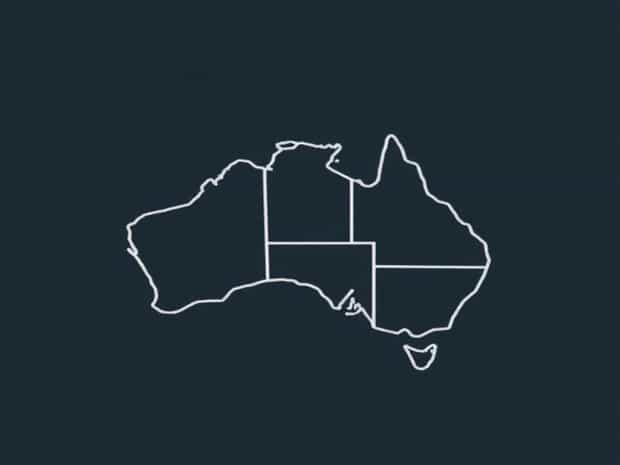
Geographic Remoteness In Australia
Geographic remoteness in Australia is a defining feature that shapes the nation’s population distribution, economy, infrastructure, and social dynamics. Large parts of Australia are sparsely populated due to vast distances, arid climates, and challenging terrain. From the Outback to remote coastal regions, communities in these areas face unique challenges and opportunities linked to isolation. Understanding geographic remoteness is essential for analyzing regional development, access to services, cultural diversity, and environmental management. It also highlights the resilience and adaptability of people living in remote areas, who often develop innovative solutions to overcome challenges related to transportation, healthcare, education, and connectivity.
Definition and Measurement of Remoteness
Geographic remoteness in Australia is measured by the Accessibility/Remoteness Index of Australia (ARIA), which evaluates the distance of populated localities from service centers. Remoteness is categorized into major cities, inner regional, outer regional, remote, and very remote areas. This classification helps policymakers, researchers, and service providers understand the distribution of populations and the degree of isolation experienced by communities. Geographic remoteness is not only a physical measure but also reflects social and economic accessibility, affecting access to education, healthcare, employment, and other essential services.
ARIA Categories
- Major Cities High-density urban centers with extensive access to services and infrastructure.
- Inner Regional Areas relatively close to urban centers with moderate access to facilities.
- Outer Regional Communities located further from urban hubs with limited service access.
- Remote Areas with considerable distance from service centers, requiring self-sufficiency.
- Very Remote Isolated regions where access to essential services is extremely limited.
Impact on Population Distribution
Australia’s population is heavily concentrated along the eastern and southeastern coasts, including cities like Sydney, Melbourne, and Brisbane. In contrast, central and western regions, often categorized as remote or very remote, have low population densities. This uneven distribution is influenced by climatic conditions, availability of water resources, soil fertility, and historical settlement patterns. Geographic remoteness affects migration patterns, as people often move toward urban centers for education, employment, and healthcare, while some Indigenous communities and rural residents remain in remote regions, maintaining traditional lifestyles and local economies.
Population Patterns
- Coastal Concentration Majority of the population resides along the coast due to favorable climate and economic opportunities.
- Outback Sparsity Central deserts and arid zones have very low population densities.
- Indigenous Communities Many remote areas are home to Indigenous populations maintaining traditional practices.
- Migration Trends Movement toward cities impacts the sustainability of remote communities.
Economic Challenges and Opportunities
Geographic remoteness in Australia has significant implications for economic development. Remote regions often rely on primary industries such as mining, agriculture, and tourism. The extraction of natural resources in isolated areas has contributed to national economic growth but presents logistical challenges, including high transportation costs and workforce shortages. Additionally, small businesses in remote communities may struggle due to limited access to markets, infrastructure, and services. However, geographic remoteness also creates opportunities for sustainable tourism, environmental conservation projects, and the development of innovative solutions in transportation, energy, and digital connectivity.
Economic Impacts
- Mining and Resource Extraction Key driver of employment and economic output in remote regions.
- Agriculture Livestock and crop production adapted to arid and semi-arid conditions.
- Tourism Remote landscapes attract visitors interested in natural beauty and Indigenous culture.
- Infrastructure Costs High costs for transportation, energy, and communication in isolated areas.
- Innovation Remote living encourages technological solutions for water supply, renewable energy, and connectivity.
Access to Services
One of the most significant challenges of geographic remoteness in Australia is access to essential services. Healthcare, education, and emergency services are often limited in remote and very remote regions. Residents may need to travel long distances to reach hospitals, schools, or government offices. Telecommunication networks and digital technologies have partially mitigated these issues, allowing telehealth services, online education, and remote administration. Despite these innovations, disparities remain, emphasizing the need for targeted policy interventions and support for remote communities.
Service Accessibility
- Healthcare Remote hospitals and clinics often have limited staff and resources, necessitating travel to urban centers.
- Education Schools may face staffing challenges, leading to multi-age classrooms and reliance on digital learning.
- Emergency Services Fire, police, and medical services may have delayed response times due to distance.
- Digital Connectivity Internet and telecommunications are crucial for overcoming isolation, supporting education, business, and healthcare.
- Government Programs Policies aim to address service disparities through subsidies, outreach programs, and infrastructure investment.
Environmental and Cultural Considerations
Remote areas of Australia are characterized by unique environmental and cultural landscapes. Arid deserts, rugged mountains, and sparse vegetation dominate very remote regions. These landscapes are home to diverse flora and fauna, some of which are found nowhere else in the world. Indigenous communities maintain cultural practices deeply connected to the land, including storytelling, traditional hunting, and land management. Geographic remoteness has helped preserve these ecosystems and cultural practices, but it also necessitates careful management to balance development, conservation, and community needs.
Environmental and Cultural Features
- Unique Ecosystems Deserts, wetlands, and savannas with endemic species.
- Indigenous Heritage Remote communities preserve languages, traditions, and sacred sites.
- Conservation Areas National parks and reserves protect biodiversity and cultural heritage.
- Resource Management Balancing mining, agriculture, and conservation in remote areas.
- Climate Challenges Arid and semi-arid conditions impact water availability and land use.
Infrastructure and Connectivity
Infrastructure development in remote Australia is a significant challenge due to geographic isolation. Roads, railways, and airports are critical for connecting communities, transporting goods, and supporting economic activity. The national highway system links many remote towns, but maintenance and safety remain concerns due to harsh climates and long distances. Advances in digital infrastructure, such as satellite internet and mobile networks, have improved connectivity, enabling remote work, online learning, and e-commerce. Investments in infrastructure are essential for reducing the disadvantages associated with remoteness and supporting regional development.
Infrastructure Highlights
- Transport Networks Highways, railways, and air routes connect remote towns with urban centers.
- Energy Supply Renewable energy projects, such as solar and wind, address energy needs in isolated areas.
- Digital Connectivity Satellite and mobile networks provide essential links for communication and services.
- Water Management Remote areas rely on reservoirs, pipelines, and innovative water technologies.
- Community Development Infrastructure investment supports education, healthcare, and economic resilience.
Geographic remoteness in Australia profoundly influences the nation’s population patterns, economy, access to services, and cultural life. From sparsely populated Outback regions to remote coastal towns, the challenges of isolation are balanced by opportunities for economic development, environmental conservation, and cultural preservation. Understanding the complexities of remoteness is critical for policymakers, businesses, and communities, as it informs strategies for infrastructure development, service delivery, and sustainable regional growth. Geographic remoteness highlights both the resilience of remote communities and the importance of innovative solutions to maintain connectivity, ensure equitable access to services, and protect the unique environmental and cultural heritage of Australia.